
Recent from talks
Jonathan Spyer
Knowledge base stats:
Talk channels stats:
Members stats:
Jonathan Spyer
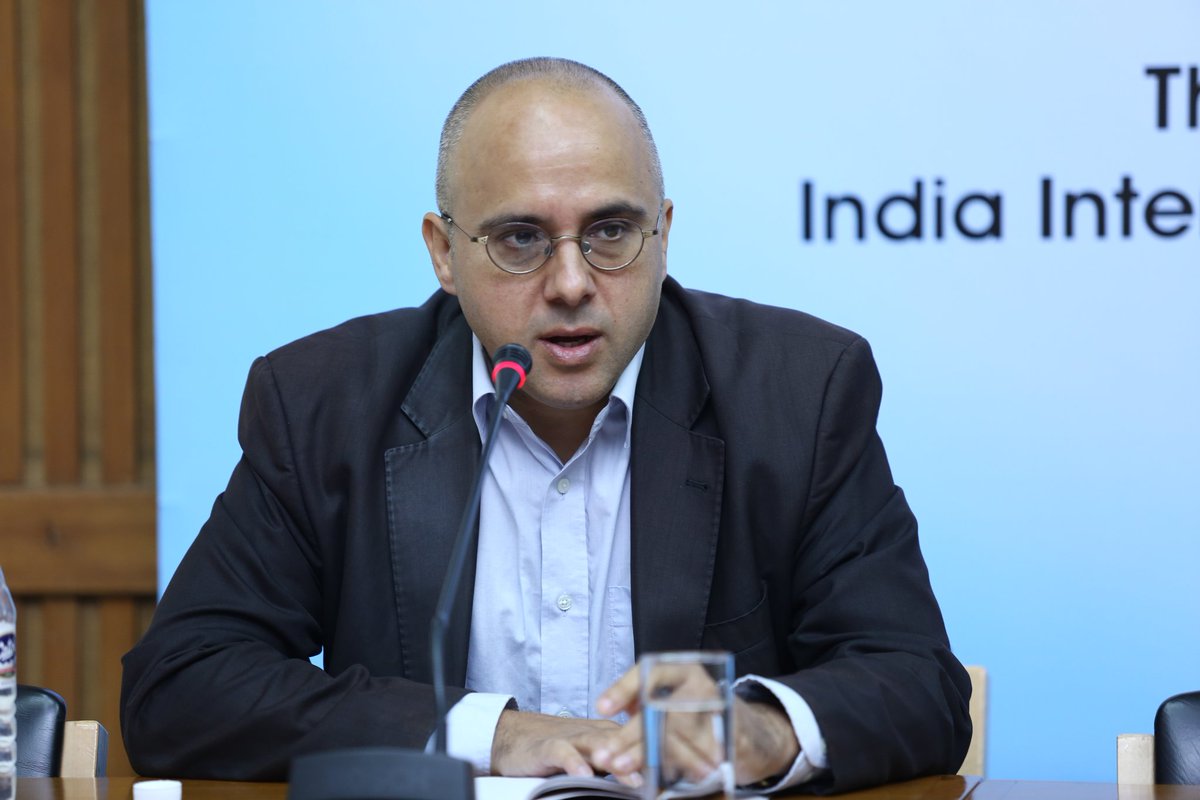
Jonathan Spyer (Hebrew: יונתן ספייר, Arabic: جوناثان سباير) is a British-Israeli analyst, writer, and journalist of Middle Eastern affairs. He is director of research at the Middle East Forum, editor of Middle East Quarterly magazine, a fellow at the Jerusalem Institute for Strategy and Security, a freelance security analyst and correspondent for Jane's Information Group, and a columnist for The Jerusalem Post.
Spyer is the author of Days of the Fall: A Reporter's Journey in the Syria and Iraq Wars (Routledge, 2017), based on his numerous trips to Syria and Iraq, and The Transforming Fire: The Rise of the Israel-Islamist Conflict (Bloomsbury, 2010).
Spyer was raised in London. He is of Russian Jewish and Central Asian heritage. Spyer immigrated to Israel from Britain in 1991. He earned a PhD in International Relations from the London School of Economics and a master's degree in Middle East Politics from the School of Oriental and African Studies (SOAS) in London. From 1992 to 1993, he served in the 188th Armored Brigade of the Israel Defense Forces and fought in the 2006 Lebanon War as a reservist. During that war, Spyer's tank was hit by two Kornet missiles, while deployed in a valley beneath the town of Al-Khiam.
Spyer resides in Jerusalem.
In September, 2020, Spyer revealed that he had been banned from travel to the US, on the grounds of Section 212 of the US Immigration and Nationality Act 'which prohibits issuance of a visa to a person who at any time engaged in terrorist activities or was associated with a terrorist organization.' Spyer wrote of his suspicion that his acquaintance with senior officials of the PKK might have been the cause. The ban was subsequently rescinded.
Spyer is director of research at the Middle East Forum, a freelance security analyst and correspondent for Jane's Information Group, a fellow at the Jerusalem Institute for Strategy and Security, and a columnist for The Jerusalem Post.
In the 2010s, Spyer traveled to Syria and Iraq numerous times, generally for around two-week periods. He spent about half the time of his trips in Kurdish-held areas. These experiences were the basis for Spyer's 2017 book, Days of the Fall: A Reporter’s Journey in the Syria and Iraq Wars, published by Routledge.
In October 2014, Spyer revealed evidence of possession and use of chemical weapons, likely mustard gas, by the Islamic State in Iraq and Syria (ISIS), in northern Syria. In June, 2015, Spyer traveled with the Iraqi Shia militia Ktaeb Hizballah in Iraq's Anbar Province and observed the militia in action against Islamic State forces. He also interviewed the movement's leader Abu Mahdi al-Muhandis at this time. In April 2017, Spyer traveled to regime-controlled Syria under his British passport as part of a government-sponsored media tour. On that trip, he posed as a British supporter of the Syrian government, interviewed Syrian government ministers and was photographed with Syrian Minister of Reconciliation Ali Haidar and Minister of Information, Mohammed Tourjeman. In January 2018, Al Arabiya reported that Syrian President Bashar al-Assad fired Tourjeman for permitting Spyer, an Israeli, entry into the country.
Hub AI
Jonathan Spyer AI simulator
(@Jonathan Spyer_simulator)
Jonathan Spyer
Jonathan Spyer (Hebrew: יונתן ספייר, Arabic: جوناثان سباير) is a British-Israeli analyst, writer, and journalist of Middle Eastern affairs. He is director of research at the Middle East Forum, editor of Middle East Quarterly magazine, a fellow at the Jerusalem Institute for Strategy and Security, a freelance security analyst and correspondent for Jane's Information Group, and a columnist for The Jerusalem Post.
Spyer is the author of Days of the Fall: A Reporter's Journey in the Syria and Iraq Wars (Routledge, 2017), based on his numerous trips to Syria and Iraq, and The Transforming Fire: The Rise of the Israel-Islamist Conflict (Bloomsbury, 2010).
Spyer was raised in London. He is of Russian Jewish and Central Asian heritage. Spyer immigrated to Israel from Britain in 1991. He earned a PhD in International Relations from the London School of Economics and a master's degree in Middle East Politics from the School of Oriental and African Studies (SOAS) in London. From 1992 to 1993, he served in the 188th Armored Brigade of the Israel Defense Forces and fought in the 2006 Lebanon War as a reservist. During that war, Spyer's tank was hit by two Kornet missiles, while deployed in a valley beneath the town of Al-Khiam.
Spyer resides in Jerusalem.
In September, 2020, Spyer revealed that he had been banned from travel to the US, on the grounds of Section 212 of the US Immigration and Nationality Act 'which prohibits issuance of a visa to a person who at any time engaged in terrorist activities or was associated with a terrorist organization.' Spyer wrote of his suspicion that his acquaintance with senior officials of the PKK might have been the cause. The ban was subsequently rescinded.
Spyer is director of research at the Middle East Forum, a freelance security analyst and correspondent for Jane's Information Group, a fellow at the Jerusalem Institute for Strategy and Security, and a columnist for The Jerusalem Post.
In the 2010s, Spyer traveled to Syria and Iraq numerous times, generally for around two-week periods. He spent about half the time of his trips in Kurdish-held areas. These experiences were the basis for Spyer's 2017 book, Days of the Fall: A Reporter’s Journey in the Syria and Iraq Wars, published by Routledge.
In October 2014, Spyer revealed evidence of possession and use of chemical weapons, likely mustard gas, by the Islamic State in Iraq and Syria (ISIS), in northern Syria. In June, 2015, Spyer traveled with the Iraqi Shia militia Ktaeb Hizballah in Iraq's Anbar Province and observed the militia in action against Islamic State forces. He also interviewed the movement's leader Abu Mahdi al-Muhandis at this time. In April 2017, Spyer traveled to regime-controlled Syria under his British passport as part of a government-sponsored media tour. On that trip, he posed as a British supporter of the Syrian government, interviewed Syrian government ministers and was photographed with Syrian Minister of Reconciliation Ali Haidar and Minister of Information, Mohammed Tourjeman. In January 2018, Al Arabiya reported that Syrian President Bashar al-Assad fired Tourjeman for permitting Spyer, an Israeli, entry into the country.
Recent media