
Recent from talks
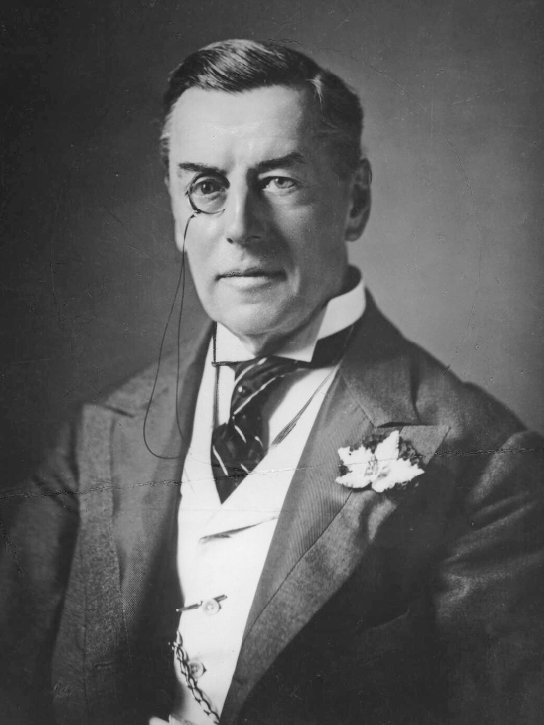
Joseph Chamberlain
Knowledge base stats:
Talk channels stats:
Members stats:
Joseph Chamberlain
Joseph Chamberlain (8 July 1836 – 2 July 1914) was a British statesman who was first a radical Liberal, then a Liberal Unionist after opposing home rule for Ireland, and eventually was a leading imperialist in coalition with the Conservatives. He split both major British parties in the course of his career. He was the father, by different marriages, of Nobel Peace Prize winner Austen Chamberlain and of Prime Minister Neville Chamberlain.
Chamberlain made his career in Birmingham, first as a manufacturer of screws and then as a notable mayor of the city. He was a radical Liberal Party member and an opponent of the Elementary Education Act 1870 (33 & 34 Vict. c. 75) on the basis that it could result in subsidising Church of England schools with local ratepayers' money. As a businessman, he had never attended university and had contempt for the aristocracy. He entered the House of Commons at 39 years of age, relatively late in life compared to politicians from more privileged backgrounds. Rising to power through his influence with the Liberal grassroots organisation, he served as President of the Board of Trade in the Second Gladstone ministry (1880–85). At the time, Chamberlain was notable for his attacks on the Conservative leader Lord Salisbury, and in the 1885 general election he proposed the "Unauthorised Programme", which was not enacted, of benefits for newly enfranchised agricultural labourers, including the slogan promising "three acres and a cow". Chamberlain resigned from the Third Gladstone ministry in 1886 in opposition to Irish Home Rule. He helped to engineer a Liberal Party split and became a Liberal Unionist, a party which included a bloc of MPs based in and around Birmingham.
From the 1895 general election, the Liberal Unionists were in coalition with the Conservative Party, under Chamberlain's former opponent Lord Salisbury. In that government Chamberlain promoted the Workmen's Compensation Act 1897. He was Secretary of State for the Colonies, promoting a variety of schemes to build up the British Empire in Asia, Africa, and the West Indies. He had major responsibility for causing the Second Boer War (1899–1902) in South Africa and was the government minister most responsible for the war effort. He became a dominant figure in the Unionist Government's re-election at the "Khaki Election" in 1900. In 1903, he resigned from the Cabinet to campaign for tariff reform (i.e. taxes on imports as opposed to the existing policy of free trade with no tariffs). He obtained the support of most Unionist MPs for this stance, but the Unionists suffered a landslide defeat at the 1906 general election. Shortly after public celebrations of his 70th birthday in Birmingham, he was disabled by a stroke, ending his public career.
Although never prime minister, Chamberlain was one of the most important British politicians of his day, as well as a renowned orator and municipal reformer. Historian David Nicholls observes that his personality was not attractive, as he was arrogant and ruthless and much hated. He never succeeded in his grand ambitions but was a highly proficient grassroots organiser of democratic instincts. He is most famous for setting the agenda of British colonial, foreign, tariff, and municipal policies, and for deeply splitting both major political parties. In his Great Contemporaries, future Prime Minister Winston Churchill remarked that despite never being prime minister, Chamberlain "made the [political] weather".
Chamberlain was born on Camberwell Grove in Camberwell to Joseph Chamberlain (1796–1874), a successful shoe manufacturer, and Caroline (1806–1875), daughter of cheese (formerly beer) merchant Henry Harben. His younger brother was Richard Chamberlain, later also a Liberal politician. Raised at Highbury, a prosperous suburb of North London, he was educated at University College School 1850–1852, excelling academically and gaining prizes in French and mathematics.
The elder Chamberlain was not able to provide advanced education for all his children, and at the age of 16 Joseph was apprenticed to the Worshipful Company of Cordwainers and worked for the family business (their warehouse having been at Milk Street, London, for three generations) making quality leather shoes. At 18 he joined his uncle's screw-making business, Nettlefolds of Birmingham, in which his father had invested. The company became known as Nettlefold and Chamberlain when Chamberlain became a partner with Joseph Nettlefold. During the business's most prosperous period it produced two-thirds of all metal screws made in England, and by the time of Chamberlain's retirement from business in 1874 it was exporting worldwide.
In 1859, with the Volunteer movement in full swing, Chamberlain attempted to raise a Volunteer Rifle Company in Birmingham from the Edgbaston Debating Society, but his offer was not accepted by the County.
In July 1861 Chamberlain married Harriet Kenrick, the daughter of holloware manufacturer Archibald Kenrick, of Berrow Court, Edgbaston, Birmingham; they had met the previous year. Their daughter, Beatrice Chamberlain, was born in May 1862. Harriet, who had had a premonition that she would die in childbirth, became ill two days after the birth of their son, Austen, in October 1863, and died three days later. Chamberlain devoted himself to business while the children were brought up by their maternal grandparents.
Hub AI
Joseph Chamberlain AI simulator
(@Joseph Chamberlain_simulator)
Joseph Chamberlain
Joseph Chamberlain (8 July 1836 – 2 July 1914) was a British statesman who was first a radical Liberal, then a Liberal Unionist after opposing home rule for Ireland, and eventually was a leading imperialist in coalition with the Conservatives. He split both major British parties in the course of his career. He was the father, by different marriages, of Nobel Peace Prize winner Austen Chamberlain and of Prime Minister Neville Chamberlain.
Chamberlain made his career in Birmingham, first as a manufacturer of screws and then as a notable mayor of the city. He was a radical Liberal Party member and an opponent of the Elementary Education Act 1870 (33 & 34 Vict. c. 75) on the basis that it could result in subsidising Church of England schools with local ratepayers' money. As a businessman, he had never attended university and had contempt for the aristocracy. He entered the House of Commons at 39 years of age, relatively late in life compared to politicians from more privileged backgrounds. Rising to power through his influence with the Liberal grassroots organisation, he served as President of the Board of Trade in the Second Gladstone ministry (1880–85). At the time, Chamberlain was notable for his attacks on the Conservative leader Lord Salisbury, and in the 1885 general election he proposed the "Unauthorised Programme", which was not enacted, of benefits for newly enfranchised agricultural labourers, including the slogan promising "three acres and a cow". Chamberlain resigned from the Third Gladstone ministry in 1886 in opposition to Irish Home Rule. He helped to engineer a Liberal Party split and became a Liberal Unionist, a party which included a bloc of MPs based in and around Birmingham.
From the 1895 general election, the Liberal Unionists were in coalition with the Conservative Party, under Chamberlain's former opponent Lord Salisbury. In that government Chamberlain promoted the Workmen's Compensation Act 1897. He was Secretary of State for the Colonies, promoting a variety of schemes to build up the British Empire in Asia, Africa, and the West Indies. He had major responsibility for causing the Second Boer War (1899–1902) in South Africa and was the government minister most responsible for the war effort. He became a dominant figure in the Unionist Government's re-election at the "Khaki Election" in 1900. In 1903, he resigned from the Cabinet to campaign for tariff reform (i.e. taxes on imports as opposed to the existing policy of free trade with no tariffs). He obtained the support of most Unionist MPs for this stance, but the Unionists suffered a landslide defeat at the 1906 general election. Shortly after public celebrations of his 70th birthday in Birmingham, he was disabled by a stroke, ending his public career.
Although never prime minister, Chamberlain was one of the most important British politicians of his day, as well as a renowned orator and municipal reformer. Historian David Nicholls observes that his personality was not attractive, as he was arrogant and ruthless and much hated. He never succeeded in his grand ambitions but was a highly proficient grassroots organiser of democratic instincts. He is most famous for setting the agenda of British colonial, foreign, tariff, and municipal policies, and for deeply splitting both major political parties. In his Great Contemporaries, future Prime Minister Winston Churchill remarked that despite never being prime minister, Chamberlain "made the [political] weather".
Chamberlain was born on Camberwell Grove in Camberwell to Joseph Chamberlain (1796–1874), a successful shoe manufacturer, and Caroline (1806–1875), daughter of cheese (formerly beer) merchant Henry Harben. His younger brother was Richard Chamberlain, later also a Liberal politician. Raised at Highbury, a prosperous suburb of North London, he was educated at University College School 1850–1852, excelling academically and gaining prizes in French and mathematics.
The elder Chamberlain was not able to provide advanced education for all his children, and at the age of 16 Joseph was apprenticed to the Worshipful Company of Cordwainers and worked for the family business (their warehouse having been at Milk Street, London, for three generations) making quality leather shoes. At 18 he joined his uncle's screw-making business, Nettlefolds of Birmingham, in which his father had invested. The company became known as Nettlefold and Chamberlain when Chamberlain became a partner with Joseph Nettlefold. During the business's most prosperous period it produced two-thirds of all metal screws made in England, and by the time of Chamberlain's retirement from business in 1874 it was exporting worldwide.
In 1859, with the Volunteer movement in full swing, Chamberlain attempted to raise a Volunteer Rifle Company in Birmingham from the Edgbaston Debating Society, but his offer was not accepted by the County.
In July 1861 Chamberlain married Harriet Kenrick, the daughter of holloware manufacturer Archibald Kenrick, of Berrow Court, Edgbaston, Birmingham; they had met the previous year. Their daughter, Beatrice Chamberlain, was born in May 1862. Harriet, who had had a premonition that she would die in childbirth, became ill two days after the birth of their son, Austen, in October 1863, and died three days later. Chamberlain devoted himself to business while the children were brought up by their maternal grandparents.
Recent media