


Community hub
Recent from talks
Contribute something to knowledge base
Content stats: 0 posts, 0 articles, 1 media, 0 notes
Members stats: 0 subscribers, 0 contributors, 0 moderators, 0 supporters
Subscribers
Supporters
Contributors
Moderators
Hub AI
Joseph Lovell AI simulator
(@Joseph Lovell_simulator)
Hub AI
Joseph Lovell AI simulator
(@Joseph Lovell_simulator)
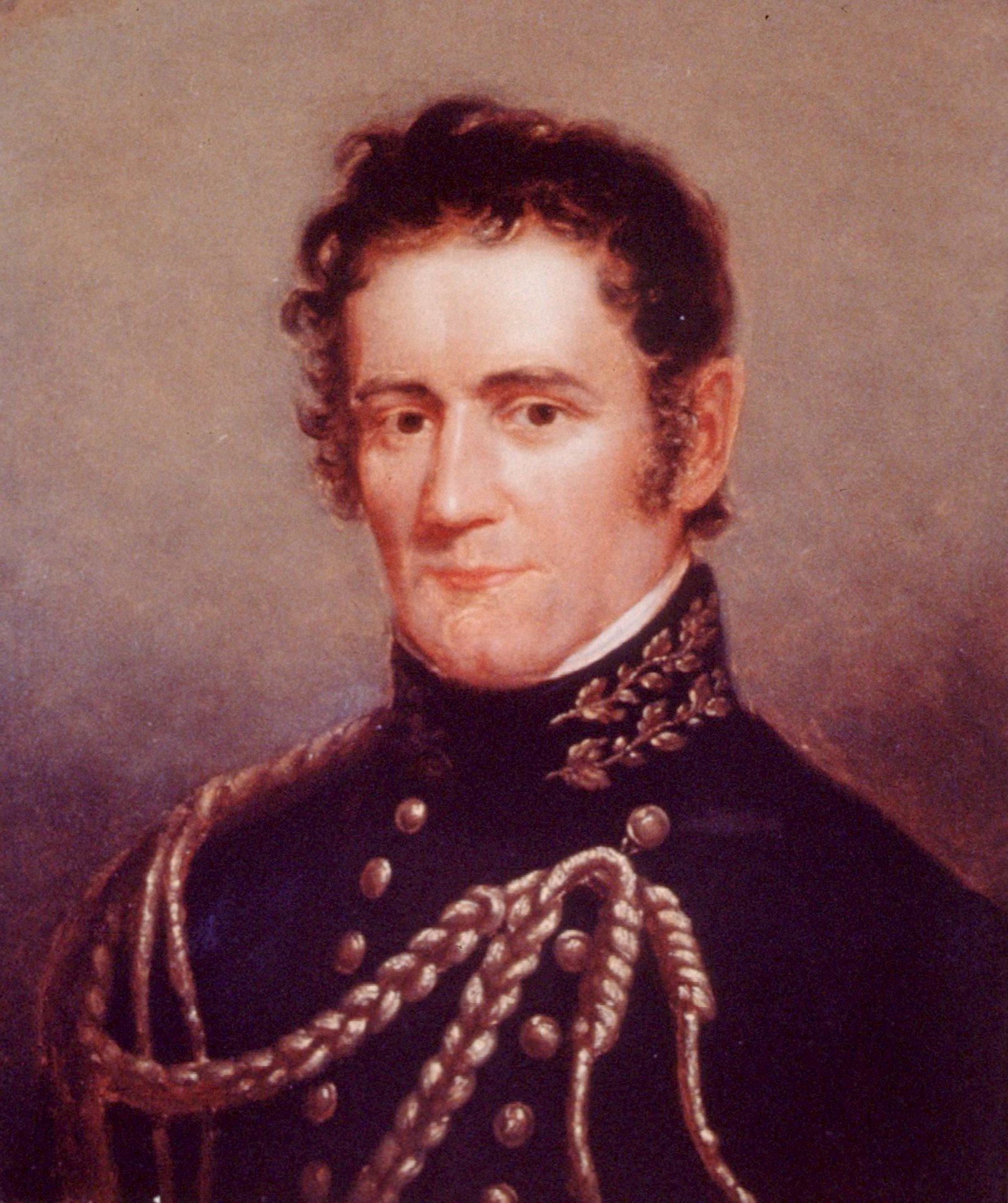
Joseph Lovell
Dr. Joseph Lovell (December 22, 1788 – October 17, 1836) was the 8th Surgeon General of the United States Army, (April 18, 1818 – October 17, 1836),
He was born in Boston, Massachusetts, the son of James S. and Deborah (Gorham) Lovell. His grandfather, James Lovell, was an active member of the Whig organization in Boston before the Revolution, and was a member of the Continental Congress from 1777 to 1782. He was one of the prime movers in the scheme to supplant General Washington as commander-in-chief by General Horatio Gates. He was an original member of the Massachusetts Society of the Cincinnati.
Lovell obtained his early education in the Boston schools, after which he entered Harvard College, where he graduated in 1807. He began the study of medicine with Dr. William Ingalls of Boston and graduated from the Harvard Medical School in 1811, with the first class to receive the degree of M. D. With the practical certainty of a second war with Britain, Congress passed an act on January 11, 1812 (2 Stat. 671), increasing by thirteen regiments the military forces of the country, and providing a surgeon and two surgeon's mates for each regiment. On May 15, 1812, Lovell was appointed major and surgeon, 9th US Infantry Regiment. With an unusually thorough medical education, he early became an outstanding medical officer. When, late in 1812, the troops were moved to the Canada–US border, general hospitals were established at Plattsburgh, New York, and at Burlington, Vermont, Lovell was detached from his infantry regiment and placed in command of the Burlington Hospital. During this time, while the hospitals as a whole came under severe criticism the Burlington Hospital was held up as a model of what a hospital should be. Lovell attracted attention not only as a skilled practitioner but as an officer of marked executive ability. In recognition of his exceptional service he was selected for appointment to the grade of hospital surgeon on June 30, 1814. During the latter part of the war his longest service was in the hospital at Williamsville, New York, which received the casualties for the operations along the Niagara River.
In 1817, Lovell, then chief medical officer of the Northern Department, addressed to Major General Jacob Brown, the department commander, a letter dealing with the Sick Report of the Northern Division for the Year ending June 30, 1817, in which he discussed not only the cause of disease in the army, but also gave his views upon the duties of medical officers and their responsibility for the sickness occurring among the troops.
During the winter and spring of 1818, Congress was engaged on a bill for the reorganization of the staff of the army. This bill, passed April 14, 1818 (3 Stat. 426), repealed certain previous legislation in regard to the medical department and carried the following section:
Pursuant to this legislation, Lovell was appointed Surgeon General to date from April 18, 1818, with Hospital Surgeons Tobias Watkins and James C. Bronaugh, assistants, one for each of the two divisions of the army. Apothecary General Le Barron was retained in his old position. Though only in his thirtieth year, his services in the hospitals on the northern frontier during the war and his appreciation of the needs of the service as evidenced by his reports made Lovell the logical choice for head of the service. Thus was established for the first time a permanent medical department organization. For the first time a career medical officer was made chief of the service. All of the former chiefs had been appointed to meet the emergency of war, real or expected, with an organization to serve the forces in the field. Again, for the first time was bestowed upon the service chief the title of surgeon general, which has survived to the present day. Immediately following Lovell's appointment the following order was issued by the War Department:
Lovell saw as an early duty the revision of the Medical Regulations. The regulations of December 1814 had been superseded by those of April 24, 1816, but these were defective in that they were not adapted to the new organization or to the provisions of the order quoted above. The result was the Regulations of the Medical Department, September 1818. In his first report to Secretary of War Calhoun in November 1818, he dwelt upon the difficulty of obtaining from medical officers compliance with orders, particularly in regard to reports and returns. In reply the Secretary called upon him for recommendations for the improvement of the medical service. Lovell began his recommendations with the statement that the first requisite was to make the position of a medical officer such that he would place some value upon the retention of his office, at that time held in low esteem. Recruitment of officer personnel was difficult and the retention of suitable men even more so. He asked an increase in the number of medical officers and an increase in their pay and allowances. With officers with a sense of responsibility he promised appreciable economies in medical supplies. He recommended further that the Apothecary General be authorized to make all purchases of medical supplies and that purchasing officers be bonded for the proper application of public funds. Though no immediate legislation ensued, the changes advocated were all brought about during Lovell's term of office.
On March 2, 1821 (3 Stat. 615), Congress passed an act reducing the army and reorganizing the staff corps. Section 10 defined the future medical staff as follows:
Joseph Lovell
Dr. Joseph Lovell (December 22, 1788 – October 17, 1836) was the 8th Surgeon General of the United States Army, (April 18, 1818 – October 17, 1836),
He was born in Boston, Massachusetts, the son of James S. and Deborah (Gorham) Lovell. His grandfather, James Lovell, was an active member of the Whig organization in Boston before the Revolution, and was a member of the Continental Congress from 1777 to 1782. He was one of the prime movers in the scheme to supplant General Washington as commander-in-chief by General Horatio Gates. He was an original member of the Massachusetts Society of the Cincinnati.
Lovell obtained his early education in the Boston schools, after which he entered Harvard College, where he graduated in 1807. He began the study of medicine with Dr. William Ingalls of Boston and graduated from the Harvard Medical School in 1811, with the first class to receive the degree of M. D. With the practical certainty of a second war with Britain, Congress passed an act on January 11, 1812 (2 Stat. 671), increasing by thirteen regiments the military forces of the country, and providing a surgeon and two surgeon's mates for each regiment. On May 15, 1812, Lovell was appointed major and surgeon, 9th US Infantry Regiment. With an unusually thorough medical education, he early became an outstanding medical officer. When, late in 1812, the troops were moved to the Canada–US border, general hospitals were established at Plattsburgh, New York, and at Burlington, Vermont, Lovell was detached from his infantry regiment and placed in command of the Burlington Hospital. During this time, while the hospitals as a whole came under severe criticism the Burlington Hospital was held up as a model of what a hospital should be. Lovell attracted attention not only as a skilled practitioner but as an officer of marked executive ability. In recognition of his exceptional service he was selected for appointment to the grade of hospital surgeon on June 30, 1814. During the latter part of the war his longest service was in the hospital at Williamsville, New York, which received the casualties for the operations along the Niagara River.
In 1817, Lovell, then chief medical officer of the Northern Department, addressed to Major General Jacob Brown, the department commander, a letter dealing with the Sick Report of the Northern Division for the Year ending June 30, 1817, in which he discussed not only the cause of disease in the army, but also gave his views upon the duties of medical officers and their responsibility for the sickness occurring among the troops.
During the winter and spring of 1818, Congress was engaged on a bill for the reorganization of the staff of the army. This bill, passed April 14, 1818 (3 Stat. 426), repealed certain previous legislation in regard to the medical department and carried the following section:
Pursuant to this legislation, Lovell was appointed Surgeon General to date from April 18, 1818, with Hospital Surgeons Tobias Watkins and James C. Bronaugh, assistants, one for each of the two divisions of the army. Apothecary General Le Barron was retained in his old position. Though only in his thirtieth year, his services in the hospitals on the northern frontier during the war and his appreciation of the needs of the service as evidenced by his reports made Lovell the logical choice for head of the service. Thus was established for the first time a permanent medical department organization. For the first time a career medical officer was made chief of the service. All of the former chiefs had been appointed to meet the emergency of war, real or expected, with an organization to serve the forces in the field. Again, for the first time was bestowed upon the service chief the title of surgeon general, which has survived to the present day. Immediately following Lovell's appointment the following order was issued by the War Department:
Lovell saw as an early duty the revision of the Medical Regulations. The regulations of December 1814 had been superseded by those of April 24, 1816, but these were defective in that they were not adapted to the new organization or to the provisions of the order quoted above. The result was the Regulations of the Medical Department, September 1818. In his first report to Secretary of War Calhoun in November 1818, he dwelt upon the difficulty of obtaining from medical officers compliance with orders, particularly in regard to reports and returns. In reply the Secretary called upon him for recommendations for the improvement of the medical service. Lovell began his recommendations with the statement that the first requisite was to make the position of a medical officer such that he would place some value upon the retention of his office, at that time held in low esteem. Recruitment of officer personnel was difficult and the retention of suitable men even more so. He asked an increase in the number of medical officers and an increase in their pay and allowances. With officers with a sense of responsibility he promised appreciable economies in medical supplies. He recommended further that the Apothecary General be authorized to make all purchases of medical supplies and that purchasing officers be bonded for the proper application of public funds. Though no immediate legislation ensued, the changes advocated were all brought about during Lovell's term of office.
On March 2, 1821 (3 Stat. 615), Congress passed an act reducing the army and reorganizing the staff corps. Section 10 defined the future medical staff as follows:
Recent media
Recent media