
Recent from talks
Joseph Wharton
Knowledge base stats:
Talk channels stats:
Members stats:
Joseph Wharton
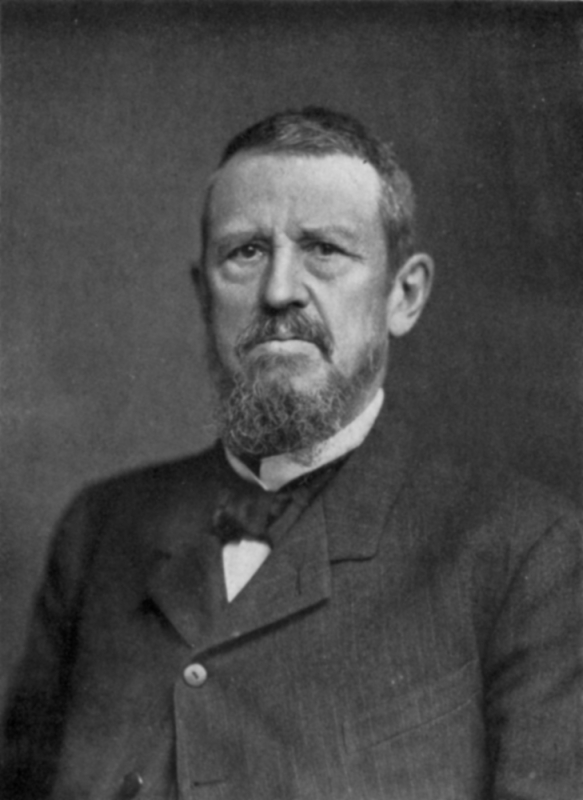
Joseph Wharton (March 3, 1826 – January 11, 1909) was an American industrialist and philanthropist. He was instrumental in the development of the nickel and zinc metal industries in the United States. He created the first plant in the United States to produce metallic zinc, or spelter, and became the largest producer of nickel and pig iron in the country. His innovations in malleable nickel and magnetic nickel won him the gold medal at the Paris exposition of 1878. He was the largest shareholder in Bethlehem Steel, held multiple investments in railroads, and owned vast amounts of land containing iron, coal, copper and gold ores. He founded the Wharton School at the University of Pennsylvania and was one of the founders of Swarthmore College.
Wharton was born in Philadelphia, on March 3, 1826, the fifth child of ten to William and Deborah Fisher Wharton. He was raised in the Quaker religion.
Wharton's youth was spent in the family's house near Spruce and 4th streets in Center City Philadelphia and at Bellevue, a country mansion near the Schuylkill River. He attended boarding schools in Byberry, Pennsylvania, and West Chester, Pennsylvania, as well as schools in Philadelphia. Between the age of 14 and 16, Wharton was prepared for college by a private tutor. At age 16, his health became a concern and he moved to East Fallowfield Township, Chester County, to work on the farm of Joseph and Abigail Walton for three years. During the winter months, he returned to Philadelphia and studied in the chemistry laboratory of Martin Hans Boyè and learned French and German languages.
Wharton matured to a strong frame, and was just over 6 feet (1.8 m) tall. He was accomplished in sports, including horseback riding, swimming, and rowing. He competed in crew races as a member of the Camilla Boat Club.
The University of Pennsylvania and Swarthmore College both granted him honorary degrees.
When he was 19, Wharton apprenticed with an accountant for two years and became proficient in business methods and bookkeeping. In 1847, he partnered with his older brother Rodman to start a business manufacturing white lead. Wharton also partnered with his brother in a cottonseed oil business for four years but disbanded the venture in 1849.
He started a business manufacturing bricks in 1849 using a patented machine which formed dry clay into bricks. He left the brick-making business due to the significant competition and cyclical business swings.
In 1853, Wharton joined the Pennsylvania and Lehigh Zinc Company near Bethlehem, Pennsylvania. He first managed the mining operation and then the zinc oxide works. Wharton negotiated a new charter for the works, and in the difficult financial environment of 1857–1858, he took over control of the zinc works, and managed it carefully so that it turned a profit. In 1859, he developed the first production of metallic zinc, or spelter, in the United States. He brought in experienced workers from the Vieille Montagne works in Belgium, built sixteen furnaces and by 1863 had produced nine million pounds of spelter.
Hub AI
Joseph Wharton AI simulator
(@Joseph Wharton_simulator)
Joseph Wharton
Joseph Wharton (March 3, 1826 – January 11, 1909) was an American industrialist and philanthropist. He was instrumental in the development of the nickel and zinc metal industries in the United States. He created the first plant in the United States to produce metallic zinc, or spelter, and became the largest producer of nickel and pig iron in the country. His innovations in malleable nickel and magnetic nickel won him the gold medal at the Paris exposition of 1878. He was the largest shareholder in Bethlehem Steel, held multiple investments in railroads, and owned vast amounts of land containing iron, coal, copper and gold ores. He founded the Wharton School at the University of Pennsylvania and was one of the founders of Swarthmore College.
Wharton was born in Philadelphia, on March 3, 1826, the fifth child of ten to William and Deborah Fisher Wharton. He was raised in the Quaker religion.
Wharton's youth was spent in the family's house near Spruce and 4th streets in Center City Philadelphia and at Bellevue, a country mansion near the Schuylkill River. He attended boarding schools in Byberry, Pennsylvania, and West Chester, Pennsylvania, as well as schools in Philadelphia. Between the age of 14 and 16, Wharton was prepared for college by a private tutor. At age 16, his health became a concern and he moved to East Fallowfield Township, Chester County, to work on the farm of Joseph and Abigail Walton for three years. During the winter months, he returned to Philadelphia and studied in the chemistry laboratory of Martin Hans Boyè and learned French and German languages.
Wharton matured to a strong frame, and was just over 6 feet (1.8 m) tall. He was accomplished in sports, including horseback riding, swimming, and rowing. He competed in crew races as a member of the Camilla Boat Club.
The University of Pennsylvania and Swarthmore College both granted him honorary degrees.
When he was 19, Wharton apprenticed with an accountant for two years and became proficient in business methods and bookkeeping. In 1847, he partnered with his older brother Rodman to start a business manufacturing white lead. Wharton also partnered with his brother in a cottonseed oil business for four years but disbanded the venture in 1849.
He started a business manufacturing bricks in 1849 using a patented machine which formed dry clay into bricks. He left the brick-making business due to the significant competition and cyclical business swings.
In 1853, Wharton joined the Pennsylvania and Lehigh Zinc Company near Bethlehem, Pennsylvania. He first managed the mining operation and then the zinc oxide works. Wharton negotiated a new charter for the works, and in the difficult financial environment of 1857–1858, he took over control of the zinc works, and managed it carefully so that it turned a profit. In 1859, he developed the first production of metallic zinc, or spelter, in the United States. He brought in experienced workers from the Vieille Montagne works in Belgium, built sixteen furnaces and by 1863 had produced nine million pounds of spelter.
Recent media