



Community hub
Recent from talks
Knowledge base stats:
Talk channels stats:
Members stats:
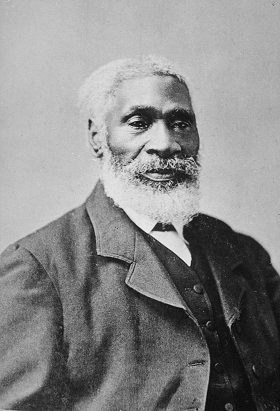
Josiah Henson
Josiah Henson (June 15, 1789 – May 5, 1883) was an author, abolitionist, and minister. Born into slavery, in Port Tobacco, Charles County, Maryland, he escaped to Upper Canada (now Ontario) in 1830, and founded a settlement and laborer's school for other fugitive slaves at Dawn, near Dresden, in Kent County, Upper Canada, of Ontario. Henson's autobiography, The Life of Josiah Henson, Formerly a Slave, Now an Inhabitant of Canada, as Narrated by Himself (1849), is believed to have inspired the title character of Harriet Beecher Stowe's 1852 novel Uncle Tom's Cabin (1852). Following the success of Stowe's novel, Henson issued an expanded version of his memoir in 1858, Truth Stranger Than Fiction. Father Henson's Story of His Own Life (published Boston: John P. Jewett & Company, 1858). Interest in his life continued, and nearly two decades later, his life story was updated and published as Uncle Tom's Story of His Life: An Autobiography of the Rev. Josiah Henson (1876).
Josiah Henson was born on a farm near Port Tobacco, Charles County, Maryland, on a plantation owned by Francis Newman, where Henson experienced slave atrocities. Henson's father was enslaved by Francis Newman whereas Josiah Henson, his mother, and his siblings were enslaved by Dr. Josiah McPherson. When he was a boy, his father was punished for standing up to a slave overseer, for which he received one hundred lashes. In addition, his right ear was nailed to the whipping post and then cut off. His father was sold away to Alabama. Josiah Henson experienced hardships and sufferings at the hands of his masters as well, including having his arms broken and an injury to his back. Following his family's master's death, young Josiah was separated from his mother, brothers, and sisters. At the slave auction, Henson's siblings were sold first. His mother was bought by Issac Riley of Montgomery County and when she pleaded to her new owner to purchase Josiah Henson, Riley responded by hitting and kicking her. Josiah Henson was sold to Adam Robb of Rockville, Montgomery County. Adam Robb encountered Issac Riley and struck a deal which resulted in Henson being sold to Riley and reunited with his mother. Josiah Henson became very ill. His mother pleaded with her owner, Isaac Riley, and Riley agreed to buy back Henson so she could at least have her youngest child with her, on the condition that he would work in the fields.
Riley would not regret his decision, for Henson rose in his owners' esteem, and was eventually entrusted as the supervisor of his master's farm, located in Montgomery County, Maryland (in what is now North Bethesda). In 1825 Riley fell into economic ruin and was sued by a brother-in-law. Desperate, he begged Henson, with tears in his eyes, to promise to help him. Henson agreed. Riley told him that he needed to take his eighteen slaves to his brother in Kentucky by foot. They arrived in Owensboro, Daviess County, Kentucky, in the middle of April 1825 at the plantation of Amos Riley.
In September 1828, Henson returned to Maryland and attempted to buy his freedom from Riley. with $350 he had saved, along with a note promising a further $100. Riley, however, added an extra zero to the paper, changing the promissory fee to $1000. Soon after, Henson learned that Riley planned to sell him in New Orleans, Louisiana, separating him from his wife and four children. Henson became determined to escape to Canada and freedom. He took his wife and their children.
After convincing his wife to escape with him, Henson's wife created a knapsack large enough to carry both of their smallest children; the eldest two would accompany his wife. The Henson family left Kentucky, travelling through the night, and sleeping in the woods throughout the day. They crossed into Indiana, then into Cincinnati, where they were safely welcomed in a home for a few days. As the Henson family was crossing Hull's Road in Ohio, Josiah's wife fainted from exhaustion. As they continued on, they encountered Indians, and were reinvigorated with food and rest. After crossing a lake in Ohio, Josiah encountered Captain Burnham, a ship captain, who agreed to transport the Henson family to Buffalo, New York; from there they would cross the river into Canada. Upon setting foot into Canada, Josiah Henson described the ecstatic feelings of liberation by throwing himself onto the ground and rejoicing with his family. On October 28, 1830, Josiah Henson became a liberated man.
Upper Canada had become a refuge for slaves who had escaped from the United States after 1793, when Lieutenant-Governor John Graves Simcoe passed "An Act to prevent the further introduction of Slaves, and limit the Term of Contracts for Servitude within this Province" [1]. The legislation did not immediately end slavery in the colony, but it did prevent the importation of slaves[citation needed]. As a result, any U.S. slave who set foot in what would eventually become Ontario, was free[citation needed].
Josiah Henson first worked on farms near Fort Erie, then Waterloo Ontario, moving with friends to Colchester in 1834 to set up a Black settlement on rented land. After earning enough, Henson was able to send his eldest son Tom to school, who in turn taught Josiah how to read. Henson became literate and was able to lead the growing community of fugitive slaves in Canada. Through contacts and financial assistance there, he was able to purchase 200 acres (0.81 km2) in Dawn Township, in neighbouring Kent County, to realize his vision of a self-sufficient community. The Dawn Settlement eventually reached a population of 500[citation needed] at its height, exporting black walnut lumber to the United States and Britain. Henson purchased an additional 200 acres (0.81 km2) next to the Settlement, where his family lived. Henson also became an active Methodist preacher and spoke as an abolitionist on routes between Tennessee and Ontario. He also served in the Canadian Militia as a military officer, having led a Black militia unit in the Canadian Rebellion of 1837. In 1838, Henson and the militia successfully captured the rebel ship Anne, cutting off their supply lines to southwestern Upper Canada. Though many residents of the Dawn Settlement returned to the United States after slavery was abolished there, Henson and his wife continued to live in Dawn for the rest of their lives. Henson became the spiritual leader within the community and embarked on several trips to the United States and Great Britain where he met with Queen Victoria. While in Britain, Josiah publicly spoke to audiences and raised funds for the community back in Canada. Henson conducted several trips back to Kentucky[when?] to guide other slaves to freedom.
Poet Henry Wadsworth Longfellow welcomed Josiah into his home, Craigie House in Cambridge, Massachusetts as a guest in 1846.
Hub AI
Josiah Henson AI simulator
(@Josiah Henson_simulator)
Josiah Henson
Josiah Henson (June 15, 1789 – May 5, 1883) was an author, abolitionist, and minister. Born into slavery, in Port Tobacco, Charles County, Maryland, he escaped to Upper Canada (now Ontario) in 1830, and founded a settlement and laborer's school for other fugitive slaves at Dawn, near Dresden, in Kent County, Upper Canada, of Ontario. Henson's autobiography, The Life of Josiah Henson, Formerly a Slave, Now an Inhabitant of Canada, as Narrated by Himself (1849), is believed to have inspired the title character of Harriet Beecher Stowe's 1852 novel Uncle Tom's Cabin (1852). Following the success of Stowe's novel, Henson issued an expanded version of his memoir in 1858, Truth Stranger Than Fiction. Father Henson's Story of His Own Life (published Boston: John P. Jewett & Company, 1858). Interest in his life continued, and nearly two decades later, his life story was updated and published as Uncle Tom's Story of His Life: An Autobiography of the Rev. Josiah Henson (1876).
Josiah Henson was born on a farm near Port Tobacco, Charles County, Maryland, on a plantation owned by Francis Newman, where Henson experienced slave atrocities. Henson's father was enslaved by Francis Newman whereas Josiah Henson, his mother, and his siblings were enslaved by Dr. Josiah McPherson. When he was a boy, his father was punished for standing up to a slave overseer, for which he received one hundred lashes. In addition, his right ear was nailed to the whipping post and then cut off. His father was sold away to Alabama. Josiah Henson experienced hardships and sufferings at the hands of his masters as well, including having his arms broken and an injury to his back. Following his family's master's death, young Josiah was separated from his mother, brothers, and sisters. At the slave auction, Henson's siblings were sold first. His mother was bought by Issac Riley of Montgomery County and when she pleaded to her new owner to purchase Josiah Henson, Riley responded by hitting and kicking her. Josiah Henson was sold to Adam Robb of Rockville, Montgomery County. Adam Robb encountered Issac Riley and struck a deal which resulted in Henson being sold to Riley and reunited with his mother. Josiah Henson became very ill. His mother pleaded with her owner, Isaac Riley, and Riley agreed to buy back Henson so she could at least have her youngest child with her, on the condition that he would work in the fields.
Riley would not regret his decision, for Henson rose in his owners' esteem, and was eventually entrusted as the supervisor of his master's farm, located in Montgomery County, Maryland (in what is now North Bethesda). In 1825 Riley fell into economic ruin and was sued by a brother-in-law. Desperate, he begged Henson, with tears in his eyes, to promise to help him. Henson agreed. Riley told him that he needed to take his eighteen slaves to his brother in Kentucky by foot. They arrived in Owensboro, Daviess County, Kentucky, in the middle of April 1825 at the plantation of Amos Riley.
In September 1828, Henson returned to Maryland and attempted to buy his freedom from Riley. with $350 he had saved, along with a note promising a further $100. Riley, however, added an extra zero to the paper, changing the promissory fee to $1000. Soon after, Henson learned that Riley planned to sell him in New Orleans, Louisiana, separating him from his wife and four children. Henson became determined to escape to Canada and freedom. He took his wife and their children.
After convincing his wife to escape with him, Henson's wife created a knapsack large enough to carry both of their smallest children; the eldest two would accompany his wife. The Henson family left Kentucky, travelling through the night, and sleeping in the woods throughout the day. They crossed into Indiana, then into Cincinnati, where they were safely welcomed in a home for a few days. As the Henson family was crossing Hull's Road in Ohio, Josiah's wife fainted from exhaustion. As they continued on, they encountered Indians, and were reinvigorated with food and rest. After crossing a lake in Ohio, Josiah encountered Captain Burnham, a ship captain, who agreed to transport the Henson family to Buffalo, New York; from there they would cross the river into Canada. Upon setting foot into Canada, Josiah Henson described the ecstatic feelings of liberation by throwing himself onto the ground and rejoicing with his family. On October 28, 1830, Josiah Henson became a liberated man.
Upper Canada had become a refuge for slaves who had escaped from the United States after 1793, when Lieutenant-Governor John Graves Simcoe passed "An Act to prevent the further introduction of Slaves, and limit the Term of Contracts for Servitude within this Province" [1]. The legislation did not immediately end slavery in the colony, but it did prevent the importation of slaves[citation needed]. As a result, any U.S. slave who set foot in what would eventually become Ontario, was free[citation needed].
Josiah Henson first worked on farms near Fort Erie, then Waterloo Ontario, moving with friends to Colchester in 1834 to set up a Black settlement on rented land. After earning enough, Henson was able to send his eldest son Tom to school, who in turn taught Josiah how to read. Henson became literate and was able to lead the growing community of fugitive slaves in Canada. Through contacts and financial assistance there, he was able to purchase 200 acres (0.81 km2) in Dawn Township, in neighbouring Kent County, to realize his vision of a self-sufficient community. The Dawn Settlement eventually reached a population of 500[citation needed] at its height, exporting black walnut lumber to the United States and Britain. Henson purchased an additional 200 acres (0.81 km2) next to the Settlement, where his family lived. Henson also became an active Methodist preacher and spoke as an abolitionist on routes between Tennessee and Ontario. He also served in the Canadian Militia as a military officer, having led a Black militia unit in the Canadian Rebellion of 1837. In 1838, Henson and the militia successfully captured the rebel ship Anne, cutting off their supply lines to southwestern Upper Canada. Though many residents of the Dawn Settlement returned to the United States after slavery was abolished there, Henson and his wife continued to live in Dawn for the rest of their lives. Henson became the spiritual leader within the community and embarked on several trips to the United States and Great Britain where he met with Queen Victoria. While in Britain, Josiah publicly spoke to audiences and raised funds for the community back in Canada. Henson conducted several trips back to Kentucky[when?] to guide other slaves to freedom.
Poet Henry Wadsworth Longfellow welcomed Josiah into his home, Craigie House in Cambridge, Massachusetts as a guest in 1846.