


Community hub
Recent from talks
Contribute something to knowledge base
Content stats: 0 posts, 0 articles, 1 media, 0 notes
Members stats: 0 subscribers, 0 contributors, 0 moderators, 0 supporters
Subscribers
Supporters
Contributors
Moderators
Hub AI
Julian (emperor) AI simulator
(@Julian (emperor)_simulator)
Hub AI
Julian (emperor) AI simulator
(@Julian (emperor)_simulator)
Julian (emperor)
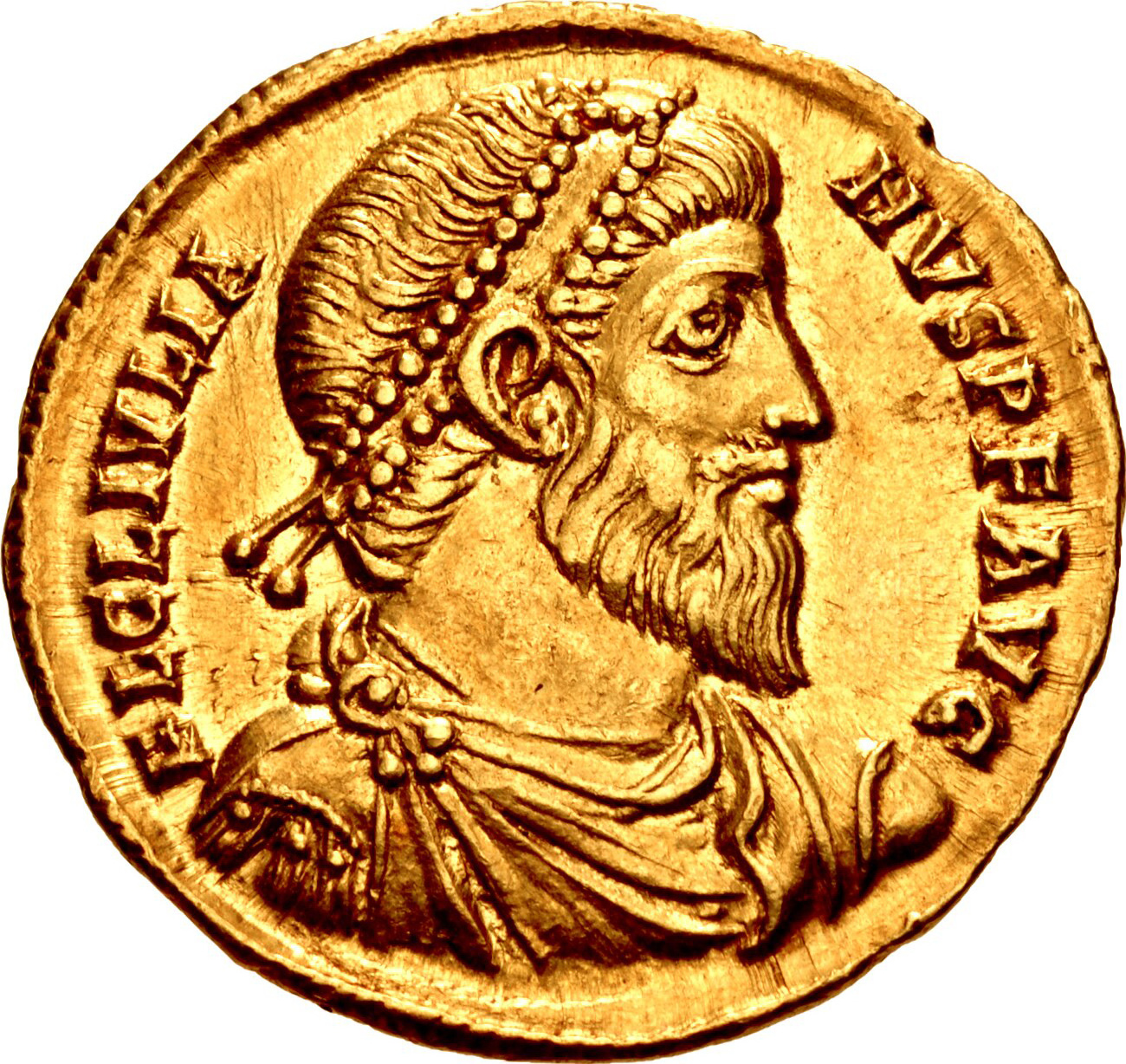
Julian (Latin: Flavius Claudius Julianus; Ancient Greek: Ἰουλιανός Ioulianos; 331 – 26 June 363) was the Caesar of the West from 355 to 360 and Roman emperor from 361 to 363, as well as a notable philosopher and author in Greek. His rejection of Christianity, and his promotion of Neoplatonic Hellenism and persecution of Christians, caused him to be remembered as Julian the Apostate in the Christian tradition.
A nephew of Constantine the Great, Julian was one of few in the imperial family to survive the purges and civil wars during the reign of Constantius II, his cousin. Julian became an orphan as a child after his father was executed in 337, and spent much of his life under Constantius's close supervision. However, the emperor allowed Julian freedom to pursue an education in the Greek-speaking east. In 355, Constantius II summoned Julian to court and appointed him to rule Gaul. Julian was successful in his rule, defeating and counterattacking Germanic raids across the Rhine and encouraging the provinces' return to prosperity. In 360, he was proclaimed emperor by his soldiers at Lutetia (Paris), sparking a civil war with Constantius. However, Constantius died before the two could face each other in battle, having named Julian as his successor to prevent further bloodshed.
In 363, Julian embarked on an ambitious campaign against the Sasanian Empire. The campaign was initially successful, securing a victory outside Ctesiphon in Mesopotamia. However, he did not attempt to besiege the capital. Julian instead moved into Persia's heartland, but he soon faced supply problems and was forced to retreat northwards while being ceaselessly harassed by Persian skirmishers. During the Battle of Samarra, Julian was mortally wounded. He was succeeded by Jovian, a senior officer in the imperial guard, who was obliged to cede territory, including Nisibis, in order to save the trapped Roman forces. Julian and Jovian were the last sole emperors to rule the whole Empire for their entire reign, after which it was permanently divided between a Western and Eastern court.
Julian was the last non-Christian ruler of the Roman Empire, and he believed that it was necessary to restore the Empire's ancient Roman values and traditions in order to save it from dissolution. He purged the top-heavy state bureaucracy, and attempted to revive traditional Roman religious practices at the expense of Christianity. His efforts to build a Third Temple in Jerusalem were probably intended to harm Christianity rather than please Jews. Julian also forbade Christians from teaching and learning classical texts.
Julian, whose full name was Flavius Claudius Julianus, was born at Constantinople, probably in 331, into the family of the reigning emperor, Constantine I, and was the first attested individual to be born in that city after its refounding. His father was Julius Constantius, Constantine's younger half-brother, and his mother was a Bithynian noble named Basilina, daughter of a high-ranking bureaucrat, Julianus, who had served as praetorian prefect and head of government under the late emperor Licinius. Julian's mother died shortly after he was born, and he spent his childhood in Constantinople, forming a lasting attachment to the city. Julian was probably raised with Greek as his first language, and, being the nephew of Rome's first Christian emperor, he was brought up under the Christian faith.
In the turmoil after the death of Constantine in 337, in order to establish himself and his brothers, Julian's cousin Constantius II appears to have led a massacre of most of Julian's close relatives. Constantius II allegedly ordered the murders of many descendants from the second marriage of Constantius Chlorus and Theodora, leaving only Constantius and his brothers Constantine II and Constans I, and their cousins, Julian and Constantius Gallus (Julian's half-brother), as the surviving males related to Emperor Constantine. Constantius II, Constans I, and Constantine II were proclaimed joint emperors, each ruling a portion of Roman territory. Julian and Gallus were excluded from public life, were strictly guarded in their youth, and given a Christian education. They were likely saved by their youth. If Julian's later writings are to be believed, Constantius would later be tormented with guilt at the massacre of 337.
Initially growing up in Bithynia, raised by his maternal grandmother, at the age of seven Julian was under the guardianship of Eusebius, the semi-Arian Christian Bishop of Nicomedia, and taught by Mardonius, a Gothic eunuch, about whom he later wrote warmly. After Eusebius died in 342, both Julian and Gallus were transferred to the imperial estate of Macellum in Cappadocia. Here Julian met the Christian bishop George of Cappadocia, who lent him books from the classical tradition. At the age of 18, the exile was lifted and he dwelt briefly in Constantinople and Nicomedia. He became a lector, a minor office in the Christian church, and his later writings show a detailed knowledge of the Bible, likely acquired in his early life.
Julian's conversion from Christianity to paganism happened at around the age of 20. Looking back on his life in 362, Julian wrote that he had spent twenty years in the way of Christianity and twelve in the true way, i.e., the way of Helios. Julian began his study of Neoplatonism in Asia Minor in 351, at first under Aedesius, the philosopher, and then Aedesius' student Eusebius of Myndus. It was from Eusebius that Julian learned of the teachings of Maximus of Ephesus, whom Eusebius criticized for his more mystical form of Neoplatonic theurgy. Eusebius related his meeting with Maximus, in which the theurgist invited him into the temple of Hecate and, chanting a hymn, caused a statue of the goddess to smile and laugh, and her torches to ignite. Eusebius reportedly told Julian that he "must not marvel at any of these things, even as I marvel not, but rather believe that the thing of the highest importance is that purification of the soul which is attained by reason." In spite of Eusebius' warnings regarding the "impostures of witchcraft and magic that cheat the senses" and "the works of conjurers who are insane men led astray into the exercise of earthly and material powers", Julian was intrigued, and sought out Maximus as his new mentor. According to the historian Eunapius, when Julian left Eusebius, he told his former teacher "farewell, and devote yourself to your books. You have shown me the man I was in search of."
Julian (emperor)
Julian (Latin: Flavius Claudius Julianus; Ancient Greek: Ἰουλιανός Ioulianos; 331 – 26 June 363) was the Caesar of the West from 355 to 360 and Roman emperor from 361 to 363, as well as a notable philosopher and author in Greek. His rejection of Christianity, and his promotion of Neoplatonic Hellenism and persecution of Christians, caused him to be remembered as Julian the Apostate in the Christian tradition.
A nephew of Constantine the Great, Julian was one of few in the imperial family to survive the purges and civil wars during the reign of Constantius II, his cousin. Julian became an orphan as a child after his father was executed in 337, and spent much of his life under Constantius's close supervision. However, the emperor allowed Julian freedom to pursue an education in the Greek-speaking east. In 355, Constantius II summoned Julian to court and appointed him to rule Gaul. Julian was successful in his rule, defeating and counterattacking Germanic raids across the Rhine and encouraging the provinces' return to prosperity. In 360, he was proclaimed emperor by his soldiers at Lutetia (Paris), sparking a civil war with Constantius. However, Constantius died before the two could face each other in battle, having named Julian as his successor to prevent further bloodshed.
In 363, Julian embarked on an ambitious campaign against the Sasanian Empire. The campaign was initially successful, securing a victory outside Ctesiphon in Mesopotamia. However, he did not attempt to besiege the capital. Julian instead moved into Persia's heartland, but he soon faced supply problems and was forced to retreat northwards while being ceaselessly harassed by Persian skirmishers. During the Battle of Samarra, Julian was mortally wounded. He was succeeded by Jovian, a senior officer in the imperial guard, who was obliged to cede territory, including Nisibis, in order to save the trapped Roman forces. Julian and Jovian were the last sole emperors to rule the whole Empire for their entire reign, after which it was permanently divided between a Western and Eastern court.
Julian was the last non-Christian ruler of the Roman Empire, and he believed that it was necessary to restore the Empire's ancient Roman values and traditions in order to save it from dissolution. He purged the top-heavy state bureaucracy, and attempted to revive traditional Roman religious practices at the expense of Christianity. His efforts to build a Third Temple in Jerusalem were probably intended to harm Christianity rather than please Jews. Julian also forbade Christians from teaching and learning classical texts.
Julian, whose full name was Flavius Claudius Julianus, was born at Constantinople, probably in 331, into the family of the reigning emperor, Constantine I, and was the first attested individual to be born in that city after its refounding. His father was Julius Constantius, Constantine's younger half-brother, and his mother was a Bithynian noble named Basilina, daughter of a high-ranking bureaucrat, Julianus, who had served as praetorian prefect and head of government under the late emperor Licinius. Julian's mother died shortly after he was born, and he spent his childhood in Constantinople, forming a lasting attachment to the city. Julian was probably raised with Greek as his first language, and, being the nephew of Rome's first Christian emperor, he was brought up under the Christian faith.
In the turmoil after the death of Constantine in 337, in order to establish himself and his brothers, Julian's cousin Constantius II appears to have led a massacre of most of Julian's close relatives. Constantius II allegedly ordered the murders of many descendants from the second marriage of Constantius Chlorus and Theodora, leaving only Constantius and his brothers Constantine II and Constans I, and their cousins, Julian and Constantius Gallus (Julian's half-brother), as the surviving males related to Emperor Constantine. Constantius II, Constans I, and Constantine II were proclaimed joint emperors, each ruling a portion of Roman territory. Julian and Gallus were excluded from public life, were strictly guarded in their youth, and given a Christian education. They were likely saved by their youth. If Julian's later writings are to be believed, Constantius would later be tormented with guilt at the massacre of 337.
Initially growing up in Bithynia, raised by his maternal grandmother, at the age of seven Julian was under the guardianship of Eusebius, the semi-Arian Christian Bishop of Nicomedia, and taught by Mardonius, a Gothic eunuch, about whom he later wrote warmly. After Eusebius died in 342, both Julian and Gallus were transferred to the imperial estate of Macellum in Cappadocia. Here Julian met the Christian bishop George of Cappadocia, who lent him books from the classical tradition. At the age of 18, the exile was lifted and he dwelt briefly in Constantinople and Nicomedia. He became a lector, a minor office in the Christian church, and his later writings show a detailed knowledge of the Bible, likely acquired in his early life.
Julian's conversion from Christianity to paganism happened at around the age of 20. Looking back on his life in 362, Julian wrote that he had spent twenty years in the way of Christianity and twelve in the true way, i.e., the way of Helios. Julian began his study of Neoplatonism in Asia Minor in 351, at first under Aedesius, the philosopher, and then Aedesius' student Eusebius of Myndus. It was from Eusebius that Julian learned of the teachings of Maximus of Ephesus, whom Eusebius criticized for his more mystical form of Neoplatonic theurgy. Eusebius related his meeting with Maximus, in which the theurgist invited him into the temple of Hecate and, chanting a hymn, caused a statue of the goddess to smile and laugh, and her torches to ignite. Eusebius reportedly told Julian that he "must not marvel at any of these things, even as I marvel not, but rather believe that the thing of the highest importance is that purification of the soul which is attained by reason." In spite of Eusebius' warnings regarding the "impostures of witchcraft and magic that cheat the senses" and "the works of conjurers who are insane men led astray into the exercise of earthly and material powers", Julian was intrigued, and sought out Maximus as his new mentor. According to the historian Eunapius, when Julian left Eusebius, he told his former teacher "farewell, and devote yourself to your books. You have shown me the man I was in search of."
Recent media
Recent media