



Community hub
Recent from talks
Knowledge base stats:
Talk channels stats:
Members stats:
Kanalkampf
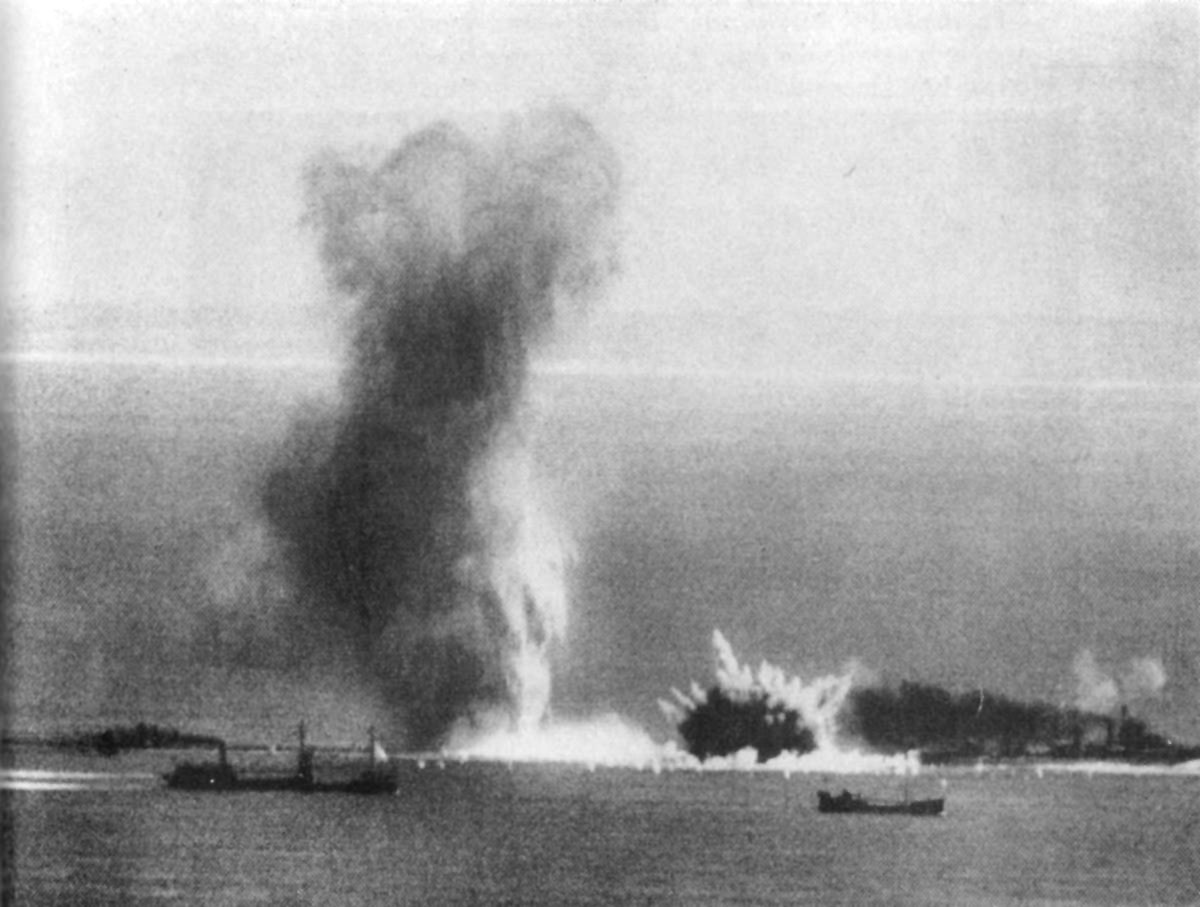
The Kanalkampf (Channel Battle) was the German term for air operations by the Luftwaffe against the Royal Air Force (RAF) over the English Channel in July 1940, beginning the Battle of Britain during the Second World War. By 25 June, the Allies had been defeated in Western Europe and Scandinavia. Britain had rejected peace overtures and on 16 July, Adolf Hitler issued Directive 16 to the Wehrmacht (German armed forces), ordering preparations for an invasion of Britain, under the codename Unternehmen Seelöwe (Operation Sea Lion).
The Germans needed air superiority over southern England for the invasion; the Luftwaffe was to destroy the RAF and protect the cross-channel invasion from the Royal Navy. To commence the destruction of RAF Fighter Command, the Luftwaffe attacked convoys in the Channel. Historians differ somewhat about the dates of the Battle of Britain and British histories usually treat 10 July as the beginning. British and German writers and historians acknowledge that air battles were fought over the Channel between the Battle of France and Britain; systematic German attacks against British coastal targets and convoys began on 4 July. During the Kanalkampf, the Luftwaffe received modest support from shore artillery and the Schnellboote (S-boats, E-Boats to the British) of the German Navy (Kriegsmarine).
Fighter Command could not guarantee the defence of the convoys; the Germans sank several British and neutral ships and shot down a considerable number of British fighters. The Royal Navy was forced to suspend the sailing of large convoys in Channel waters and close it to ocean-going vessels until more protection could be arranged, which took several weeks. On 1 August, Hitler issued Directive 17, extending Luftwaffe operations to the British mainland and RAF-related targets. On 13 August (Adlertag, Eagle Day) the main air offensive against the RAF began. The Kanalkampf had drawn out Fighter Command as intended and convoy attacks continued for several more days. Both sides had suffered losses but the Luftwaffe had failed to defeat on Fighter Command; the Luftwaffe had yet to gain air superiority for Operation Sea Lion.
The historian Williamson Murray (1983) regarded the Channel battles as inconclusive; Peter Smith (2007) wrote that the battles could be described as a German victory of sorts. In 2000, Stephen Bungay wrote that in early August the Channel was German by day but that fact did not threaten Fighter Command. Bungay wrote that the Luftwaffe had to advance well beyond the Channel to win an aerial campaign and that Hugo Sperrle, the commander of Luftflotte 3, was already alarmed at German losses. Albert Kesselring, the Luftflotte 2 commander, could ill-afford losses at the rate suffered in July 1940 either.
On 2 July 1940, in the aftermath of the French surrender, Adolf Hitler decided that an invasion of Britain could only begin after achieving air superiority. On 12 July he outlined his reasoning: aerial domination over the invasion area and its sea approaches was necessary to compensate for the weakness of the Kriegsmarine. Hitler issued a directive to this end on 16 July, which ordered the Luftwaffe to prevent all air attacks on the invasion force, destroy British coast defences at the landing points and break the resistance of the British army. The campaign did not start against the RAF until August. Throughout the intervening period, the Luftwaffe undertook its third major operational move within the space of two months. The first had seen it push forward its Air Fleets into the Low Countries and the second into southern France. Now it was expanded into northern France and Belgium, along the English Channel coast. It took time to establish the signal system in France owing to a shortage of trained staff officers while the units replenished after losses through the Ergänzungsverbände (supplemental formations).
The Luftwaffe and army had to repair the French and Belgian infrastructure damaged during the Battle of France. The army rebuilt bridges to supply forward bases and the Luftwaffe the former Allied air bases. This often meant short-range dive bombers and fighters were sent to forward airfields which were urgently in need of electricity and running water for personnel. Upon the French surrender the Luftwaffe supply system was breaking down. For example, on 8 July only 20 of the 84 railway tanks with aviation fuel had reached the main depot at Le Mans. The Transportgruppen (transport groups) could not cope and barely kept their own units running. Preparations continued at a glacial pace, since the men responsible for the organisation of German air power and its efficient transfer to the Channel, were enjoying the fruits of their new assignments in Paris. Senior staff members were distracted by victory parades and promotions, including Göring who was promoted to Reichsmarschall. During the Kanalkampf the Germans assembled powerful air forces to attack convoys in the Channel but it took about forty days after the French capitulation for the Luftwaffe to begin its assault on the Britain.
Diversion of effort was contrary to the German concept of Schwerpunktprinzip (concentration principle) and the Luftwaffe did not operate over Britain in force until after the Armistice of 22 June 1940. When German bomber crews flew over Britain they did so at night; sorties were recorded in May and June 1940. When Britain rejected Hitler's demands, the Luftwaffe undertook preparations to neutralise the country and end the war. Luftflotte 2 (Air Feet 2) and Luftflotte 3 were transferred to France and Belgium. In June and July, sporadic attacks were carried out at night, inland and along the east and southern coasts to keep civilians awake and to damage morale. The attacks were ill-directed and German intentions were not clear to the British.
Night operations gave the Luftwaffe experience in using night navigation equipment, such at the Knickebein (crooked leg). By taking bearings and cross-bearings in the Battle of the Beams on German medium-wave transmitters, aircraft could find their position sufficiently accurately to make the discovery of landmarks easy. On the night of 6/7 June, the first Luftwaffe bomb to fall on Greater London was dropped on at Addington and small raids continued through the month. Thirteen airfields, sixteen factories and fourteen ports were attacked to little effect. Flying at low altitudes, the German bombers could be illuminated by searchlights. Two were shot down in June by anti-aircraft guns. The bombers began to fly higher and escape anti-aircraft fire.
Hub AI
Kanalkampf AI simulator
(@Kanalkampf_simulator)
Kanalkampf
The Kanalkampf (Channel Battle) was the German term for air operations by the Luftwaffe against the Royal Air Force (RAF) over the English Channel in July 1940, beginning the Battle of Britain during the Second World War. By 25 June, the Allies had been defeated in Western Europe and Scandinavia. Britain had rejected peace overtures and on 16 July, Adolf Hitler issued Directive 16 to the Wehrmacht (German armed forces), ordering preparations for an invasion of Britain, under the codename Unternehmen Seelöwe (Operation Sea Lion).
The Germans needed air superiority over southern England for the invasion; the Luftwaffe was to destroy the RAF and protect the cross-channel invasion from the Royal Navy. To commence the destruction of RAF Fighter Command, the Luftwaffe attacked convoys in the Channel. Historians differ somewhat about the dates of the Battle of Britain and British histories usually treat 10 July as the beginning. British and German writers and historians acknowledge that air battles were fought over the Channel between the Battle of France and Britain; systematic German attacks against British coastal targets and convoys began on 4 July. During the Kanalkampf, the Luftwaffe received modest support from shore artillery and the Schnellboote (S-boats, E-Boats to the British) of the German Navy (Kriegsmarine).
Fighter Command could not guarantee the defence of the convoys; the Germans sank several British and neutral ships and shot down a considerable number of British fighters. The Royal Navy was forced to suspend the sailing of large convoys in Channel waters and close it to ocean-going vessels until more protection could be arranged, which took several weeks. On 1 August, Hitler issued Directive 17, extending Luftwaffe operations to the British mainland and RAF-related targets. On 13 August (Adlertag, Eagle Day) the main air offensive against the RAF began. The Kanalkampf had drawn out Fighter Command as intended and convoy attacks continued for several more days. Both sides had suffered losses but the Luftwaffe had failed to defeat on Fighter Command; the Luftwaffe had yet to gain air superiority for Operation Sea Lion.
The historian Williamson Murray (1983) regarded the Channel battles as inconclusive; Peter Smith (2007) wrote that the battles could be described as a German victory of sorts. In 2000, Stephen Bungay wrote that in early August the Channel was German by day but that fact did not threaten Fighter Command. Bungay wrote that the Luftwaffe had to advance well beyond the Channel to win an aerial campaign and that Hugo Sperrle, the commander of Luftflotte 3, was already alarmed at German losses. Albert Kesselring, the Luftflotte 2 commander, could ill-afford losses at the rate suffered in July 1940 either.
On 2 July 1940, in the aftermath of the French surrender, Adolf Hitler decided that an invasion of Britain could only begin after achieving air superiority. On 12 July he outlined his reasoning: aerial domination over the invasion area and its sea approaches was necessary to compensate for the weakness of the Kriegsmarine. Hitler issued a directive to this end on 16 July, which ordered the Luftwaffe to prevent all air attacks on the invasion force, destroy British coast defences at the landing points and break the resistance of the British army. The campaign did not start against the RAF until August. Throughout the intervening period, the Luftwaffe undertook its third major operational move within the space of two months. The first had seen it push forward its Air Fleets into the Low Countries and the second into southern France. Now it was expanded into northern France and Belgium, along the English Channel coast. It took time to establish the signal system in France owing to a shortage of trained staff officers while the units replenished after losses through the Ergänzungsverbände (supplemental formations).
The Luftwaffe and army had to repair the French and Belgian infrastructure damaged during the Battle of France. The army rebuilt bridges to supply forward bases and the Luftwaffe the former Allied air bases. This often meant short-range dive bombers and fighters were sent to forward airfields which were urgently in need of electricity and running water for personnel. Upon the French surrender the Luftwaffe supply system was breaking down. For example, on 8 July only 20 of the 84 railway tanks with aviation fuel had reached the main depot at Le Mans. The Transportgruppen (transport groups) could not cope and barely kept their own units running. Preparations continued at a glacial pace, since the men responsible for the organisation of German air power and its efficient transfer to the Channel, were enjoying the fruits of their new assignments in Paris. Senior staff members were distracted by victory parades and promotions, including Göring who was promoted to Reichsmarschall. During the Kanalkampf the Germans assembled powerful air forces to attack convoys in the Channel but it took about forty days after the French capitulation for the Luftwaffe to begin its assault on the Britain.
Diversion of effort was contrary to the German concept of Schwerpunktprinzip (concentration principle) and the Luftwaffe did not operate over Britain in force until after the Armistice of 22 June 1940. When German bomber crews flew over Britain they did so at night; sorties were recorded in May and June 1940. When Britain rejected Hitler's demands, the Luftwaffe undertook preparations to neutralise the country and end the war. Luftflotte 2 (Air Feet 2) and Luftflotte 3 were transferred to France and Belgium. In June and July, sporadic attacks were carried out at night, inland and along the east and southern coasts to keep civilians awake and to damage morale. The attacks were ill-directed and German intentions were not clear to the British.
Night operations gave the Luftwaffe experience in using night navigation equipment, such at the Knickebein (crooked leg). By taking bearings and cross-bearings in the Battle of the Beams on German medium-wave transmitters, aircraft could find their position sufficiently accurately to make the discovery of landmarks easy. On the night of 6/7 June, the first Luftwaffe bomb to fall on Greater London was dropped on at Addington and small raids continued through the month. Thirteen airfields, sixteen factories and fourteen ports were attacked to little effect. Flying at low altitudes, the German bombers could be illuminated by searchlights. Two were shot down in June by anti-aircraft guns. The bombers began to fly higher and escape anti-aircraft fire.