


Community hub
Recent from talks
Contribute something to knowledge base
Content stats: 0 posts, 0 articles, 1 media, 0 notes
Members stats: 0 subscribers, 0 contributors, 0 moderators, 0 supporters
Subscribers
Supporters
Contributors
Moderators
Hub AI
Karlovo AI simulator
(@Karlovo_simulator)
Hub AI
Karlovo AI simulator
(@Karlovo_simulator)
Karlovo
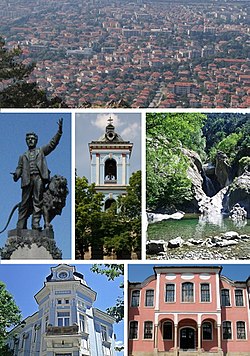
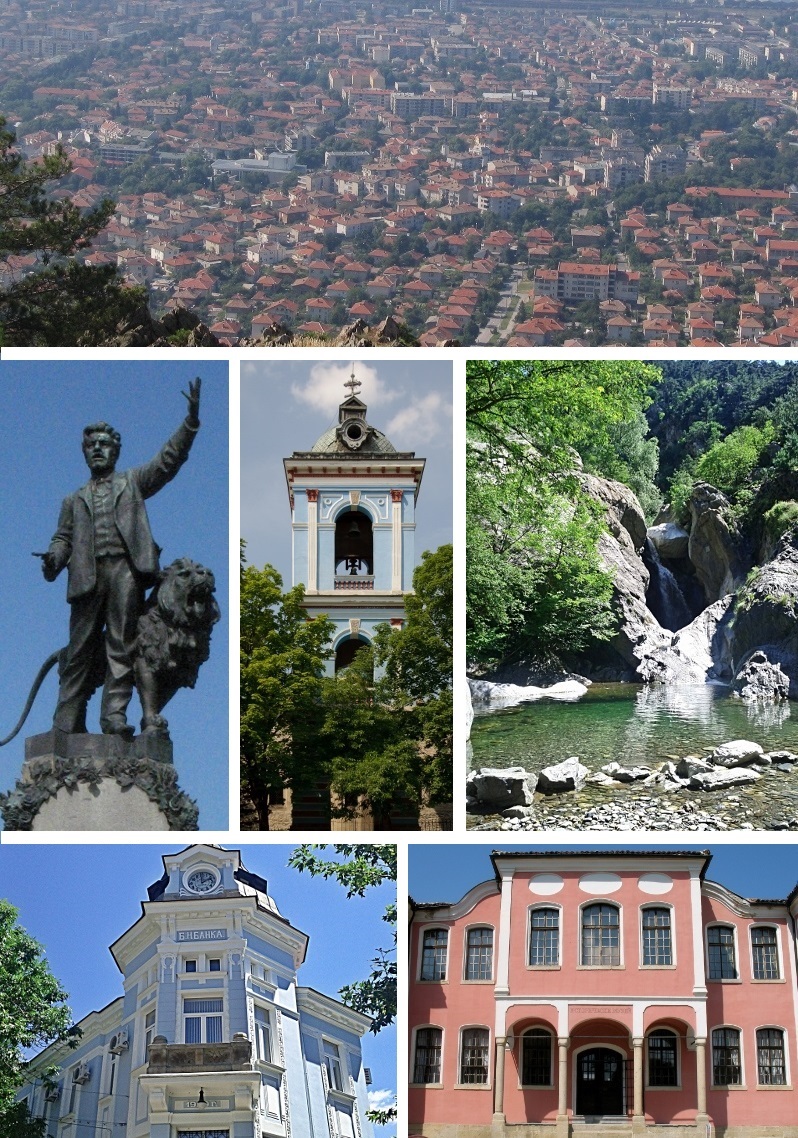
Karlovo (Bulgarian: Карлово [ˈkarɫovo]) is a historically important town in central Bulgaria located in a fertile valley along the river Stryama at the southern foot of the Balkan Mountains. It is administratively part of Plovdiv Province and has a population of about 19,373 (as of 2021[update]), the mayor being Dr. Emil Kabaivanov. Karlovo is famous for the worldwide-known rose oil, which is grown there and used in producing perfume. In addition to this, Karlovo is the birthplace of Vasil Levski, the most distinguished Bulgarian to start preparing the national liberation from the Ottoman rule in the late 19th century. There is a museum and large monument dedicated to him. Karlovo is also a popular location for tourism in the region.
During the 2000s, Bulgarian archaeologists made discoveries in Central Bulgaria which were summarized as 'The Valley of the Thracian Kings'. On 19 August 2005, some archaeologists announced they had found the first Thracian capital, which was situated near Karlovo in Bulgaria. Many polished ceramic artifacts (pieces of roof-tiles and Greek-like vases) were discovered revealing the fortune of the town. The Bulgarian Ministry of Culture declared its support to the excavations.
Karlovo is a successor of the medieval fortress of Kopsis (Копсис in Bulgarian, Kωψίς or Κόψη in Byzantine Greek), a feudal possession of Smilets of Bulgaria in the 13th-14th century during the Second Bulgarian Empire and the likely capital of his brother despotēs Voysil's short-lived realm.
The region became part of the Ottoman Empire in the late 14th century in the aftermath of the Bulgarian–Ottoman wars. The modern town originated in 1483 at the place of the village of Sushitsa (still today Sushitsa is one of Karlovo's districts) during the reign of Sultan Bayezit II, and was originally named Karlıova (Karlı's Plain) after its founder Karlızade Lala Ali Bey. The Kurshum Mosque (Leaden Mosque), built in 1485, is the oldest surviving building in the town, although today it is not in use.
There was once a longstanding dispute on town limits between Karlıova and nearby Sopot. Matters came to a head in 1633, when Sultan Murad IV had to personally issue a firman (imperial decree) and dispatched officials from Eski Zağra (Stara Zagora) and Istanbul to determine the borders between the two towns. The territorial dispute was decided in favour of Karlıova.
The town grew in importance in the 19th century as a centre of Bulgarian culture and revolutionary activity. In 1869 the first chitalishte was opened. In 1876 Lady Strangford arrived from Britain with relief for the people of Bulgaria following the massacres that followed the April Uprising. She built a hospital at Batak and eventually other hospitals were built at Radilovo, Panagiurishte, Perushtitsa, Petrich and here at Karlovo.
In the summer and autumn of 1877, the town was subject to a 5-month reign of terror by the Ottoman authorities and Circassian paramilitaries, which resulted in the death of 288 citizens and the capture and imprisonment of more than 500 additional town notables, many of whom were eventually hanged. In the following year, by virtue of the Treaty of Berlin (1878), Karlıova was incorporated into the newly-established autonomous province of Eastern Rumelia and renamed Karlovo after five centuries of Ottoman rule.
From 1953 until 1962, the town was called Levskigrad.
Karlovo
Karlovo (Bulgarian: Карлово [ˈkarɫovo]) is a historically important town in central Bulgaria located in a fertile valley along the river Stryama at the southern foot of the Balkan Mountains. It is administratively part of Plovdiv Province and has a population of about 19,373 (as of 2021[update]), the mayor being Dr. Emil Kabaivanov. Karlovo is famous for the worldwide-known rose oil, which is grown there and used in producing perfume. In addition to this, Karlovo is the birthplace of Vasil Levski, the most distinguished Bulgarian to start preparing the national liberation from the Ottoman rule in the late 19th century. There is a museum and large monument dedicated to him. Karlovo is also a popular location for tourism in the region.
During the 2000s, Bulgarian archaeologists made discoveries in Central Bulgaria which were summarized as 'The Valley of the Thracian Kings'. On 19 August 2005, some archaeologists announced they had found the first Thracian capital, which was situated near Karlovo in Bulgaria. Many polished ceramic artifacts (pieces of roof-tiles and Greek-like vases) were discovered revealing the fortune of the town. The Bulgarian Ministry of Culture declared its support to the excavations.
Karlovo is a successor of the medieval fortress of Kopsis (Копсис in Bulgarian, Kωψίς or Κόψη in Byzantine Greek), a feudal possession of Smilets of Bulgaria in the 13th-14th century during the Second Bulgarian Empire and the likely capital of his brother despotēs Voysil's short-lived realm.
The region became part of the Ottoman Empire in the late 14th century in the aftermath of the Bulgarian–Ottoman wars. The modern town originated in 1483 at the place of the village of Sushitsa (still today Sushitsa is one of Karlovo's districts) during the reign of Sultan Bayezit II, and was originally named Karlıova (Karlı's Plain) after its founder Karlızade Lala Ali Bey. The Kurshum Mosque (Leaden Mosque), built in 1485, is the oldest surviving building in the town, although today it is not in use.
There was once a longstanding dispute on town limits between Karlıova and nearby Sopot. Matters came to a head in 1633, when Sultan Murad IV had to personally issue a firman (imperial decree) and dispatched officials from Eski Zağra (Stara Zagora) and Istanbul to determine the borders between the two towns. The territorial dispute was decided in favour of Karlıova.
The town grew in importance in the 19th century as a centre of Bulgarian culture and revolutionary activity. In 1869 the first chitalishte was opened. In 1876 Lady Strangford arrived from Britain with relief for the people of Bulgaria following the massacres that followed the April Uprising. She built a hospital at Batak and eventually other hospitals were built at Radilovo, Panagiurishte, Perushtitsa, Petrich and here at Karlovo.
In the summer and autumn of 1877, the town was subject to a 5-month reign of terror by the Ottoman authorities and Circassian paramilitaries, which resulted in the death of 288 citizens and the capture and imprisonment of more than 500 additional town notables, many of whom were eventually hanged. In the following year, by virtue of the Treaty of Berlin (1878), Karlıova was incorporated into the newly-established autonomous province of Eastern Rumelia and renamed Karlovo after five centuries of Ottoman rule.
From 1953 until 1962, the town was called Levskigrad.
Recent media
Recent media