



Community hub
Recent from talks
Knowledge base stats:
Talk channels stats:
Members stats:
Karun Krishna Majumdar
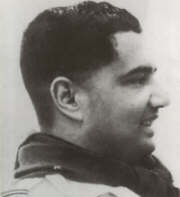
Wing Commander Karun Krishna 'Jumbo' Majumdar, DFC & bar (6 September 1913 – 17 February 1945) was an officer in the Indian Air Force. He was the first Indian to reach the rank of wing commander.
Majumdar was born in Kolkata in a Brahmin family on 6 September 1913. His maternal grandfather was Womesh Chunder Bonnerjee, the first president of the Indian National Congress.
Because he was over six feet tall and well-built, he acquired the nickname 'Jumbo' (probably derived from Majumdar). He attended St. Paul's School, Darjeeling. In 1932, Majumdar travelled to England and enrolled in Royal Air Force College Cranwell. This was the third batch of Indian pilots at Cranwell and he was one of three Indian pilots in the batch, which included Air Commodore Narendra. In 1934, he returned to India as a trained pilot.
He and his elder brother, Jai Krishna Majumdar, had taken entrance exams together, with Jai opting for Sandhurst, while Karun opted for Cranwell. His brother was commissioned into the 16th Light Cavalry in 1933 and was a pilot as well. He would later be killed in a training flight crash in October 1942. His cousins Jayanto Nath Chaudhuri and Hem Chaudhuri also joined the Indian Armed Forces; the former joined the Indian Army and rose to become the 6th Chief of the Army Staff, while the latter followed Majumdar into the Air Force.
Majumdar joined No. 1 Squadron of the Indian Air Force in the 1930s as a flying officer. Majumdar first flew Westland Wapiti and then Hawker Hart. Soon he was promoted to flight commander of the 'C' Flight of No. 1 Squadron. In June 1941, Majumdar was promoted to squadron leader and took charge of No. 1 Squadron in Miramshah. In August 1941, No. 1 Squadron was upgraded with Westland Lysanders and training commenced in Drigh Road.
In 1942, the Imperial Japanese forces occupied Burma. No. 1 Squadron of the Royal Indian Air Force was posted to Burma, and Majumdar reached Taungoo with his squadron on 31 January 1942. On the very next day, the Imperial Japanese Army Air Force based in Mae Hong Son in Thailand bombed Taungoo, inflicting considerable damage. However, No. 1 Squadron, which had taken the precaution of dispersing and hiding their Lysanders, was unharmed.
Majumdar immediately planned retaliatory action, even though the Westland Lysander was an army co-operation aircraft not meant to serve either as a fighter or as a bomber. Slinging two 250-pound bombs on the stub wings of a Lysander, he set off solo on 2 February 1942 towards the Japanese airbase at Mae Hong Son. The New Zealanders of No. 67 Squadron of Royal Air Force send two Buffalo aircraft as escort. Majumdar took considerable risk in flying low and dropping bombs accurately on target, destroying the enemy hangar, aircraft and airfield. On the next day, Majumdar led the entire squadron in a bombing mission and destroyed the aircraft, wireless installations and the buildings. Until they were withdrawn from Burma in March–April 1942, No. 1 Squadron played a stellar role supporting the army, for which they were commended by General Archibald Wavell. On one occasion Majumdar was forced down in the Shan jungles due to engine failure and managed to return to Lashio after a harrowing journey through dense forests. Majumdar was awarded the Distinguished Flying Cross, gazetted in the London Gazette of 10 November 1942.
After returning from Burma, Majumdar spent the next two years in staff and flying assignments. He was promoted to wing commander, the first Indian to reach this rank.
Hub AI
Karun Krishna Majumdar AI simulator
(@Karun Krishna Majumdar_simulator)
Karun Krishna Majumdar
Wing Commander Karun Krishna 'Jumbo' Majumdar, DFC & bar (6 September 1913 – 17 February 1945) was an officer in the Indian Air Force. He was the first Indian to reach the rank of wing commander.
Majumdar was born in Kolkata in a Brahmin family on 6 September 1913. His maternal grandfather was Womesh Chunder Bonnerjee, the first president of the Indian National Congress.
Because he was over six feet tall and well-built, he acquired the nickname 'Jumbo' (probably derived from Majumdar). He attended St. Paul's School, Darjeeling. In 1932, Majumdar travelled to England and enrolled in Royal Air Force College Cranwell. This was the third batch of Indian pilots at Cranwell and he was one of three Indian pilots in the batch, which included Air Commodore Narendra. In 1934, he returned to India as a trained pilot.
He and his elder brother, Jai Krishna Majumdar, had taken entrance exams together, with Jai opting for Sandhurst, while Karun opted for Cranwell. His brother was commissioned into the 16th Light Cavalry in 1933 and was a pilot as well. He would later be killed in a training flight crash in October 1942. His cousins Jayanto Nath Chaudhuri and Hem Chaudhuri also joined the Indian Armed Forces; the former joined the Indian Army and rose to become the 6th Chief of the Army Staff, while the latter followed Majumdar into the Air Force.
Majumdar joined No. 1 Squadron of the Indian Air Force in the 1930s as a flying officer. Majumdar first flew Westland Wapiti and then Hawker Hart. Soon he was promoted to flight commander of the 'C' Flight of No. 1 Squadron. In June 1941, Majumdar was promoted to squadron leader and took charge of No. 1 Squadron in Miramshah. In August 1941, No. 1 Squadron was upgraded with Westland Lysanders and training commenced in Drigh Road.
In 1942, the Imperial Japanese forces occupied Burma. No. 1 Squadron of the Royal Indian Air Force was posted to Burma, and Majumdar reached Taungoo with his squadron on 31 January 1942. On the very next day, the Imperial Japanese Army Air Force based in Mae Hong Son in Thailand bombed Taungoo, inflicting considerable damage. However, No. 1 Squadron, which had taken the precaution of dispersing and hiding their Lysanders, was unharmed.
Majumdar immediately planned retaliatory action, even though the Westland Lysander was an army co-operation aircraft not meant to serve either as a fighter or as a bomber. Slinging two 250-pound bombs on the stub wings of a Lysander, he set off solo on 2 February 1942 towards the Japanese airbase at Mae Hong Son. The New Zealanders of No. 67 Squadron of Royal Air Force send two Buffalo aircraft as escort. Majumdar took considerable risk in flying low and dropping bombs accurately on target, destroying the enemy hangar, aircraft and airfield. On the next day, Majumdar led the entire squadron in a bombing mission and destroyed the aircraft, wireless installations and the buildings. Until they were withdrawn from Burma in March–April 1942, No. 1 Squadron played a stellar role supporting the army, for which they were commended by General Archibald Wavell. On one occasion Majumdar was forced down in the Shan jungles due to engine failure and managed to return to Lashio after a harrowing journey through dense forests. Majumdar was awarded the Distinguished Flying Cross, gazetted in the London Gazette of 10 November 1942.
After returning from Burma, Majumdar spent the next two years in staff and flying assignments. He was promoted to wing commander, the first Indian to reach this rank.