Hubbry Logo
Kate ToncrayKate ToncrayMain
Open search
Kate Toncray
Community hub
Kate Toncray
logo
7 pages, 0 posts
0 subscribers
Be the first to start a discussion here.
Kate Toncray
Kate Toncray
from Wikipedia

Kate Toncray (1878 – December 6, 1927)[citation needed] was an American character actress who appeared in films from 1914 through 1925.[1] She was a stage actress prior to working in films.

Key Information

Early years

[edit]

Tancray was born in St. Louis, Missouri, in 1878.[2] She had a brother[3] and a sister,[4] and she was educated in St. Louis's public schools.[2]

Career

[edit]

Toncray's stage debut came c. 1887 in a juvenile production of Cinderella.[3] She acted on stage for producers Klaw and Erlanger,[2] David Belasco, William A. Brady, Charles Frohman, the Shuberts, and others.[5] Her experience included performing with stock theater companies in Denver and Louisville.[2]

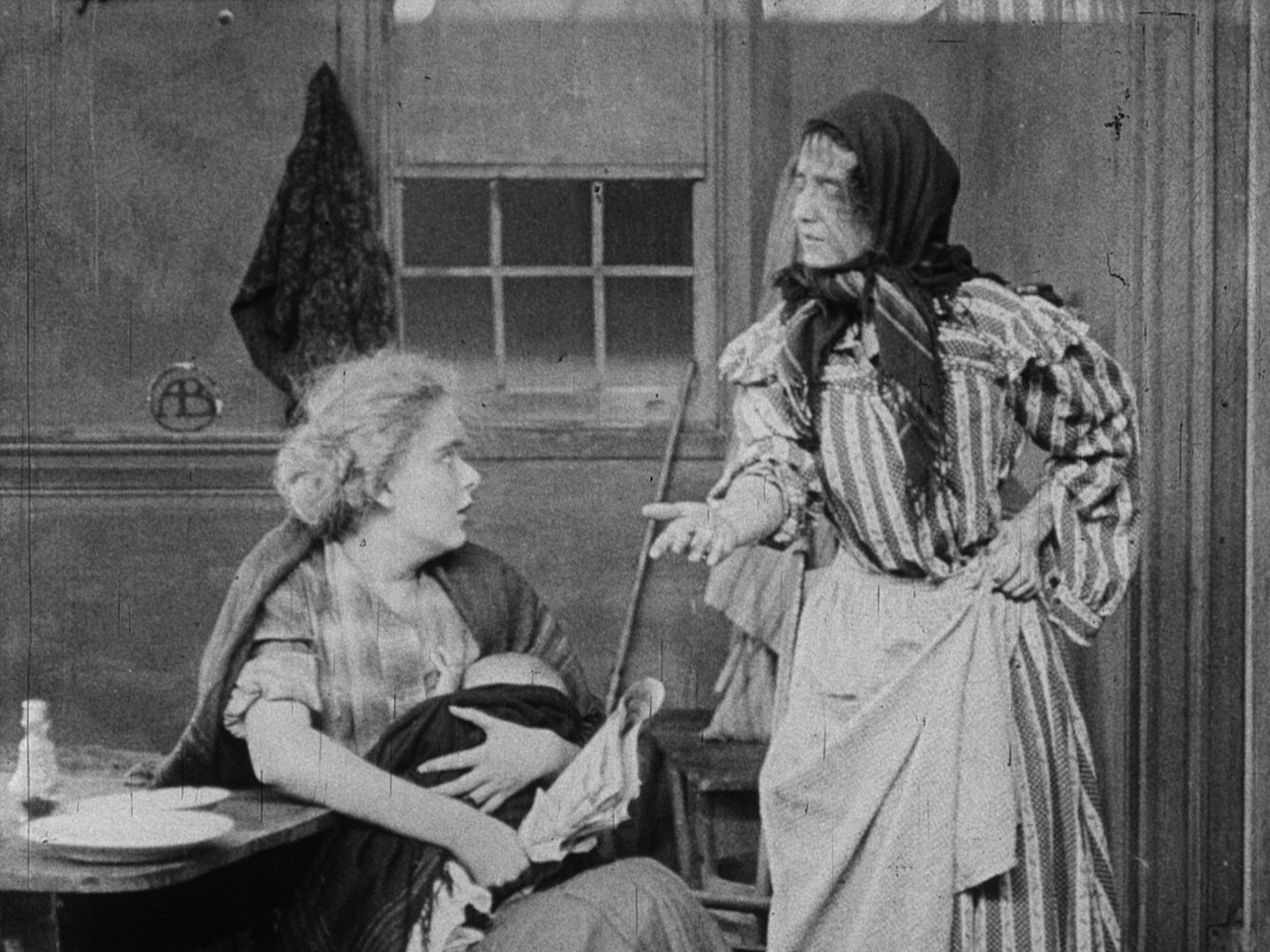
Toncray was described in contemporary publications as "at one time the original Biograph character woman"[6] and "one of the best and most effective actresses on the speaking and screen stages".[7] She worked under D. W. Griffith and with the Reliance, Majestic,[7] and Triangle film companies.[6]

Personal life

[edit]

Toncray married actor John T. Doyle in New York in 1902. They were divorced in December 1906.[4]

Selected filmography

[edit]

References

[edit]
[edit]
Revisions and contributorsEdit on WikipediaRead on Wikipedia
from Grokipedia
Kate Toncray was an American silent film actress known for her prolific career as a character player in numerous films from 1908 to the mid-1920s. Born in 1867 in St. Louis, Missouri, she transitioned from stage acting to motion pictures at the dawn of the industry, becoming a reliable supporting performer often cast as older women, mothers, or housekeepers in short dramas and early features. She began her screen career with the Biograph Company, appearing in numerous one- and two-reel films directed by D.W. Griffith, including A Welcome Intruder (1913), and worked steadily through the 1910s and into the 1920s as the industry shifted to longer narratives. Among her notable roles are Mrs. Simpson in Rebecca of Sunnybrook Farm (1917), Charity Pecksniff in Martin Chuzzlewit (1914), and parts in Boots (1919) and The Snowshoe Trail (1922), showcasing her versatility in both comedic and dramatic supporting parts. Toncray remained active until the mid-1920s, contributing to the formative years of American cinema before her death on December 6, 1927, in Manhattan, New York City. Her extensive filmography reflects the rapid evolution of the silent era, from nickelodeon shorts to early Hollywood features.

Early life

Birth and background

Kate Toncray was born in 1867 in St. Louis, Missouri, United States. The exact date of her birth remains unknown, as do most details about her family, parents, childhood, or education. Very little verifiable information survives regarding her early life prior to her film career, a circumstance common among many supporting and character actors from the early silent film period whose personal histories were seldom documented in contemporary records. She entered motion pictures in 1905 at approximately age 38.

Career

Entry into silent films and Biograph period

Kate Toncray entered silent films in 1905, coinciding with the rapid growth of the nickelodeon era and the demand for short one-reel productions. She became a regular performer for the Biograph Company, appearing in numerous one-reel shorts that defined the early American film industry. These early appearances formed part of her overall output of 178 credited films spanning 1905 to 1925. From the outset, Toncray specialized as a character actress, frequently cast in roles depicting older women and matriarchal figures, which suited her mature presence and allowed her to stand out in ensemble casts. Representative early titles from her Biograph period include The Little Darling (1909), The Sands of Dee (1909), and The Massacre (1912). Many of these one-reel Biograph shorts are now lost or poorly documented, reflecting the fragile preservation state of early cinema materials. During this time, she often worked with director D.W. Griffith on Biograph productions, establishing a pattern of collaboration that continued into the next phase of her career.

Collaboration with D.W. Griffith

Kate Toncray was a frequent stock player in the Biograph Company under D.W. Griffith's direction, appearing in numerous short films he helmed primarily between 1909 and 1913. As part of Griffith's ensemble of character actors, she contributed to his pioneering short-form storytelling, which emphasized emotional nuance, parallel editing, and concise narrative within the constraints of one-reel productions. She was typically cast as elderly women, mothers, or supporting characters in these films. Confirmed roles include a shopkeeper in The New Dress (1911), Bobby's mother in The Sands of Dee (1912), and appearances in The Little Darling (1909), A Change of Spirit (1912), The Hero of Little Italy (1913), and A Welcome Intruder (1913). Many Biograph shorts from this era are lost or unpreserved, making a complete tally of her contributions difficult, though her consistent presence in company rosters and cast lists underscores her reliability as a supporting performer in Griffith's innovative early work.

Later career and feature films

As the silent film industry transitioned from short subjects to feature-length productions in the mid-1910s, Kate Toncray continued her acting career in longer formats, building on her established specialization in character roles. She appeared in several notable features during this period, including Martin Chuzzlewit (1914) and Rebecca of Sunnybrook Farm (1917). Toncray remained typecast as older women and supporting character parts throughout her later work in silent features, a continuation of the maternal and elderly roles she had frequently played earlier in her career. Her credits in the late 1910s and early 1920s included films such as The Hope Chest (1918), Boots (1919), The Charm School (1921), and The Snowshoe Trail (1922). Her final screen appearances came in 1925 with roles in Bobbed Hair and The Narrow Street, after which she retired from acting. Toncray's career spanned from 1905 to 1925, during which she appeared in 178 films, concluding before the widespread adoption of sound films in the late 1920s.

Death

Death and burial

Kate Toncray died on December 6, 1927, in Manhattan, New York City, at the age of 59–60. Her remains were cremated, with the location of her ashes unknown.

Legacy

Recognition as a character actress

Kate Toncray was a prolific character actress of the American silent film era, recognized for her consistent portrayals of older women in supporting roles across more than 170 films between 1905 and 1925. She specialized in matronly figures such as mothers, chaperones, and elderly relatives, providing reliable ensemble support that helped advance the narrative techniques of early cinema. Her extensive filmography, which includes 178 credits, reflects her steady presence in the industry during its formative years, particularly within stock companies that built the foundation of Hollywood storytelling. Despite her productivity, Toncray's modern recognition remains limited, largely because many of her early short films have been lost and her contributions were primarily in supporting capacities rather than starring roles. This obscurity is common among silent-era character performers, whose work is often overshadowed by the scarcity of surviving material and the emphasis on prominent leads in historical accounts.
Add your contribution
Related Hubs
User Avatar
No comments yet.