



Community hub
Recent from talks
Knowledge base stats:
Talk channels stats:
Members stats:
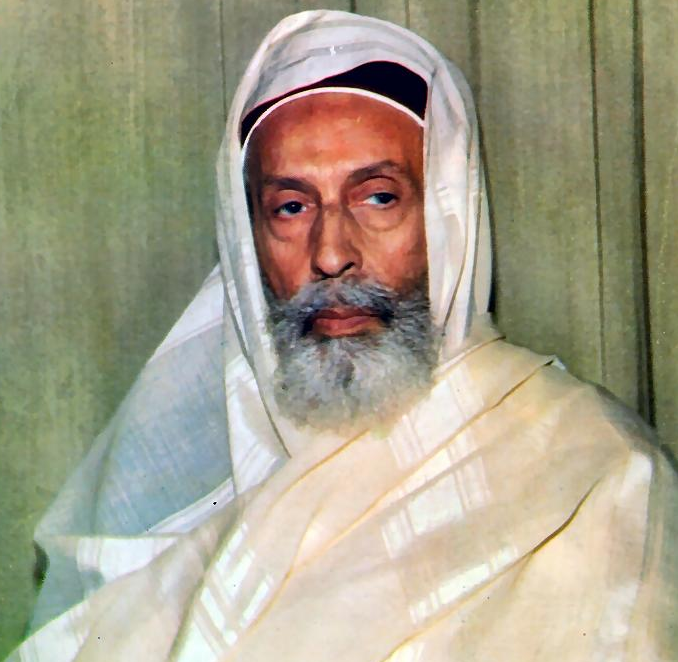
Idris of Libya
Idris (Arabic: إدريس, romanized: Idrīs, Muhammad Idris bin Muhammad al-Mahdi al-Sanusi; 13 March 1890 – 25 May 1983) was King of Libya from 24 December 1951 until his ousting in the 1 September 1969 coup d'état. He ruled over the United Kingdom of Libya from 1951 to 1963, after which the country became known as simply the Kingdom of Libya. Idris had served as Emir of Cyrenaica and Tripolitania from the 1920s until 1951. He also headed the Sanusi order.
Idris was born into the Senussi Order. When his cousin Ahmed Sharif as-Senussi abdicated as leader of the Order, Idris took his position. The Senussi campaign was taking place, with the British and Italians fighting the Order. Idris put an end to the hostilities and, through the Modus vivendi of Acroma, abandoned Ottoman protection. Between 1919 and 1920, Italy recognized Senussi control over most of Cyrenaica in exchange for the recognition of Italian sovereignty by Idris. Idris then led his Order in an unsuccessful attempt to conquer the eastern part of the Tripolitanian Republic.
Following the Second World War, the United Nations General Assembly called for Libya to be granted independence. It established the United Kingdom of Libya through the unification of Cyrenaica, Tripolitania and Fezzan, appointing Idris to rule it as king. Wielding significant political influence in the impoverished country, Idris banned political parties and, in 1963, replaced Libya's federal system with a unitary state. He established links to the Western powers, allowing the United Kingdom and United States to open military bases in the country in return for economic aid. After oil was discovered in Libya in 1959, he oversaw the emergence of a growing oil industry that rapidly aided economic growth. Idris's regime was weakened by growing Arab nationalist and Arab socialist sentiment in Libya as well as rising frustration at the country's high levels of corruption and close links with Western nations. While in Turkey for medical treatment, Idris was deposed in a 1969 coup d'état by army officers led by Muammar Gaddafi.
Idris was born at Al-Jaghbub, the headquarters of the Senussi movement, on 12 March 1889 (although some sources give the year as 1890), a son of Sayyid Muhammad al-Mahdi bin Sayyid Muhammad al-Senussi and his third wife Aisha bint Muqarrib al-Barasa.[citation needed] He was a grandson of Sayyid Muhammad ibn Ali as-Senussi, the founder of the Senussi Muslim Sufi Order and the Senussi tribe in North Africa. Idris's family claimed descent from the Islamic prophet Muhammad through his daughter, Fatimah. The Senussi were a revivalist Sunni Islamic sect who were based largely in Cyrenaica, a region in present-day eastern Libya. The Ottoman Sultan Abdul Hamid II sent his aide-de-camp Azmzade Sadik El Mueyyed to Jaghbub in 1886 and to Kufra in 1895 to cultivate positive relations with the Senussi and to counter the West European scramble for Africa. By the end of the nineteenth century the Senussi Order had established a government in Cyrenaica, unifying its tribes, controlling its pilgrimage and trade routes, and collecting taxes.
In 1916, Idris became chief of the Senussi order, following the abdication of his cousin Sayyid Ahmed Sharif es Senussi. He was recognized by the British under the new title "emir" of the territory of Cyrenaica, a position also confirmed by the Italians in 1920. He was also installed as Emir of Tripolitania on 28 July 1922.
After the Regio Esercito (the Italian Royal Army) invaded Cyrenaica in 1913 as part of their wider invasion of Libya, the Senussi Order fought back against them. When the Order's leader, Ahmed Sharif as-Senussi, abdicated his position, he was replaced by Idris, who was his cousin. Pressured to do so by the Ottoman Empire, Ahmed had pursued armed attacks against British military forces stationed in the neighbouring Sultanate of Egypt (formerly known, until December 1914, as the Khedivate of Egypt). On taking power, Idris put a stop to these attacks. Instead he established a tacit alliance with the British Empire, which would last for half a century and accord his Order de facto diplomatic status. Using the British as intermediaries, Idris led the Order into negotiations with the Italians in July 1916. These resulted in two agreements, at al-Zuwaytina in April 1916 and at Akrama in April 1917. The latter of these treaties left most of inland Cyrenaica under the control of the Senussi Order. Relations between the Senussi Order and the newly established Tripolitanian Republic were acrimonious. The Senussi attempted to militarily extend their power into eastern Tripolitania, resulting in a pitched battle at Bani Walid in which the Senussi were forced to withdraw back into Cyrenaica.
At the end of the First World War, the Ottoman Empire ceded their claims over Libya to the Kingdom of Italy. Italy, however, was facing serious economic, social, and political problems domestically, and was not prepared to re-launch its military activities in Libya. It issued statutes known as the Legge Fondamentale, for the Tripolitanian Republic in June 1919 and Cyrenaica in October 1919. These were a compromise by which all Libyans were accorded the right to joint Libyan-Italian citizenship, while each province was to have its own parliament and governing council. The Senussi were largely happy with this arrangement and Idris visited Rome as part of the celebrations to mark the promulgation of the settlement. In October 1920, further negotiations between Italy and Cyrenaica resulted in the Accord of al-Rajma, in which Idris was given the title of Emir of Cyrenaica and permitted to administer autonomously the oases around Kufra, Jalu, Jaghbub, Awjila, and Ajdabiya. As part of the Accord he was given a monthly stipend by the Italian government, who agreed to take responsibility for policing and administration of areas under Senussi control. The Accord also stipulated that Idris must fulfill the requirements of the Legge Fondamentale by disbanding the Cyrenaican military units, but he did not comply with this. By the end of 1921, relations between the Senussi Order and the Italian government had again deteriorated.
Following the death of Tripolitanian leader Ramadan Asswehly in August 1920, the Republic descended into civil war. Many tribal leaders in the region recognized that this discord was weakening the region's chances of attaining full autonomy from Italy, and, in November 1920, they met in Gharyan to bring an end to the violence. In January 1922, they agreed to request that Idris extend the Emirate of Cyrenaica into Tripolitania in order to bring stability; they presented a formal document with this request on 28 July 1922. Idris's advisers were divided on whether he should accept the offer or not. Doing so would contravene the al-Rajma Agreement and would damage relations with the Italian government, who opposed the political unification of Cyrenaica and Tripolitania as being against their interests. Nevertheless, in November 1922, Idris agreed to the proposal.
Hub AI
Idris of Libya AI simulator
(@Idris of Libya_simulator)
Idris of Libya
Idris (Arabic: إدريس, romanized: Idrīs, Muhammad Idris bin Muhammad al-Mahdi al-Sanusi; 13 March 1890 – 25 May 1983) was King of Libya from 24 December 1951 until his ousting in the 1 September 1969 coup d'état. He ruled over the United Kingdom of Libya from 1951 to 1963, after which the country became known as simply the Kingdom of Libya. Idris had served as Emir of Cyrenaica and Tripolitania from the 1920s until 1951. He also headed the Sanusi order.
Idris was born into the Senussi Order. When his cousin Ahmed Sharif as-Senussi abdicated as leader of the Order, Idris took his position. The Senussi campaign was taking place, with the British and Italians fighting the Order. Idris put an end to the hostilities and, through the Modus vivendi of Acroma, abandoned Ottoman protection. Between 1919 and 1920, Italy recognized Senussi control over most of Cyrenaica in exchange for the recognition of Italian sovereignty by Idris. Idris then led his Order in an unsuccessful attempt to conquer the eastern part of the Tripolitanian Republic.
Following the Second World War, the United Nations General Assembly called for Libya to be granted independence. It established the United Kingdom of Libya through the unification of Cyrenaica, Tripolitania and Fezzan, appointing Idris to rule it as king. Wielding significant political influence in the impoverished country, Idris banned political parties and, in 1963, replaced Libya's federal system with a unitary state. He established links to the Western powers, allowing the United Kingdom and United States to open military bases in the country in return for economic aid. After oil was discovered in Libya in 1959, he oversaw the emergence of a growing oil industry that rapidly aided economic growth. Idris's regime was weakened by growing Arab nationalist and Arab socialist sentiment in Libya as well as rising frustration at the country's high levels of corruption and close links with Western nations. While in Turkey for medical treatment, Idris was deposed in a 1969 coup d'état by army officers led by Muammar Gaddafi.
Idris was born at Al-Jaghbub, the headquarters of the Senussi movement, on 12 March 1889 (although some sources give the year as 1890), a son of Sayyid Muhammad al-Mahdi bin Sayyid Muhammad al-Senussi and his third wife Aisha bint Muqarrib al-Barasa.[citation needed] He was a grandson of Sayyid Muhammad ibn Ali as-Senussi, the founder of the Senussi Muslim Sufi Order and the Senussi tribe in North Africa. Idris's family claimed descent from the Islamic prophet Muhammad through his daughter, Fatimah. The Senussi were a revivalist Sunni Islamic sect who were based largely in Cyrenaica, a region in present-day eastern Libya. The Ottoman Sultan Abdul Hamid II sent his aide-de-camp Azmzade Sadik El Mueyyed to Jaghbub in 1886 and to Kufra in 1895 to cultivate positive relations with the Senussi and to counter the West European scramble for Africa. By the end of the nineteenth century the Senussi Order had established a government in Cyrenaica, unifying its tribes, controlling its pilgrimage and trade routes, and collecting taxes.
In 1916, Idris became chief of the Senussi order, following the abdication of his cousin Sayyid Ahmed Sharif es Senussi. He was recognized by the British under the new title "emir" of the territory of Cyrenaica, a position also confirmed by the Italians in 1920. He was also installed as Emir of Tripolitania on 28 July 1922.
After the Regio Esercito (the Italian Royal Army) invaded Cyrenaica in 1913 as part of their wider invasion of Libya, the Senussi Order fought back against them. When the Order's leader, Ahmed Sharif as-Senussi, abdicated his position, he was replaced by Idris, who was his cousin. Pressured to do so by the Ottoman Empire, Ahmed had pursued armed attacks against British military forces stationed in the neighbouring Sultanate of Egypt (formerly known, until December 1914, as the Khedivate of Egypt). On taking power, Idris put a stop to these attacks. Instead he established a tacit alliance with the British Empire, which would last for half a century and accord his Order de facto diplomatic status. Using the British as intermediaries, Idris led the Order into negotiations with the Italians in July 1916. These resulted in two agreements, at al-Zuwaytina in April 1916 and at Akrama in April 1917. The latter of these treaties left most of inland Cyrenaica under the control of the Senussi Order. Relations between the Senussi Order and the newly established Tripolitanian Republic were acrimonious. The Senussi attempted to militarily extend their power into eastern Tripolitania, resulting in a pitched battle at Bani Walid in which the Senussi were forced to withdraw back into Cyrenaica.
At the end of the First World War, the Ottoman Empire ceded their claims over Libya to the Kingdom of Italy. Italy, however, was facing serious economic, social, and political problems domestically, and was not prepared to re-launch its military activities in Libya. It issued statutes known as the Legge Fondamentale, for the Tripolitanian Republic in June 1919 and Cyrenaica in October 1919. These were a compromise by which all Libyans were accorded the right to joint Libyan-Italian citizenship, while each province was to have its own parliament and governing council. The Senussi were largely happy with this arrangement and Idris visited Rome as part of the celebrations to mark the promulgation of the settlement. In October 1920, further negotiations between Italy and Cyrenaica resulted in the Accord of al-Rajma, in which Idris was given the title of Emir of Cyrenaica and permitted to administer autonomously the oases around Kufra, Jalu, Jaghbub, Awjila, and Ajdabiya. As part of the Accord he was given a monthly stipend by the Italian government, who agreed to take responsibility for policing and administration of areas under Senussi control. The Accord also stipulated that Idris must fulfill the requirements of the Legge Fondamentale by disbanding the Cyrenaican military units, but he did not comply with this. By the end of 1921, relations between the Senussi Order and the Italian government had again deteriorated.
Following the death of Tripolitanian leader Ramadan Asswehly in August 1920, the Republic descended into civil war. Many tribal leaders in the region recognized that this discord was weakening the region's chances of attaining full autonomy from Italy, and, in November 1920, they met in Gharyan to bring an end to the violence. In January 1922, they agreed to request that Idris extend the Emirate of Cyrenaica into Tripolitania in order to bring stability; they presented a formal document with this request on 28 July 1922. Idris's advisers were divided on whether he should accept the offer or not. Doing so would contravene the al-Rajma Agreement and would damage relations with the Italian government, who opposed the political unification of Cyrenaica and Tripolitania as being against their interests. Nevertheless, in November 1922, Idris agreed to the proposal.