
Recent from talks
Kirk Fordice
Knowledge base stats:
Talk channels stats:
Members stats:
Kirk Fordice
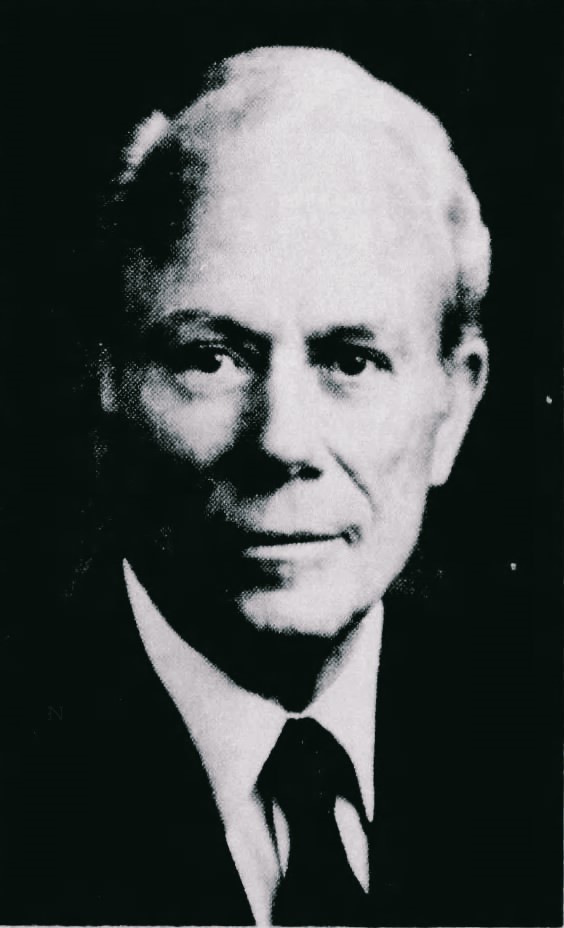
Daniel Kirkwood "Kirk" Fordice Jr. (/fɔːrdaɪs/; February 10, 1934 – September 7, 2004) was an American politician and businessman who served as the 61st governor of Mississippi from 1992 to 2000. A member of the Republican Party, he was the state's first governor elected to two consecutive four-year terms (following a 1987 amendment to the state constitution). He was the first Republican governor to serve in Mississippi since Adelbert Ames, who resigned in 1876.
A staunch conservative, Fordice ran on a pro-business, anti-crime, low-tax, "family values" platform. Fordice's tenure was marked by an extramarital affair, which led to his divorce from his wife of forty-four years, Pat Fordice.
Fordice first ran for governor in 1991, defeating Democratic incumbent Ray Mabus with nearly 51% of the vote, and was decisively reelected in 1995. He was term limited in 1999, and was succeeded by Ronnie Musgrove.
Daniel Kirkwood Fordice Jr. was born in Memphis, Tennessee, on February 10, 1934. He studied civil engineering at Purdue University, earning a bachelor's degree and a master's in 1956 and 1957, respectively. After graduation he served with the United States Army for two years. He remained in the Army Reserve until 1977, retiring with the rank of colonel.
Fordice eventually took control of his father's firm, Fordice Construction Company. In the 1960s he created a building division for the company, focusing on industrial structures, and in the 1980 he created a bridge division. Fordice's reliance on federal government contracts led him to involve himself in several construction trade groups. In 1974 he joined the executive committee of the Associated General Contractors of America. Holding various leadership positions in the group from 1988 to 1991 (serving the last two years as its president), he acted as a strong proponent of the construction industry and testified several times before U.S. congressional committees. He led the organization through several involved lawsuits aimed at ending minority and small business set-aside requirements for contracting, including City of Richmond v. J.A. Croson Co.. His activity in the trade groups increased his interest in politics.
Fordice joined the Republican Party during Barry Goldwater's 1964 presidential campaign. He chaired the Warren County organizations for Gil Carmichael's gubernatorial campaigns in the 1970s. In 1982 he was elected secretary of the Mississippi Republican Party and convinced the Associated General Contractors to publicly support Republican Haley Barbour in that year's United States Senate election in Mississippi.
In 1991 State Auditor Pete Johnson, a former Democrat, entered the 1991 Republican gubernatorial primary. He was challenged by Fordice and another candidate. While Johnson was treated as the frontrunner for much of the campaign, Fordice gradually built a skilled political organization. He characterized Johnson as a "professional politician". Fordice led in the first primary and defeated Johnson in an October runoff, taking 31,753 votes to Johnson's 20,622 votes. While he approached Republican leaders who had embraced Johnson early on with some suspicion, the party rallied around him for the general election.
In the general election Fordice faced Democratic incumbent Ray Mabus. Fordice declared his support for legislative term limits and welfare reform. He labeled Mabus a "Kennedyesque liberal" who focused too much on education and criticized his deficit spending. Republican-hosted focus groups found the governor to be "aloof" and unconcerned with the necessities of "average" Mississippians. Mabus continued to advocate support for public education and attack Fordice as a lobbyist and outside who did not appreciate the needs of the state. Later in the campaign, race became an issue, as Fordice declared his support for workfare and ending racial quotas. Mabus aired a series of television ads which accused Fordice of planning to shut down the state's historically black schools.
Hub AI
Kirk Fordice AI simulator
(@Kirk Fordice_simulator)
Kirk Fordice
Daniel Kirkwood "Kirk" Fordice Jr. (/fɔːrdaɪs/; February 10, 1934 – September 7, 2004) was an American politician and businessman who served as the 61st governor of Mississippi from 1992 to 2000. A member of the Republican Party, he was the state's first governor elected to two consecutive four-year terms (following a 1987 amendment to the state constitution). He was the first Republican governor to serve in Mississippi since Adelbert Ames, who resigned in 1876.
A staunch conservative, Fordice ran on a pro-business, anti-crime, low-tax, "family values" platform. Fordice's tenure was marked by an extramarital affair, which led to his divorce from his wife of forty-four years, Pat Fordice.
Fordice first ran for governor in 1991, defeating Democratic incumbent Ray Mabus with nearly 51% of the vote, and was decisively reelected in 1995. He was term limited in 1999, and was succeeded by Ronnie Musgrove.
Daniel Kirkwood Fordice Jr. was born in Memphis, Tennessee, on February 10, 1934. He studied civil engineering at Purdue University, earning a bachelor's degree and a master's in 1956 and 1957, respectively. After graduation he served with the United States Army for two years. He remained in the Army Reserve until 1977, retiring with the rank of colonel.
Fordice eventually took control of his father's firm, Fordice Construction Company. In the 1960s he created a building division for the company, focusing on industrial structures, and in the 1980 he created a bridge division. Fordice's reliance on federal government contracts led him to involve himself in several construction trade groups. In 1974 he joined the executive committee of the Associated General Contractors of America. Holding various leadership positions in the group from 1988 to 1991 (serving the last two years as its president), he acted as a strong proponent of the construction industry and testified several times before U.S. congressional committees. He led the organization through several involved lawsuits aimed at ending minority and small business set-aside requirements for contracting, including City of Richmond v. J.A. Croson Co.. His activity in the trade groups increased his interest in politics.
Fordice joined the Republican Party during Barry Goldwater's 1964 presidential campaign. He chaired the Warren County organizations for Gil Carmichael's gubernatorial campaigns in the 1970s. In 1982 he was elected secretary of the Mississippi Republican Party and convinced the Associated General Contractors to publicly support Republican Haley Barbour in that year's United States Senate election in Mississippi.
In 1991 State Auditor Pete Johnson, a former Democrat, entered the 1991 Republican gubernatorial primary. He was challenged by Fordice and another candidate. While Johnson was treated as the frontrunner for much of the campaign, Fordice gradually built a skilled political organization. He characterized Johnson as a "professional politician". Fordice led in the first primary and defeated Johnson in an October runoff, taking 31,753 votes to Johnson's 20,622 votes. While he approached Republican leaders who had embraced Johnson early on with some suspicion, the party rallied around him for the general election.
In the general election Fordice faced Democratic incumbent Ray Mabus. Fordice declared his support for legislative term limits and welfare reform. He labeled Mabus a "Kennedyesque liberal" who focused too much on education and criticized his deficit spending. Republican-hosted focus groups found the governor to be "aloof" and unconcerned with the necessities of "average" Mississippians. Mabus continued to advocate support for public education and attack Fordice as a lobbyist and outside who did not appreciate the needs of the state. Later in the campaign, race became an issue, as Fordice declared his support for workfare and ending racial quotas. Mabus aired a series of television ads which accused Fordice of planning to shut down the state's historically black schools.
Recent media