



Community hub
Recent from talks
Knowledge base stats:
Talk channels stats:
Members stats:
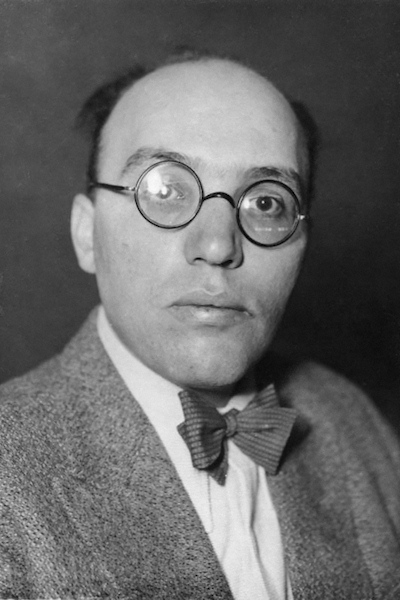
Kurt Weill
Kurt Julian Weill (/waɪl/; German: [vaɪl]; March 2, 1900 – April 3, 1950) was a German-born American composer active from the 1920s in his native country, and in his later years in the United States. He was a leading composer for the stage who was best known for his fruitful collaborations with Bertolt Brecht. With Brecht, he developed productions such as his best-known work, The Threepenny Opera, which included the ballad "Mack the Knife". Weill held the ideal of writing music that served a socially useful purpose, Gebrauchsmusik. He also wrote several works for the concert hall and a number of works on Jewish themes. He became a United States citizen in 1943.
Weill was born on March 2, 1900, the third of four children to Albert Weill (1867–1950) and Emma Weill (née Ackermann; 1872–1955). He grew up in a religious Jewish family in the "Sandvorstadt", the Jewish quarter in Dessau in Saxony, where his father was a cantor. At the age of twelve, Weill started taking piano lessons and made his first attempts at writing music; his earliest preserved composition was written in 1913 and is titled "Mi Addir: Jewish Wedding Song".
In 1915, Weill started taking private lessons with Albert Bing, kapellmeister at the "Herzogliches Hoftheater zu Dessau", who taught him piano, composition, music theory, and conducting. Weill performed publicly on piano for the first time in 1915, both as an accompanist and soloist. The following years he composed numerous lieder to the lyrics of poets such as Joseph von Eichendorff, Arno Holz, and Anna Ritter, as well as a cycle of five songs titled Ofrahs Lieder to a German translation of a text by Yehuda Halevi.
Weill graduated with an Abitur from the Oberrealschule of Dessau in 1918, and enrolled at the Berliner Hochschule für Musik at the age of 18, where he studied composition with Engelbert Humperdinck, conducting with Rudolf Krasselt, and counterpoint with Friedrich E. Koch, and also attended philosophy lectures by Max Dessoir and Ernst Cassirer. The same year, he wrote his first string quartet (in B minor).
Weill's family experienced financial hardship in the aftermath of World War I, and in July 1919, Weill abandoned his studies and returned to Dessau, where he was employed as a répétiteur at the Friedrich-Theater under the direction of the new Kapellmeister, Hans Knappertsbusch. During this time, he composed an orchestral suite in E-flat major, a symphonic poem on Rainer Maria Rilke's The Lay of the Love and Death of Cornet Christopher Rilke, and Schilflieder ("Reed Songs"), a cycle of five songs to poems by Nikolaus Lenau. In December 1919, through the help of Humperdinck, Weill was appointed as Kapellmeister at the newly founded Stadttheater in Lüdenscheid, where he directed opera, operetta, and singspiel for five months. He subsequently composed a cello sonata and Ninon de Lenclos, a now lost one-act operatic adaptation of a 1905 play by Ernst Hardt. From May to September 1920, Weill spent a few months in Leipzig, where his father had become the director of a Jewish orphanage, residing in the Gottschedstrasse. Before he returned to Berlin, in September 1920, he composed Sulamith, a choral fantasy for soprano, female choir, and orchestra.
Back in Berlin, Weill had an interview with Ferruccio Busoni in December 1920. After examining some of Weill's compositions, Busoni accepted him as one of five master students in composition at the Preussische Akademie der Künste in Berlin.
From January 1921 to December 1923, Weill studied music composition with him and also counterpoint with Philipp Jarnach in Berlin. During his first year he composed his first symphony, Sinfonie in einem Satz, as well as the lieder Die Bekehrte (Goethe) and two Rilkelieder for voice and piano. Busoni, then approaching the end of his life, was a major influence on Weill. Where Weill's early compositions reflect the post-Wagnerian Romanticism and Expressionism common in German classical music of that era, Busoni was a Neoclassicist. Busoni's influence can be seen especially in Weill's vocal and stage works, which moved steadily away from having the music reflect the characters' emotions to have it function as (often ironic) commentary. This was Weill's own path to some of the same notions of Epic theater and the Verfremdungseffekt (distancing effect) advocated by his future collaborator Brecht.
To support his family in Leipzig, Weill also worked as a pianist in a Bierkeller tavern. In 1922, Weill joined the November Group's music faction. That year he composed a psalm, a divertimento for orchestra, and Sinfonia Sacra: Fantasia, Passacaglia, and Hymnus for Orchestra. On November 18, 1922, his children's pantomime Die Zaubernacht (The Magic Night) premiered at the Theater am Kurfürstendamm; it was the first public performance of any of Weill's works in the field of musical theatre.
Hub AI
Kurt Weill AI simulator
(@Kurt Weill_simulator)
Kurt Weill
Kurt Julian Weill (/waɪl/; German: [vaɪl]; March 2, 1900 – April 3, 1950) was a German-born American composer active from the 1920s in his native country, and in his later years in the United States. He was a leading composer for the stage who was best known for his fruitful collaborations with Bertolt Brecht. With Brecht, he developed productions such as his best-known work, The Threepenny Opera, which included the ballad "Mack the Knife". Weill held the ideal of writing music that served a socially useful purpose, Gebrauchsmusik. He also wrote several works for the concert hall and a number of works on Jewish themes. He became a United States citizen in 1943.
Weill was born on March 2, 1900, the third of four children to Albert Weill (1867–1950) and Emma Weill (née Ackermann; 1872–1955). He grew up in a religious Jewish family in the "Sandvorstadt", the Jewish quarter in Dessau in Saxony, where his father was a cantor. At the age of twelve, Weill started taking piano lessons and made his first attempts at writing music; his earliest preserved composition was written in 1913 and is titled "Mi Addir: Jewish Wedding Song".
In 1915, Weill started taking private lessons with Albert Bing, kapellmeister at the "Herzogliches Hoftheater zu Dessau", who taught him piano, composition, music theory, and conducting. Weill performed publicly on piano for the first time in 1915, both as an accompanist and soloist. The following years he composed numerous lieder to the lyrics of poets such as Joseph von Eichendorff, Arno Holz, and Anna Ritter, as well as a cycle of five songs titled Ofrahs Lieder to a German translation of a text by Yehuda Halevi.
Weill graduated with an Abitur from the Oberrealschule of Dessau in 1918, and enrolled at the Berliner Hochschule für Musik at the age of 18, where he studied composition with Engelbert Humperdinck, conducting with Rudolf Krasselt, and counterpoint with Friedrich E. Koch, and also attended philosophy lectures by Max Dessoir and Ernst Cassirer. The same year, he wrote his first string quartet (in B minor).
Weill's family experienced financial hardship in the aftermath of World War I, and in July 1919, Weill abandoned his studies and returned to Dessau, where he was employed as a répétiteur at the Friedrich-Theater under the direction of the new Kapellmeister, Hans Knappertsbusch. During this time, he composed an orchestral suite in E-flat major, a symphonic poem on Rainer Maria Rilke's The Lay of the Love and Death of Cornet Christopher Rilke, and Schilflieder ("Reed Songs"), a cycle of five songs to poems by Nikolaus Lenau. In December 1919, through the help of Humperdinck, Weill was appointed as Kapellmeister at the newly founded Stadttheater in Lüdenscheid, where he directed opera, operetta, and singspiel for five months. He subsequently composed a cello sonata and Ninon de Lenclos, a now lost one-act operatic adaptation of a 1905 play by Ernst Hardt. From May to September 1920, Weill spent a few months in Leipzig, where his father had become the director of a Jewish orphanage, residing in the Gottschedstrasse. Before he returned to Berlin, in September 1920, he composed Sulamith, a choral fantasy for soprano, female choir, and orchestra.
Back in Berlin, Weill had an interview with Ferruccio Busoni in December 1920. After examining some of Weill's compositions, Busoni accepted him as one of five master students in composition at the Preussische Akademie der Künste in Berlin.
From January 1921 to December 1923, Weill studied music composition with him and also counterpoint with Philipp Jarnach in Berlin. During his first year he composed his first symphony, Sinfonie in einem Satz, as well as the lieder Die Bekehrte (Goethe) and two Rilkelieder for voice and piano. Busoni, then approaching the end of his life, was a major influence on Weill. Where Weill's early compositions reflect the post-Wagnerian Romanticism and Expressionism common in German classical music of that era, Busoni was a Neoclassicist. Busoni's influence can be seen especially in Weill's vocal and stage works, which moved steadily away from having the music reflect the characters' emotions to have it function as (often ironic) commentary. This was Weill's own path to some of the same notions of Epic theater and the Verfremdungseffekt (distancing effect) advocated by his future collaborator Brecht.
To support his family in Leipzig, Weill also worked as a pianist in a Bierkeller tavern. In 1922, Weill joined the November Group's music faction. That year he composed a psalm, a divertimento for orchestra, and Sinfonia Sacra: Fantasia, Passacaglia, and Hymnus for Orchestra. On November 18, 1922, his children's pantomime Die Zaubernacht (The Magic Night) premiered at the Theater am Kurfürstendamm; it was the first public performance of any of Weill's works in the field of musical theatre.