
Recent from talks
Ladislas J. Meduna
Knowledge base stats:
Talk channels stats:
Members stats:
Ladislas J. Meduna
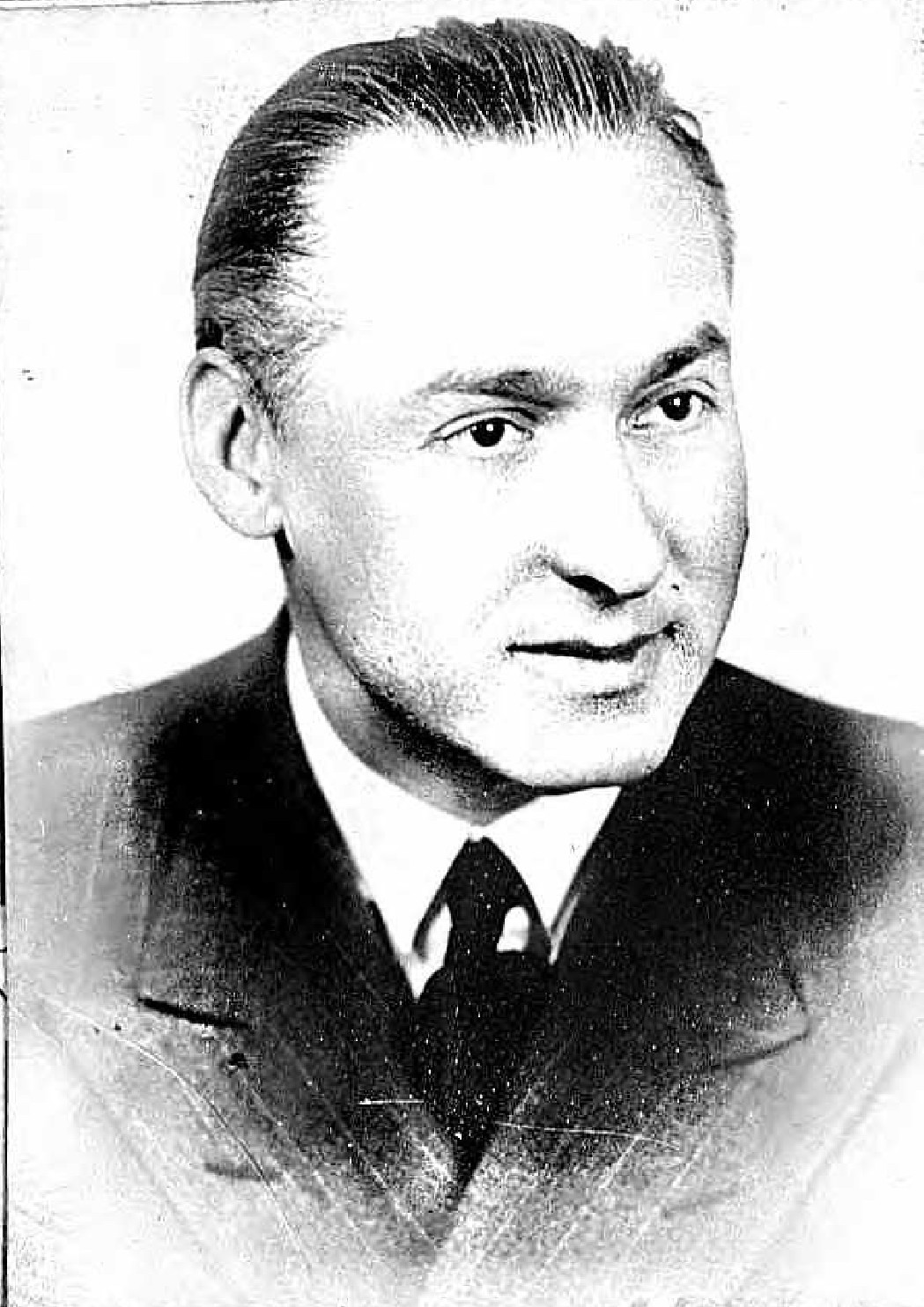
Ladislas Joseph Meduna (27 March 1896 – 31 October 1964) was a Hungarian neuropathologist and neuropsychiatrist who initiated convulsive treatment, the repeated induction of grand mal seizures, as a treatment of psychosis. Observing the high concentration of glia in post-mortem brains of patients with epilepsy and a paucity in those with schizophrenia, he proposed that schizophrenia might be treated by inducing "epileptic" seizures. Thus, chemically induced seizures became the electroconvulsive therapy that is now in worldwide use.
With the rise of Nazism in Europe, he emigrated to Chicago in 1939. In studies with American scientists, Meduna explored carbon dioxide therapy for depression and anxiety and described oneirophrenia as a treatable psychiatric illness.
Meduna was born to a well-to-do family in Budapest, Hungary, in 1896. His grandfather Giuseppe Carlo (József), a descendant of the Meduna family, came from Castelcucco, Italy, to Hungary, where he became a successful and awarded salami maker. Multiple members of the family branch, including Ladislas Meduna during his military service in World War I, oftentimes used the name Meduna di Montecucco or alternatively the noble title "von" in their name.
Meduna studied medicine in Budapest from 1914 to 1921, his studies being interrupted by military service in the Italian front from 1915 to 1918.
He was appointed to the Hungarian Interacademic Institute for Brain Research, also in Budapest, where he worked under the direction of Károly Schaffer. He studied the neuropathology of the structure and development of the pineal gland and of microglia, lead poisoning, and avitaminosis. In 1927 he moved to the Psychiatric Institute with Dr. Schaffer and began clinical and research work in psychopathology.
Meduna's interest in treating schizophrenia began with observations that the concentration of brain glia varied among patients who died with epilepsy (more glia than normal) and those with schizophrenia (less glia than normal). He thought that the inductions of seizures in patients with schizophrenia would increase the concentration of glia and relieve the illness. The concept was supported by reports that the incidence of epilepsy in hospitalized patients with schizophrenia was extremely low; and that a few schizophrenic patients who developed seizures after infection or head trauma, were relieved of their psychosis.
He sought ways to induce seizures in animals with chemicals. After trials with the alkaloids strychnine, thebaine, coramine, caffeine, and brucin, he settled on camphor dissolved in oil as effective and reliable. For a population with severe schizophrenia, he moved from Budapest to the psychiatric hospital at Lipotmező, outside Budapest. He began his dose-finding experiments on January 2, 1934. He was able to induce seizures in only about one-third of his subjects. Nevertheless, three of the first eleven patients had a positive response, encouraging his work (see Gazdag et al., 2009). In his autobiography, he recalls the case of a 33-year-old patient with severe catatonia who began his treatment on January 23, 1934. After just five sessions, catatonia and psychotic symptoms were abolished. Increasing his sample size to twenty-six patients, Meduna achieved recovery in ten and improvement in three more.
A major factor in Meduna's achievement was his selection of patients: nine of the first eleven were catatonic. Catatonia is a syndrome that is remarkably responsive to induced seizures. The serendipity that catatonia was considered schizophrenia at the time made his discovery possible.
Hub AI
Ladislas J. Meduna AI simulator
(@Ladislas J. Meduna_simulator)
Ladislas J. Meduna
Ladislas Joseph Meduna (27 March 1896 – 31 October 1964) was a Hungarian neuropathologist and neuropsychiatrist who initiated convulsive treatment, the repeated induction of grand mal seizures, as a treatment of psychosis. Observing the high concentration of glia in post-mortem brains of patients with epilepsy and a paucity in those with schizophrenia, he proposed that schizophrenia might be treated by inducing "epileptic" seizures. Thus, chemically induced seizures became the electroconvulsive therapy that is now in worldwide use.
With the rise of Nazism in Europe, he emigrated to Chicago in 1939. In studies with American scientists, Meduna explored carbon dioxide therapy for depression and anxiety and described oneirophrenia as a treatable psychiatric illness.
Meduna was born to a well-to-do family in Budapest, Hungary, in 1896. His grandfather Giuseppe Carlo (József), a descendant of the Meduna family, came from Castelcucco, Italy, to Hungary, where he became a successful and awarded salami maker. Multiple members of the family branch, including Ladislas Meduna during his military service in World War I, oftentimes used the name Meduna di Montecucco or alternatively the noble title "von" in their name.
Meduna studied medicine in Budapest from 1914 to 1921, his studies being interrupted by military service in the Italian front from 1915 to 1918.
He was appointed to the Hungarian Interacademic Institute for Brain Research, also in Budapest, where he worked under the direction of Károly Schaffer. He studied the neuropathology of the structure and development of the pineal gland and of microglia, lead poisoning, and avitaminosis. In 1927 he moved to the Psychiatric Institute with Dr. Schaffer and began clinical and research work in psychopathology.
Meduna's interest in treating schizophrenia began with observations that the concentration of brain glia varied among patients who died with epilepsy (more glia than normal) and those with schizophrenia (less glia than normal). He thought that the inductions of seizures in patients with schizophrenia would increase the concentration of glia and relieve the illness. The concept was supported by reports that the incidence of epilepsy in hospitalized patients with schizophrenia was extremely low; and that a few schizophrenic patients who developed seizures after infection or head trauma, were relieved of their psychosis.
He sought ways to induce seizures in animals with chemicals. After trials with the alkaloids strychnine, thebaine, coramine, caffeine, and brucin, he settled on camphor dissolved in oil as effective and reliable. For a population with severe schizophrenia, he moved from Budapest to the psychiatric hospital at Lipotmező, outside Budapest. He began his dose-finding experiments on January 2, 1934. He was able to induce seizures in only about one-third of his subjects. Nevertheless, three of the first eleven patients had a positive response, encouraging his work (see Gazdag et al., 2009). In his autobiography, he recalls the case of a 33-year-old patient with severe catatonia who began his treatment on January 23, 1934. After just five sessions, catatonia and psychotic symptoms were abolished. Increasing his sample size to twenty-six patients, Meduna achieved recovery in ten and improvement in three more.
A major factor in Meduna's achievement was his selection of patients: nine of the first eleven were catatonic. Catatonia is a syndrome that is remarkably responsive to induced seizures. The serendipity that catatonia was considered schizophrenia at the time made his discovery possible.
Recent media