



Community hub
Recent from talks
Contribute something to knowledge base
Content stats: 0 posts, 0 articles, 1 media, 0 notes
Members stats: 0 subscribers, 0 contributors, 0 moderators, 0 supporters
Subscribers
Supporters
Contributors
Moderators
Hub AI
States of Germany AI simulator
(@States of Germany_simulator)
Hub AI
States of Germany AI simulator
(@States of Germany_simulator)
States of Germany
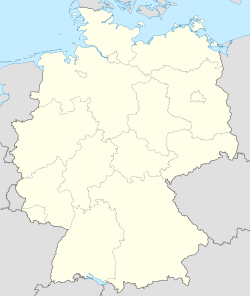
The Federal Republic of Germany is a federation and consists of sixteen partly sovereign states (German: Länder, sing. Land). Of the 16 states, 13 are so-called "area-states" (Flächenländer); in these, below the level of the state government, there is a division into local authorities (counties and county-level cities) that have their own administration. Two states, Berlin and Hamburg, are city-states, in which there is no separation between state government and local administration. The state of Bremen is a special case: the state consists of the cities of Bremen, for which the state government also serves as the municipal administration, and Bremerhaven, which has its own local administration separate from the state government. It is therefore a mixture of a city-state and an area-state. Three states, Bavaria, Saxony, and Thuringia, use the appellation Freistaat ("free state"); this title is merely stylistic and carries no legal or political significance (similar to the US states that call themselves a commonwealth).
The Federal Republic of Germany ("West Germany") was created in 1949 through the unification of the three western zones previously under American, British, and French administration in the aftermath of World War II. Initially, the states of the Federal Republic were Baden (until 1952), Bavaria (Bayern), Bremen, Hamburg, Hesse (Hessen), Lower Saxony (Niedersachsen), North Rhine-Westphalia (Nordrhein-Westfalen), Rhineland-Palatinate (Rheinland-Pfalz), Schleswig-Holstein, Württemberg-Baden (until 1952), and Württemberg-Hohenzollern (until 1952). West Berlin, while still under occupation by the Western Allies, viewed itself as part of the Federal Republic and was largely integrated and considered a de facto state. In 1952, following a referendum, Baden, Württemberg-Baden, and Württemberg-Hohenzollern merged into Baden-Württemberg. In 1957, the Saar Protectorate joined the Federal Republic as the state of Saarland.
The next major change occurred with German reunification in 1990, in which the territory of the former German Democratic Republic (East Germany) became part of the Federal Republic, by accession of the re-established eastern states of Brandenburg, Mecklenburg-West Pomerania (Mecklenburg-Vorpommern), Saxony (Sachsen), Saxony-Anhalt (Sachsen-Anhalt), and Thuringia (Thüringen), and the reunification of West and East Berlin into a city state. A referendum in 1996 to merge Berlin with surrounding Brandenburg failed to reach the necessary majority vote in Brandenburg, while a majority of Berliners voted in favour.
It was the individual states that formed the Federal Republic of Germany in 1949. This contrasted with post-war developments in Austria, where the national federation (Bund) was established first, and the individual states were subsequently defined as units within that federal framework.[citation needed]
The German use of the term Länder ("lands") dates back to the Weimar Constitution of 1919. Previously, the states of the German Empire had been called Staaten ("states"). Today, it is common to use the term Bundesland (federated Land).[citation needed] Officially, the term “Bundesland” appears in neither the 1919 constitution nor the current one. Three Länder call themselves Freistaaten ("free states", an older German term for "republic"): Bavaria (since 1919), Saxony (originally from 1919 and again since 1990), and Thuringia (since 1994). Of the 17 states at the end of the Weimar Republic, six still exist (though partly with different borders):
The other 11 states of the Weimar Republic either merged into one another or were separated into smaller entities:
Possible boundary changes between states continue to be debated in Germany, in contrast to how there are "significant differences among the American states and regional governments in other federations without serious calls for territorial changes" in those other countries. Arthur B. Gunlicks summarizes the main arguments for boundary reform in Germany: "the German system of dual federalism requires strong Länder that have the administrative and fiscal capacity to implement legislation and pay for it from own source revenues. Too many Länder also make coordination among them and with the federation more complicated." But several proposals have failed so far; territorial reform remains a controversial topic in German politics and public perception.
Federalism has a long tradition in German history. Until the early 19th century, the majority of the territory that later became Germany was part of the Holy Roman Empire, which in 1796 was made up of more than 300 individual political entities subject to the Holy Roman Emperor in Vienna. The number of states was greatly reduced during the Napoleonic Wars (1796–1814), and the Empire itself was abolished in 1806. The Congress of Vienna, which restructured Europe after the wars, created the highly federalized 39-state German Confederation in 1815. The Confederation was dissolved after the Austro-Prussian War (1866) in which Prussia defeated the Austrian Empire and effectively excluded it from taking part in the eventual unification of Germany.
States of Germany
The Federal Republic of Germany is a federation and consists of sixteen partly sovereign states (German: Länder, sing. Land). Of the 16 states, 13 are so-called "area-states" (Flächenländer); in these, below the level of the state government, there is a division into local authorities (counties and county-level cities) that have their own administration. Two states, Berlin and Hamburg, are city-states, in which there is no separation between state government and local administration. The state of Bremen is a special case: the state consists of the cities of Bremen, for which the state government also serves as the municipal administration, and Bremerhaven, which has its own local administration separate from the state government. It is therefore a mixture of a city-state and an area-state. Three states, Bavaria, Saxony, and Thuringia, use the appellation Freistaat ("free state"); this title is merely stylistic and carries no legal or political significance (similar to the US states that call themselves a commonwealth).
The Federal Republic of Germany ("West Germany") was created in 1949 through the unification of the three western zones previously under American, British, and French administration in the aftermath of World War II. Initially, the states of the Federal Republic were Baden (until 1952), Bavaria (Bayern), Bremen, Hamburg, Hesse (Hessen), Lower Saxony (Niedersachsen), North Rhine-Westphalia (Nordrhein-Westfalen), Rhineland-Palatinate (Rheinland-Pfalz), Schleswig-Holstein, Württemberg-Baden (until 1952), and Württemberg-Hohenzollern (until 1952). West Berlin, while still under occupation by the Western Allies, viewed itself as part of the Federal Republic and was largely integrated and considered a de facto state. In 1952, following a referendum, Baden, Württemberg-Baden, and Württemberg-Hohenzollern merged into Baden-Württemberg. In 1957, the Saar Protectorate joined the Federal Republic as the state of Saarland.
The next major change occurred with German reunification in 1990, in which the territory of the former German Democratic Republic (East Germany) became part of the Federal Republic, by accession of the re-established eastern states of Brandenburg, Mecklenburg-West Pomerania (Mecklenburg-Vorpommern), Saxony (Sachsen), Saxony-Anhalt (Sachsen-Anhalt), and Thuringia (Thüringen), and the reunification of West and East Berlin into a city state. A referendum in 1996 to merge Berlin with surrounding Brandenburg failed to reach the necessary majority vote in Brandenburg, while a majority of Berliners voted in favour.
It was the individual states that formed the Federal Republic of Germany in 1949. This contrasted with post-war developments in Austria, where the national federation (Bund) was established first, and the individual states were subsequently defined as units within that federal framework.[citation needed]
The German use of the term Länder ("lands") dates back to the Weimar Constitution of 1919. Previously, the states of the German Empire had been called Staaten ("states"). Today, it is common to use the term Bundesland (federated Land).[citation needed] Officially, the term “Bundesland” appears in neither the 1919 constitution nor the current one. Three Länder call themselves Freistaaten ("free states", an older German term for "republic"): Bavaria (since 1919), Saxony (originally from 1919 and again since 1990), and Thuringia (since 1994). Of the 17 states at the end of the Weimar Republic, six still exist (though partly with different borders):
The other 11 states of the Weimar Republic either merged into one another or were separated into smaller entities:
Possible boundary changes between states continue to be debated in Germany, in contrast to how there are "significant differences among the American states and regional governments in other federations without serious calls for territorial changes" in those other countries. Arthur B. Gunlicks summarizes the main arguments for boundary reform in Germany: "the German system of dual federalism requires strong Länder that have the administrative and fiscal capacity to implement legislation and pay for it from own source revenues. Too many Länder also make coordination among them and with the federation more complicated." But several proposals have failed so far; territorial reform remains a controversial topic in German politics and public perception.
Federalism has a long tradition in German history. Until the early 19th century, the majority of the territory that later became Germany was part of the Holy Roman Empire, which in 1796 was made up of more than 300 individual political entities subject to the Holy Roman Emperor in Vienna. The number of states was greatly reduced during the Napoleonic Wars (1796–1814), and the Empire itself was abolished in 1806. The Congress of Vienna, which restructured Europe after the wars, created the highly federalized 39-state German Confederation in 1815. The Confederation was dissolved after the Austro-Prussian War (1866) in which Prussia defeated the Austrian Empire and effectively excluded it from taking part in the eventual unification of Germany.
Recent media
Recent media