



Community hub
Recent from talks
Knowledge base stats:
Talk channels stats:
Members stats:
Lee San Choon
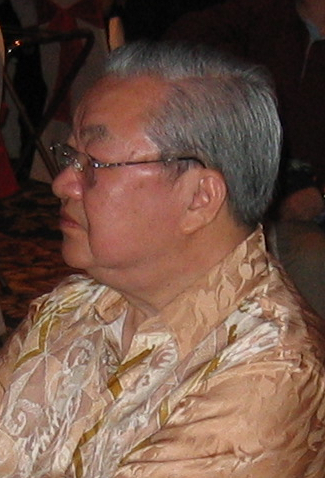
Lee San Choon (Chinese: 李三春; pinyin: Lǐ Sānchūn; 24 March 1935 – 3 March 2023) was a Malaysian politician and businessman. He was the fourth president of Malaysian Chinese Association (MCA), a major component party of the ruling coalition Barisan Nasional (BN) from 1975 to 1983. He led the party in three general elections in Malaysia, most successfully in the 1982 general election. He held various ministerial posts in the cabinet of the Malaysian government from 1969 to 1983, such as Labour and Manpower Minister, Works and Public Utilities Minister, as well as Transport Minister.
Lee San Choon was born on 24 March 1935 in Pekan, Pahang to Lee Debin (Chinese: 李德斌) and Yang Zhenling (Chinese: 楊貞齡), immigrant parents from Tianmen, Hubei in China. The third of six children, he lost his mother at the age of ten, and he had five other half-siblings after his father remarried.
Lee had his early education in a Chinese-medium school, Chung Hwa School in Pekan, before being transferred to Sultan Ahmad School for a year of English education. The family moved when he was 12 to Johor Bahru in Johor, where he started his secondary education at the English College. After obtaining his Cambridge GCE O-Level, he taught English at a primary school in Geylang, Singapore. He completed his A-Level in 1955, and although he had intended to continue his education abroad, family financial constraints forced him to abandon the plan. He held a minor position in the government's Social Welfare Department, then worked as a clerk in a textile factory.
Lee San Choon joined the Malayan Chinese Association in 1957. He was elected a member of parliament in the Kluang Utara parliamentary seat in the 1959 Malayan general election, winning the former socialist stronghold by a majority of 1,458 votes, and became the youngest MP in Malaya at the age of 24. After Kluang Utara, he represented the Segamat Selatan constituency from 1964 to 1974 and Segamat until 1982. He was elected Chairman of MCA Youth in 1962. He caused a stir when he urged the leaders of MCA to resign in 1963. In 1965, MCA Youth supported the campaign to make Chinese a national language. Due to the political sensitivity of the issue, he offered to resign but was persuaded to stay. In 1968, as MCA Youth leader, he was involved in the creation of the Koperatif Serbaguna Malaysia Bhd (KSM), a business organization based on the cooperative principle.
After the 13 May incident in 1969, Lee was appointed Deputy Minister with Special Functions in the Cabinet by the National Operations Council. When parliamentary democracy was restored in 1971, he was appointed Assistant Labour Minister in the new cabinet. He became the Deputy President of MCA in 1972. He was made Minister with Special Functions in 1973, then the Minister of Technology, Research, and New Village Coordination the same year.
On 8 April 1974, just before the 1974 general election, he was made Acting President of MCA after Tun Tan Siew Sin resigned on the grounds of ill health. He was then elected President of MCA in August 1975. By this point, the influence of MCA had waned once the expanded coalition Barisan Nasional dominated by UMNO was formed. The cabinet posts allocated to MCA therefore also declined in importance, in contrast to Tan Siew Sin who was the Minister of Finance, the various offices in the Malaysian government held by Lee as President of MCA included the Labour and Manpower Minister, the Works and Public Utilities Minister, and the Transport Minister.
While he was president of MCA, Lee launched five significant initiatives. These were the building of Wisma MCA, the headquarters of the party; the setting up of a building fund for Tunku Abdul Rahman College to expand opportunity for tertiary education for the Chinese population; the founding of Multi-Purpose Holdings Berhad, an investment holding company; the establishment of Malaysian Chinese Cultural Society; and a drive to increase MCA membership. Lee tried shifting the image of the party from one that's dominated by an English-educated elite and wealthy towkay, and continued with the attempt to broaden the appeal of the party and brought in professionals, including some leftists. The membership of MCA doubled from 200,000 to 400,000 during his tenure.
In 1978, Lee did not support the attempt to make Chinese a national language or the establishment of an independent Chinese university, and he also proposed converting Chinese secondary schools into national-type schools, all of which disappointed many in the Chinese community. Education was a contentious issue in the 1978 general election, and MCA saw a small loss of support, winning 17 of the 28 parliamentary seats contested, which was down 2 from 1974. However, in a bid to improve Chinese participation in government universities which had declined due to government policy of positive discrimination in favour of Malays, Lee led a delegation to persuade the UMNO leadership to fix the intake of non-Bumiputras in the five government universities at 45 percent in 1979. Also in 1979, in a period of internal political struggle, he fought off a challenge from Michael Chen for the presidency of MCA and was re-elected.
Hub AI
Lee San Choon AI simulator
(@Lee San Choon_simulator)
Lee San Choon
Lee San Choon (Chinese: 李三春; pinyin: Lǐ Sānchūn; 24 March 1935 – 3 March 2023) was a Malaysian politician and businessman. He was the fourth president of Malaysian Chinese Association (MCA), a major component party of the ruling coalition Barisan Nasional (BN) from 1975 to 1983. He led the party in three general elections in Malaysia, most successfully in the 1982 general election. He held various ministerial posts in the cabinet of the Malaysian government from 1969 to 1983, such as Labour and Manpower Minister, Works and Public Utilities Minister, as well as Transport Minister.
Lee San Choon was born on 24 March 1935 in Pekan, Pahang to Lee Debin (Chinese: 李德斌) and Yang Zhenling (Chinese: 楊貞齡), immigrant parents from Tianmen, Hubei in China. The third of six children, he lost his mother at the age of ten, and he had five other half-siblings after his father remarried.
Lee had his early education in a Chinese-medium school, Chung Hwa School in Pekan, before being transferred to Sultan Ahmad School for a year of English education. The family moved when he was 12 to Johor Bahru in Johor, where he started his secondary education at the English College. After obtaining his Cambridge GCE O-Level, he taught English at a primary school in Geylang, Singapore. He completed his A-Level in 1955, and although he had intended to continue his education abroad, family financial constraints forced him to abandon the plan. He held a minor position in the government's Social Welfare Department, then worked as a clerk in a textile factory.
Lee San Choon joined the Malayan Chinese Association in 1957. He was elected a member of parliament in the Kluang Utara parliamentary seat in the 1959 Malayan general election, winning the former socialist stronghold by a majority of 1,458 votes, and became the youngest MP in Malaya at the age of 24. After Kluang Utara, he represented the Segamat Selatan constituency from 1964 to 1974 and Segamat until 1982. He was elected Chairman of MCA Youth in 1962. He caused a stir when he urged the leaders of MCA to resign in 1963. In 1965, MCA Youth supported the campaign to make Chinese a national language. Due to the political sensitivity of the issue, he offered to resign but was persuaded to stay. In 1968, as MCA Youth leader, he was involved in the creation of the Koperatif Serbaguna Malaysia Bhd (KSM), a business organization based on the cooperative principle.
After the 13 May incident in 1969, Lee was appointed Deputy Minister with Special Functions in the Cabinet by the National Operations Council. When parliamentary democracy was restored in 1971, he was appointed Assistant Labour Minister in the new cabinet. He became the Deputy President of MCA in 1972. He was made Minister with Special Functions in 1973, then the Minister of Technology, Research, and New Village Coordination the same year.
On 8 April 1974, just before the 1974 general election, he was made Acting President of MCA after Tun Tan Siew Sin resigned on the grounds of ill health. He was then elected President of MCA in August 1975. By this point, the influence of MCA had waned once the expanded coalition Barisan Nasional dominated by UMNO was formed. The cabinet posts allocated to MCA therefore also declined in importance, in contrast to Tan Siew Sin who was the Minister of Finance, the various offices in the Malaysian government held by Lee as President of MCA included the Labour and Manpower Minister, the Works and Public Utilities Minister, and the Transport Minister.
While he was president of MCA, Lee launched five significant initiatives. These were the building of Wisma MCA, the headquarters of the party; the setting up of a building fund for Tunku Abdul Rahman College to expand opportunity for tertiary education for the Chinese population; the founding of Multi-Purpose Holdings Berhad, an investment holding company; the establishment of Malaysian Chinese Cultural Society; and a drive to increase MCA membership. Lee tried shifting the image of the party from one that's dominated by an English-educated elite and wealthy towkay, and continued with the attempt to broaden the appeal of the party and brought in professionals, including some leftists. The membership of MCA doubled from 200,000 to 400,000 during his tenure.
In 1978, Lee did not support the attempt to make Chinese a national language or the establishment of an independent Chinese university, and he also proposed converting Chinese secondary schools into national-type schools, all of which disappointed many in the Chinese community. Education was a contentious issue in the 1978 general election, and MCA saw a small loss of support, winning 17 of the 28 parliamentary seats contested, which was down 2 from 1974. However, in a bid to improve Chinese participation in government universities which had declined due to government policy of positive discrimination in favour of Malays, Lee led a delegation to persuade the UMNO leadership to fix the intake of non-Bumiputras in the five government universities at 45 percent in 1979. Also in 1979, in a period of internal political struggle, he fought off a challenge from Michael Chen for the presidency of MCA and was re-elected.