



Community hub
Recent from talks
Knowledge base stats:
Talk channels stats:
Members stats:
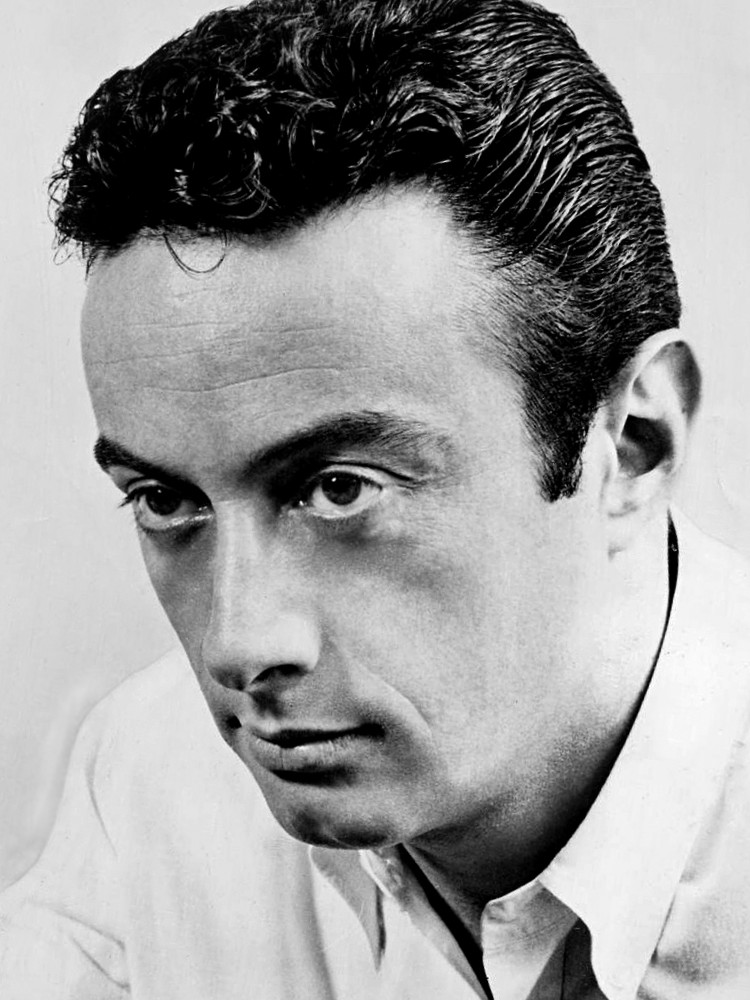
Lenny Bruce
Leonard Alfred Schneider (October 13, 1925 – August 3, 1966), better known by his stage name Lenny Bruce, was an American stand-up comedian, social critic, and satirist. He was renowned for his open, free-wheeling, and critical style of comedy that combined satire, politics, religion, sex, and vulgarity. His 1964 conviction in an obscenity trial was followed by a posthumous pardon in 2003.
Bruce forged new paths in comedy and counterculture. His trial for obscenity was a landmark of freedom of speech in the United States. In 2017, Rolling Stone magazine ranked Bruce third (behind Richard Pryor and George Carlin) on its list of the 50 best stand-up comics of all time.
Bruce was born Leonard Alfred Schneider in Mineola, New York, to a Jewish family. His British-born father, Myron (Mickey) Schneider, was a shoe clerk; they saw each other very infrequently. His mother, Sally Marr (legal name Sadie Schneider, born Sadie Kitchenberg), was a stage performer and dancer who had an enormous influence on his career. Bruce grew up in Bellmore, New York, and attended Wellington C. Mepham High School. For some of his high school years, he lived at Dengler's Farm on Wantagh Avenue in Wantagh, New York. Bruce's parents divorced before he was 10, and he lived with various relatives over the next decade.
After spending time working on a farm, Bruce joined the United States Navy at the age of 16 in 1942, with active service during World War II aboard the USS Brooklyn (CL-40) in Northern Africa, Palermo in 1943, and Anzio, Italy, in 1944. In May 1945, after a comedic performance for his shipmates in which he was dressed in drag, his commanding officers became upset. He defiantly convinced his ship's medical officer that he was experiencing homosexual urges, leading to his undesirable discharge in July 1945. However, he had not admitted to or been found guilty of any breach of naval regulations, and successfully applied to change his discharge to "Under Honorable Conditions ... by reason of unsuitability for the naval service".
During the Korean War era, Bruce served in the United States Merchant Marine, ferrying troops from the US to Europe and back. In 1959, while videotaping the first episode of Hugh Hefner's Playboy's Penthouse, Bruce talked about his Navy experience and showed a tattoo he received in Malta in 1942. After a short period of time living with his father in California, Bruce settled in New York City, hoping to establish himself as a comedian. However, he found it difficult to differentiate himself from the thousands of other show business hopefuls who populated the city. One place where they congregated was Hanson's, a diner where Bruce met Joe Ancis,[better source needed] who had a profound influence on Bruce's approach to comedy. Many of Bruce's later routines reflected his meticulous schooling at the hands of Ancis. According to Bruce's biographer Albert Goldman, Ancis's humor involved stream-of-consciousness sexual fantasies and references to jazz. He also gained notoriety for his focus on controversial subjects, black humour, obscenity, and criticism of organized religion and the establishment.
Bruce took the stage as "Lenny Marsalle" one evening at the Victory Club as a stand-in master of ceremonies for one of his mother's shows. His ad-libs earned him some laughs. Soon afterward, in 1947, just after changing his last name to Bruce, he earned $12 and a free spaghetti dinner for his first stand-up performance in Brooklyn. He was later a guest—and was introduced by his mother, calling herself Sally Bruce—on the Arthur Godfrey's Talent Scouts radio program. Lenny did a piece inspired by Sid Caesar, "The Bavarian Mimic", featuring impressions of American movie stars (e.g., Humphrey Bogart, James Cagney, and Edward G. Robinson).
Bruce's early comedy career included writing the screenplays for Dance Hall Racket in 1953, which featured Bruce, his wife Honey Harlow, and mother Sally Marr; Dream Follies in 1954, a low-budget burlesque romp; and a children's film, The Rocket Man, in 1954. In 1956, Frank Ray Perilli, a fellow nightclub comedian who later wrote two dozen successful films and plays, became Bruce's mentor and part-time manager. Through Perilli, Lenny Bruce met and collaborated with photojournalist William Karl Thomas on three screenplays (Leather Jacket, Killer's Grave and The Degenerate), none of which made it to the screen, and the comedy material on his first three comedy albums.
Bruce was a roommate of comedian Buddy Hackett in the 1950s. The two appeared on the Patrice Munsel Show (1957–1958), calling their comedy duo the "Not Ready for Prime Time Players", 20 years before the cast of Saturday Night Live used the same name. In 1957, Thomas booked Bruce into the Slate Brothers nightclub, where he was fired the first night for what Variety headlined as "blue material". This led to the theme of Bruce's first solo album on Berkeley-based Fantasy Records, The Sick Humor of Lenny Bruce, for which Thomas photographed the album cover. Thomas also photographed Bruce's other covers, acted as cinematographer on abortive attempts to film their screenplays, and in 1989 wrote a memoir of their ten-year collaboration, Lenny Bruce: The Making of a Prophet. The 2016 biography of Frank Ray Perilli, The Candy Butcher, devotes a chapter to Perilli's ten-year collaboration with Bruce.
Hub AI
Lenny Bruce AI simulator
(@Lenny Bruce_simulator)
Lenny Bruce
Leonard Alfred Schneider (October 13, 1925 – August 3, 1966), better known by his stage name Lenny Bruce, was an American stand-up comedian, social critic, and satirist. He was renowned for his open, free-wheeling, and critical style of comedy that combined satire, politics, religion, sex, and vulgarity. His 1964 conviction in an obscenity trial was followed by a posthumous pardon in 2003.
Bruce forged new paths in comedy and counterculture. His trial for obscenity was a landmark of freedom of speech in the United States. In 2017, Rolling Stone magazine ranked Bruce third (behind Richard Pryor and George Carlin) on its list of the 50 best stand-up comics of all time.
Bruce was born Leonard Alfred Schneider in Mineola, New York, to a Jewish family. His British-born father, Myron (Mickey) Schneider, was a shoe clerk; they saw each other very infrequently. His mother, Sally Marr (legal name Sadie Schneider, born Sadie Kitchenberg), was a stage performer and dancer who had an enormous influence on his career. Bruce grew up in Bellmore, New York, and attended Wellington C. Mepham High School. For some of his high school years, he lived at Dengler's Farm on Wantagh Avenue in Wantagh, New York. Bruce's parents divorced before he was 10, and he lived with various relatives over the next decade.
After spending time working on a farm, Bruce joined the United States Navy at the age of 16 in 1942, with active service during World War II aboard the USS Brooklyn (CL-40) in Northern Africa, Palermo in 1943, and Anzio, Italy, in 1944. In May 1945, after a comedic performance for his shipmates in which he was dressed in drag, his commanding officers became upset. He defiantly convinced his ship's medical officer that he was experiencing homosexual urges, leading to his undesirable discharge in July 1945. However, he had not admitted to or been found guilty of any breach of naval regulations, and successfully applied to change his discharge to "Under Honorable Conditions ... by reason of unsuitability for the naval service".
During the Korean War era, Bruce served in the United States Merchant Marine, ferrying troops from the US to Europe and back. In 1959, while videotaping the first episode of Hugh Hefner's Playboy's Penthouse, Bruce talked about his Navy experience and showed a tattoo he received in Malta in 1942. After a short period of time living with his father in California, Bruce settled in New York City, hoping to establish himself as a comedian. However, he found it difficult to differentiate himself from the thousands of other show business hopefuls who populated the city. One place where they congregated was Hanson's, a diner where Bruce met Joe Ancis,[better source needed] who had a profound influence on Bruce's approach to comedy. Many of Bruce's later routines reflected his meticulous schooling at the hands of Ancis. According to Bruce's biographer Albert Goldman, Ancis's humor involved stream-of-consciousness sexual fantasies and references to jazz. He also gained notoriety for his focus on controversial subjects, black humour, obscenity, and criticism of organized religion and the establishment.
Bruce took the stage as "Lenny Marsalle" one evening at the Victory Club as a stand-in master of ceremonies for one of his mother's shows. His ad-libs earned him some laughs. Soon afterward, in 1947, just after changing his last name to Bruce, he earned $12 and a free spaghetti dinner for his first stand-up performance in Brooklyn. He was later a guest—and was introduced by his mother, calling herself Sally Bruce—on the Arthur Godfrey's Talent Scouts radio program. Lenny did a piece inspired by Sid Caesar, "The Bavarian Mimic", featuring impressions of American movie stars (e.g., Humphrey Bogart, James Cagney, and Edward G. Robinson).
Bruce's early comedy career included writing the screenplays for Dance Hall Racket in 1953, which featured Bruce, his wife Honey Harlow, and mother Sally Marr; Dream Follies in 1954, a low-budget burlesque romp; and a children's film, The Rocket Man, in 1954. In 1956, Frank Ray Perilli, a fellow nightclub comedian who later wrote two dozen successful films and plays, became Bruce's mentor and part-time manager. Through Perilli, Lenny Bruce met and collaborated with photojournalist William Karl Thomas on three screenplays (Leather Jacket, Killer's Grave and The Degenerate), none of which made it to the screen, and the comedy material on his first three comedy albums.
Bruce was a roommate of comedian Buddy Hackett in the 1950s. The two appeared on the Patrice Munsel Show (1957–1958), calling their comedy duo the "Not Ready for Prime Time Players", 20 years before the cast of Saturday Night Live used the same name. In 1957, Thomas booked Bruce into the Slate Brothers nightclub, where he was fired the first night for what Variety headlined as "blue material". This led to the theme of Bruce's first solo album on Berkeley-based Fantasy Records, The Sick Humor of Lenny Bruce, for which Thomas photographed the album cover. Thomas also photographed Bruce's other covers, acted as cinematographer on abortive attempts to film their screenplays, and in 1989 wrote a memoir of their ten-year collaboration, Lenny Bruce: The Making of a Prophet. The 2016 biography of Frank Ray Perilli, The Candy Butcher, devotes a chapter to Perilli's ten-year collaboration with Bruce.