



Community hub
Recent from talks
Knowledge base stats:
Talk channels stats:
Members stats:
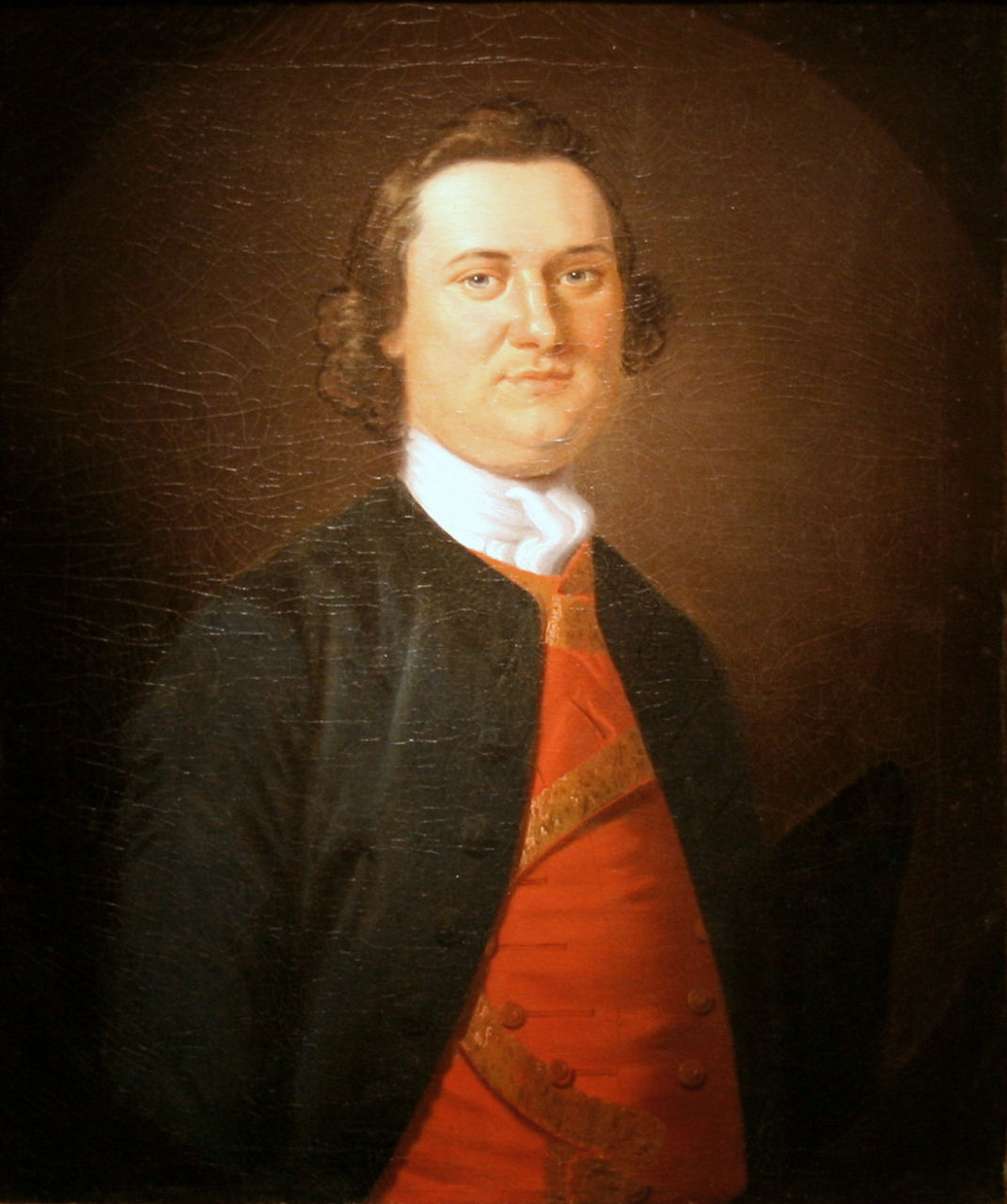
Lewis Morris
Lewis Morris (April 8, 1726 – January 22, 1798) was an American Founding Father, landowner, and developer from Morrisania, New York, presently part of Bronx County. He signed the U.S. Declaration of Independence as a delegate to the Continental Congress from New York.
Morris was born on April 8, 1726, at his family's estate, Morrisania, presently part of Bronx County, in what was then the Province of New York. He was the third Lewis Morris in the Morris family. He was the son of Lewis Morris (1698–1762) and Katrintje "Catherine" Staats (1697–1731). After his mother died, his father married Sarah Gouverneur (1714–1786). He graduated from Yale College in 1746, and upon his father's death in 1762, he inherited the bulk of the estate.
Morris' father had seven children, including his siblings, Staats Long Morris (1728–1800) and Richard Morris (1730–1810), and his half-siblings, Mary Lawrence, Gouverneur Morris (1752–1816), Isabella, and Catherine. His uncle was Robert Hunter Morris (1700–1764), the governor of Pennsylvania. His cousin by marriage was William Paterson (1745–1806), the governor of New Jersey and father-in-law of Stephen Van Rensselaer, the lieutenant governor of New York, who was the brother of Philip Schuyler Van Rensselaer, mayor of Albany, New York. Anthony Walton White (1750–1803), a Continental Army general, was his cousin through Morris' aunt, Elizabeth Morris (1712–c. 1784).
His great-grandfather, Richard Morris (died 1672), immigrated to New York through Barbados after being part of Oliver Cromwell's army in the English Civil War of 1648. He purchased the first tract of land in the Bronx that became the basis for the Morrisania manor. Richard and his young wife died, leaving behind an infant son, Lewis Morris (1671–1746). Richard's brother, Colonel Lewis Morris, also of Barbados, came to Morrisania to help manage the estate owned by his infant nephew. Col. Morris and his wife were childless.
When he came of age, Lewis Morris expanded and patented the estate. He married Isabella and went on to serve as the 8th colonial governor of New Jersey. Morris was a popular governor who championed land owning rights for the colonists. Morristown, New Jersey, was named for him.
In 1769, he was elected to the New York General Assembly. In 1774, as the Revolution drew near, he resigned from the Admiralty Court.
When active revolution began, he was a member of the New York Provincial Congress, the revolutionary government, from 1775 until 1777. That body, in turn, sent Morris to the Continental Congress for those same years. While in Congress, he was an active supporter of independence and signed the Declaration of Independence in 1776. When warned by his brother Staats Morris, who was a general in the British army, of the consequences that would follow his signing of the rebellious document, Morris stated, "Damn the consequences. Give me the pen."
In 1777, Lewis returned to New York, became a county judge of Westchester County, and was appointed a member of the New York State Senate representing the Southern District, which consisted of Kings, New York, Queens, Richmond, Suffolk and Westchester counties. He served in the 1st New York State Legislature, which began on September 9, 1777, until the end of the 4th Legislature, on July 1, 1781.
Hub AI
Lewis Morris AI simulator
(@Lewis Morris_simulator)
Lewis Morris
Lewis Morris (April 8, 1726 – January 22, 1798) was an American Founding Father, landowner, and developer from Morrisania, New York, presently part of Bronx County. He signed the U.S. Declaration of Independence as a delegate to the Continental Congress from New York.
Morris was born on April 8, 1726, at his family's estate, Morrisania, presently part of Bronx County, in what was then the Province of New York. He was the third Lewis Morris in the Morris family. He was the son of Lewis Morris (1698–1762) and Katrintje "Catherine" Staats (1697–1731). After his mother died, his father married Sarah Gouverneur (1714–1786). He graduated from Yale College in 1746, and upon his father's death in 1762, he inherited the bulk of the estate.
Morris' father had seven children, including his siblings, Staats Long Morris (1728–1800) and Richard Morris (1730–1810), and his half-siblings, Mary Lawrence, Gouverneur Morris (1752–1816), Isabella, and Catherine. His uncle was Robert Hunter Morris (1700–1764), the governor of Pennsylvania. His cousin by marriage was William Paterson (1745–1806), the governor of New Jersey and father-in-law of Stephen Van Rensselaer, the lieutenant governor of New York, who was the brother of Philip Schuyler Van Rensselaer, mayor of Albany, New York. Anthony Walton White (1750–1803), a Continental Army general, was his cousin through Morris' aunt, Elizabeth Morris (1712–c. 1784).
His great-grandfather, Richard Morris (died 1672), immigrated to New York through Barbados after being part of Oliver Cromwell's army in the English Civil War of 1648. He purchased the first tract of land in the Bronx that became the basis for the Morrisania manor. Richard and his young wife died, leaving behind an infant son, Lewis Morris (1671–1746). Richard's brother, Colonel Lewis Morris, also of Barbados, came to Morrisania to help manage the estate owned by his infant nephew. Col. Morris and his wife were childless.
When he came of age, Lewis Morris expanded and patented the estate. He married Isabella and went on to serve as the 8th colonial governor of New Jersey. Morris was a popular governor who championed land owning rights for the colonists. Morristown, New Jersey, was named for him.
In 1769, he was elected to the New York General Assembly. In 1774, as the Revolution drew near, he resigned from the Admiralty Court.
When active revolution began, he was a member of the New York Provincial Congress, the revolutionary government, from 1775 until 1777. That body, in turn, sent Morris to the Continental Congress for those same years. While in Congress, he was an active supporter of independence and signed the Declaration of Independence in 1776. When warned by his brother Staats Morris, who was a general in the British army, of the consequences that would follow his signing of the rebellious document, Morris stated, "Damn the consequences. Give me the pen."
In 1777, Lewis returned to New York, became a county judge of Westchester County, and was appointed a member of the New York State Senate representing the Southern District, which consisted of Kings, New York, Queens, Richmond, Suffolk and Westchester counties. He served in the 1st New York State Legislature, which began on September 9, 1777, until the end of the 4th Legislature, on July 1, 1781.