Hubbry Logo
Lightning injuryLightning injuryMain
Open search
Lightning injury
Community hub
Lightning injury
logo
8 pages, 0 posts
0 subscribers
Be the first to start a discussion here.
Lightning injury
Lightning injury
from Wikipedia

Lightning injury
Other namesEffects of lightning
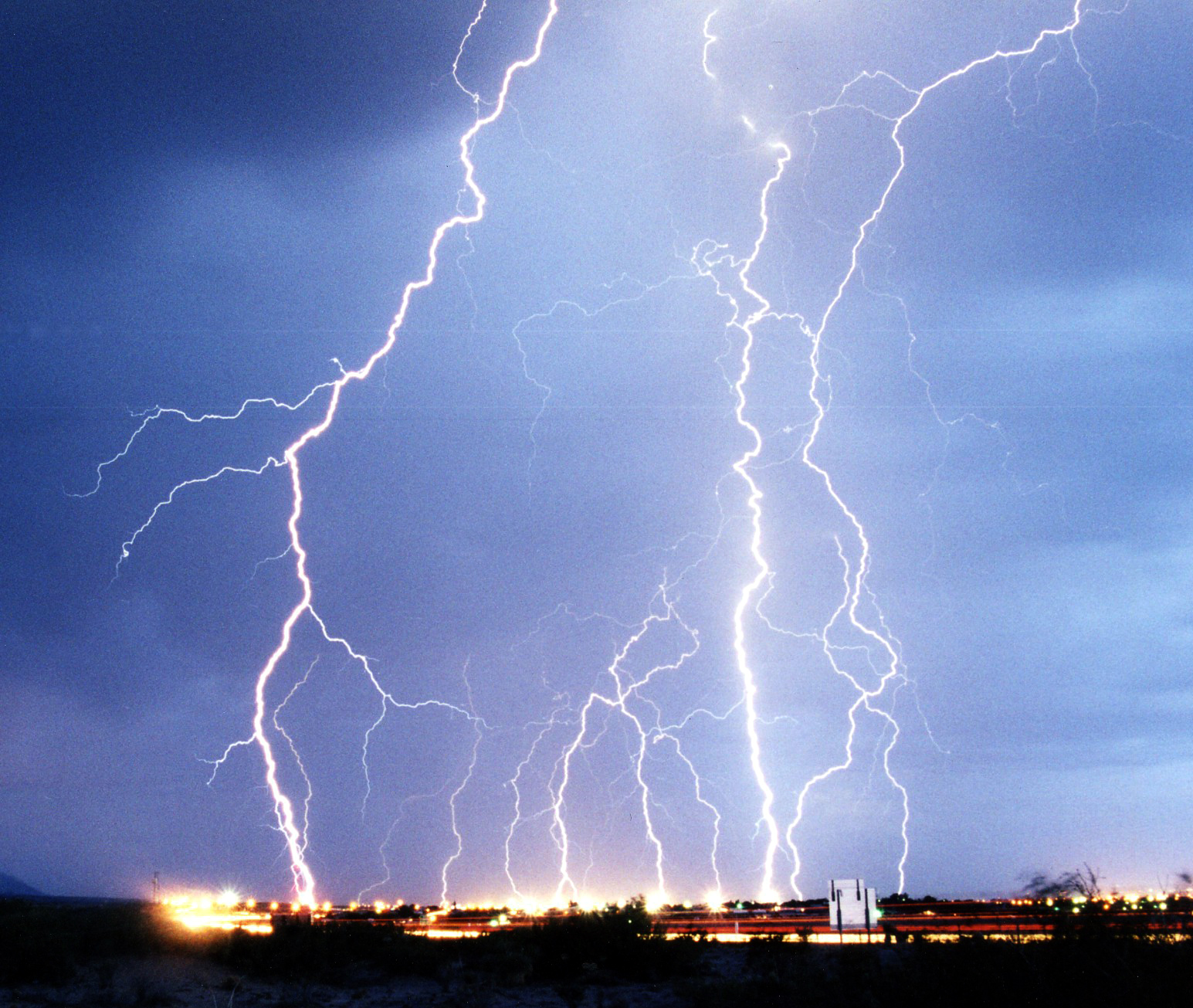
Multiple lightning bolts strike a populated area.
SpecialtyEmergency medicine
TypesDirect strikes, side splash, contact injury, ground current[1]
CausesLightning strike[1]
Diagnostic methodBased on history of the injury and examination[1]
PreventionAvoiding the outdoors during a thunderstorm;[2] sheltering in a fully-enclosed structure;[3] if still outdoors, assuming 'lightning position' before a strike[3]
TreatmentCPR, artificial ventilation[1]
Frequency240,000 a year[1]
Deaths24,000 a year[1]

Lightning injuries occur when someone is struck by lightning.[4] Initial symptoms may include heart asystole and respiratory arrest.[1] While the asystole may spontaneously resolve fairly rapidly, the respiratory arrest is typically more prolonged.[1] Other symptoms may include burns and blunt injuries.[1] Of those who survive, about 75% have ongoing health problems as a result, such as cataracts and hearing loss.[1] If death occurs it is typically from either an abnormal heart rhythm or respiratory failure.[1]

Lightning injuries are divided into direct strikes, side splash, contact injury, and ground current.[1] Ground current occurs when the lightning strikes nearby and travels to the person through the ground.[1] Side splash makes up about a third of cases and occurs when lightning strikes nearby and jumps through the air to the person.[1] Contact injury occurs when the person is touching the object that is hit.[1] Direct strikes make up about 5% of injuries.[1] The mechanism of the injuries may include electrical injury, burns from heat, and mechanical trauma.[1] Diagnosis is typically based on history of the injury and examination.[1]

Prevention includes avoiding being outdoors during a thunderstorm, and sheltering in a fully enclosed structure (such a closed building or metal car).[2][5] If being outdoors is unavoidable, bringing the feet and knees together is recommended (if possible, while crouching low in the 'lightning position'— crouched low, hands over ears, feet touching if possible) so as to provide only one point of contact with the ground.[2][5] When indoors the use of devices connected to electrical outlets and contact with water is not recommended.[2] Among those who appear in cardiac arrest and have no central pulse, cardiopulmonary resuscitation (CPR) should be started.[1] In those who have a central pulse but are not breathing artificial ventilation, such as mouth to mouth, is recommended.[1][6]

As of 2019, it has been estimated that lightning injuries occur 240,000 times a year with 24,000 deaths.[1] Areas with mountainous terrain and moisture-heavy airflow, such as Central Africa, have the highest rates of lightning strikes.[3] Among pregnant women who are hit by lightning, the death of the fetus occurs in about half.[1] In the United States, about 1 in 10,000 people are hit by lightning during their lifetime.[1] Males are affected four times more often than females.[1] The age group most commonly affected is 20 to 45 years old.[1]

Signs and symptoms

[edit]
A person who was affected by a nearby lightning strike. Note the slight branching redness traveling up the victim's leg from the effects of the current.

Common injuries caused by lightning include: muscle pains, broken bones, cardiac arrest, confusion, hearing loss, seizures, burns, behavioral changes, and ocular cataracts.[4][3] Loss of consciousness is very common immediately after a strike.[7]

Lightning burns result from energy caused by lightning strikes, and are characterized by a unique pattern of skin lesions. These tree-like lesions resemble feathering or ferning, and are also called Lichtenberg figures.[8] The marks are formed when capillaries beneath the skin rupture due to the electrical discharge and they usually appear "within hours" of the strike though they tend to disappear within a few days. They also generally occur on the upper body.[9] The brief duration of the exposure frequently limits the damage to the outer layer of skin.[10]

The intense heat generated by a lightning strike can burn tissue, and cause lung damage, and the chest can be damaged by the mechanical force of rapidly expanding heated air.[4]

Just as heat can cause expanding air in the lungs, the explosive shock wave created by lightning (the cause of thunder) can cause concussive and hearing damage at extremely close range. Other physical injury can be caused by objects damaged or thrown by the lightning strike. For example, lightning striking a nearby tree may vaporize sap, and the steam explosion often causes bark and wood fragments to be explosively ejected.

Lightning strikes can also induce a transient paralysis known as 'keraunoparalysis'.[3] Signs and symptoms of keraunoparalysis include lack of pulse, pallor or cyanosis, and motor and sensory loss in the extremities. However, keraunoparalysis usually resolves within a few hours.[3]

Pathophysiology

[edit]

Although the current flow of a lightning strike occurs only over a short period, the current has an extremely high voltage of some 30 million volts.[11] Lightning is neither a DC or an AC current but best described as a unidirectional massive current impulse of electrons.[11]

Lightning strikes are grouped into four categories: direct strikes, side splash, contact injury, and ground current.[1]

  • Direct strike: lightning directly hits the person
    • Orifice entry: may occur if lightning strike occurs near the head entering eyes, ears and mouth to flow internally
  • Side splash: lightning jumps from the location of primary strike to a nearby person
  • Contact injury: injury that occurs when a person is touching an object on the pathway of lightning
  • Ground current: lightning strikes nearby and the current travels through the ground to the person

Lightning injury may occur by these electrical mechanisms or by secondary blunt trauma as a result of the strike.[12]

Diagnosis

[edit]

Diagnosis is typically based on history of the injury and examination.[1]

Prevention

[edit]

Preventing lightning injury involves avoiding being outdoors during a thunderstorm.[2][3] While no place is entirely safe from lightning strikes, it is recommended to seek shelter in a substantial, fully-enclosed building (preferably with electrical attachments and plumbing) or a closed metal vehicle, such as a car.[3][5][13] If being outdoors is unavoidable, staying away from metal objects (including fencing and power lines), sheets of water (ponds, lakes, etc.), tall structures, and open, exposed areas (including high ground, hills, etc.) is strongly recommended.[2][3] It is dangerous to shelter under isolated trees, cliffs or other rocks.[2] Lying on the ground is also dangerous.[2] When a lightning strike seems imminent, a 'lightning position' can be taken by "sitting or crouching with knees and feet close together to create only one point of contact with the ground" (with the feet off the ground if sitting; if standing is necessary, the feet have to be touching).[5] Signs of an impending strike nearby can include a crackling sound, sensations of static electricity in the hair or skin, the standing of hair on end, the pungent smell of ozone, or the appearance of a blue haze around persons or objects (St. Elmo's fire).[14][3] For large groups of people, it is recommended that individuals spread out to avoid mass casualties.[3][13] When indoors, the use of devices connected to electrical outlets and contact with water is discouraged.[2]

In the United States, recreational fishing poses the greatest risk of death from lightning of any activity, accounting for 10 percent of all lightning deaths between 2006 and 2019.[15]

Organized groups and individuals are encouraged to prepare lightning safety plans in advance.[3] Specific tips are available for various situations, such as outdoor recreation, boating and other water activities, and organized sporting events.[2]

Treatment

[edit]

Immediate

[edit]

The most critical injuries are cardiac arrest and respiratory failure. This will often require prompt emergency care.[7] It is safe to provide care immediately, as the affected person will not retain an electrical charge after the lightning has struck, contrary to popular belief.[6][16]

Many people who are unconscious and appear lifeless die of suffocation.[5] Chances of survival may be increased if cardiopulmonary resuscitation (CPR) is started immediately, and continued without interruption until return of spontaneous circulation (ROSC).[17]

Long-term

[edit]

A complete physical examination by paramedics or physicians may reveal ruptured eardrums. Ocular cataracts may later develop, sometimes more than a year after an otherwise uneventful recovery. Long-term injuries are usually neurological in nature, including memory deficit, mood disturbance, and fatigue.[18][19]

Prognosis

[edit]

Approximately 10% of lightning strikes are lethal.[1] Survivors of lightning strike may suffer long-term injury or disability.[20]

Epidemiology

[edit]

Worldwide, it is estimated that lightning injuries occur 240,000 times a year with 24,000 deaths.[1] Among pregnant women who are hit by lightning, the death of the fetus occurs in about half.[1] In the United States about 1 in 10,000 people are hit by lightning during their lifetime.[1] Males are affected four times more often than females.[1] The age group most commonly affected is 20 to 45 years old.[1]

References

[edit]
[edit]
Revisions and contributorsEdit on WikipediaRead on Wikipedia
from Grokipedia
Lightning injury is the physical trauma inflicted on the human body by a lightning strike, which delivers an immense electrical discharge—up to 10 million volts and 30,000 to 110,000 amperes—for a duration of 1/1000 to 1/10 of a second, often causing immediate cardiac and respiratory arrest, thermal burns, blunt force trauma, and neurological impairments. These injuries can occur through direct strikes (affecting about 5% of cases), side splashes (33%), ground currents (50%), or contact with struck objects, leading to a range of acute and chronic effects that affect multiple organ systems. Globally, lightning strikes result in estimates of 6,000 to 24,000 deaths and up to 240,000 injuries each year, with mortality rates varying from 10% to 30% depending on the strike type and promptness of medical intervention; in the United States, approximately 20 people die annually from lightning (as of 2015–2024), while nearly 90% of victims survive, though many experience lifelong disabilities, with fatalities declining from over 40 annually in earlier decades due to improved safety awareness. Strikes predominantly affect males aged 20 to 45, with an average victim age of 37, and occur most frequently during afternoon thunderstorms from May to September in the Northern Hemisphere. Notably, about one-third of U.S. injuries happen indoors, often near open windows or plumbing. The pathophysiology involves of cell membranes, massive heat generation causing superficial burns (such as linear or punctate patterns and feathering known as Lichtenberg figures), from explosive pressure waves, and disruption of the central and peripheral nervous systems, including transient keraunoparalysis—a temporary that resolves within hours. Cardiovascular effects are prominent, with initial or leading to sudden death in fatal cases, while survivors may develop arrhythmias or myocardial damage. Neurological manifestations include loss of , seizures, , and long-term issues like memory loss or , affecting up to 74% of survivors with permanent . Ocular injuries, such as cataracts or retinal damage, and auditory trauma, including ruptured eardrums in 50-80% of cases and , are also common. Immediate treatment prioritizes , for , and reverse in mass casualty scenarios—treating the most critically injured first, unlike standard protocols—followed by wound care for burns and evaluation for or . Long-term management involves multidisciplinary care, including , , and rehabilitation, with pregnant patients requiring fetal monitoring if beyond 20 weeks . Prevention focuses on the "30-30 rule": seeking if thunder is heard within 30 seconds of a flash and waiting 30 minutes after the last thunder before resuming outdoor activities, alongside avoiding conductive objects and open areas during storms.

Overview

Definition

Lightning injury is defined as the physical harm to a resulting from contact with a discharge, which imparts enormous and causes multifaceted damage through , , and mechanical mechanisms. The effects arise from the rapid conversion of to heat, leading to superficial burns such as linear or punctate lesions, while electrical effects disrupt cellular membranes and induce immediate cardiac or . Mechanical trauma stems from the explosive shockwave of the strike, potentially causing blunt force injuries, tympanic membrane rupture, or contusions from falls or propelled debris. A lightning strike typically delivers voltages exceeding 10 million volts—often reaching up to 100 million volts or more—and currents ranging from 30,000 to 110,000 amperes, though upper limits can approach 200,000 amperes in extreme cases. These values far surpass household electricity but are delivered over an extraordinarily brief duration, typically lasting microseconds (e.g., 4-6 μs through the body in direct strikes), distinguishing lightning injuries from other forms of electrical trauma. In contrast to high-voltage electrical injuries, which involve prolonged contact with sources like power lines and result in deep tissue necrosis, , and due to sustained current flow through the body, lightning primarily produces flash-over phenomena where arcs along the skin's surface, minimizing internal conduction but maximizing superficial and systemic effects like neurologic stunning. Lightning injuries also include indirect exposures, such as ground currents (accounting for about 50% of cases, where dissipates through the from a nearby strike) and side splashes (around 33%, involving transfer from a struck object), as well as blast effects from thunder's pressure wave that can rupture organs or cause without direct contact.

Types of strikes

Lightning injuries occur through several distinct mechanisms by which the electrical discharge interacts with the , each characterized by different pathways of energy transfer and relative frequencies. These mechanisms are classified based on the proximity and nature of the , with most injuries resulting from indirect rather than contact. Understanding these types is essential for assessing risk and severity, as exposure typically involves greater dissipation compared to indirect pathways. A direct strike happens when lightning channels directly into a person, often targeting the highest point such as the head, and represents the rarest mechanism, comprising only 3-5% of lightning injuries. This type delivers the highest energy transfer—up to 200 kiloamperes and millions of volts—passing through the body and frequently causing immediate cardiac and , with high fatality rates. It is more common in open areas where individuals are isolated protrusions. Side flash, also known as side splash, occurs when lightning strikes a nearby object (such as a or ) and a portion of the current jumps to a person in close proximity, accounting for approximately 30% of . The energy follows the from the struck object, resulting in variable severity depending on the and conductivity involved; victims often survive but may sustain burns or neurological effects. This mechanism is prevalent in grouped settings under tall objects. Ground current, or , is the most common type, responsible for 40-50% of lightning injuries, where the strike hits the ground or a nearby object, creating a radial voltage gradient that flows outward through the . This affects individuals standing on the ground, with current entering one leg and exiting the other, potentially causing muscle or cardiac disruption; it often leads to mass casualties in open fields or during group activities. The risk is heightened when feet are apart, amplifying the potential difference. Contact injury arises when a person is touching an object—such as a metal fence, wire, or plumbing—that is directly struck by lightning, comprising about 3-5% of cases. The current conducts through the object and into the body, with energy transfer depending on the material's conductivity and contact duration; this can mimic direct strike effects but is limited by the object's role as an intermediary. Upward streamer injury involves an electrical leader or streamer originating from the ground or a person toward the descending lightning channel, without necessarily completing the circuit, and accounts for 15-20% of injuries. Even if the streamer does not form part of the full lightning flash, it can deliver sufficient current to cause harm, often in scenarios where individuals are near the strike point; this mechanism explains some cases of injury without visible flash contact. Blast injury results from the explosive shockwave generated by the rapid heating and expansion of air during a nearby , akin to a small , leading to such as ruptured eardrums or pulmonary contusions. Though not quantified separately in prevalence statistics, it contributes to non-electrical injuries in close-proximity events and can occur alongside other mechanisms.

Mechanisms

Pathophysiology

Lightning injury involves the transfer of massive electrical energy—exceeding 10 million volts and 30,000 to 110,000 amperes—from a to the , resulting in diverse biophysical and biological insults that damage tissues through multiple concurrent mechanisms. The primary electrical effect is , where electrical current generates heat in conductive tissues according to the formula Q=I2RtQ = I^2 R t (with QQ as heat energy, II as current, RR as tissue resistance, and tt as exposure time), leading to rapid superheating of fluids and cells. This can vaporize intracellular water, causing explosive expansion and rupture of cell membranes, particularly in areas of high conductivity like blood vessels and . Thermal damage manifests predominantly as superficial flash burns from arcing across the skin or of sweat and moisture, creating linear or punctate patterns; deep burns are uncommon (<5% of cases) because the strike's duration is extremely brief (typically microseconds to milliseconds), limiting penetration. In the cardiovascular system, the high-amplitude current propagates through the myocardium, inducing simultaneous of all cardiac myocytes and thereby causing transient as the initial rhythm disturbance; may follow if the current disrupts , potentially leading to . Neurological injury arises from the electrical surge overwhelming neuronal membranes, causing widespread and immediate cessation of neural signaling, which can result in global brain dysfunction or focal lesions such as intracranial hemorrhages in the and . A characteristic phenomenon, keraunoparalysis, involves transient of the limbs (often lower extremities) attributed to acute sympathetic discharge, , and ischemia rather than structural damage. Mechanical forces contribute through the shockwave generated by the explosive expansion of superheated air (reaching 30,000°C), producing akin to a , including contusions to organs, tympanic membrane rupture, or ; secondary from falls or violent muscle contractions is also common.

Injury patterns

Lightning injuries produce distinctive patterns of physical damage due to the massive electrical discharge, thermal effects, and associated with a strike. These patterns vary depending on the type of strike and the victim's position but commonly involve superficial changes rather than deep tissue destruction seen in high-voltage electrical injuries. Burn patterns in lightning injuries are typically superficial and include linear burns, punctate burns, and feathering or Lichtenberg figures. Linear burns appear as partial-thickness streaks on moist areas, such as the chest, , or axillae, resulting from the of sweat along the path of the current. Punctate burns manifest as small, circular, gray-white lesions clustered on the skin, often marking points where the current exits deeper tissues. Feathering, also known as Lichtenberg figures or arborescent markings, presents as transient, fern-like or branching erythematous patterns on the skin, which are for lightning exposure; these are not true burns but rather rupture-induced extravasations that resolve without scarring within hours to days. Musculoskeletal injuries arise from the electrical current's direct disruption of muscle fibers, leading to characterized by muscle breakdown and release of into the bloodstream, often presenting as with dark, cola-colored urine. This can progress to if untreated. may develop secondary to extensive muscle swelling and , particularly in the limbs, necessitating prompt in severe cases to prevent irreversible tissue . Ocular injuries result primarily from photothermal effects and mechanical forces, with cataracts being the most common manifestation, often bilateral and developing weeks to years post-strike due to lens protein coagulation or metabolic disruption. Retinal damage includes macular holes, , vitreous hemorrhage, and injury, which can lead to permanent vision loss if the current passes through or near the visual pathway. Auditory injuries stem from the explosive of the strike, frequently causing tympanic membrane rupture in 50% to 80% of survivors, which may result in ; ossicular chain disruption or sensorineural can also occur but is less common. Lightning strikes often involve multi-system damage, with approximately 75% of survivors experiencing neurologic involvement as part of broader central and peripheral effects, alongside the aforementioned injuries. Unique patterns include rare entry wounds at the strike site, typically superficial burns on the head or shoulders, and manifesting as punctate lesions or the "tip-toe" on the feet, indicating grounding points; these differ from due to the superficial nature of lightning current. Arboreal markings, synonymous with feathering, further distinguish lightning from other traumas.

Clinical Presentation

Signs and symptoms

Lightning strikes often result in immediate cardiopulmonary compromise, including cardiac and , with often outlasting the return of cardiac function, as well as and seizures stemming from disruption. These effects arise from the high-voltage current disrupting normal physiological processes, leading to or in severe cases. Dermatologic signs are typically superficial and painless, manifesting as linear burns from vaporized sweat or punctate lesions at entry and exit points, often accompanied by singed hair due to thermal exposure. Auditory trauma includes and ruptured tympanic membranes in 50-80% of cases, while ocular injuries such as temporary vision loss from or injury, and cataracts, are also frequent. Post-resuscitation, may show and , reflecting autonomic instability and . Behavioral changes are common in the acute phase, with occurring in approximately 75% of survivors due to or direct neuronal damage, along with agitation. These manifestations can mimic post-concussive states, including disorientation and altered mental status. Notably, many symptoms may have a delayed onset, emerging hours to days after the strike. Dermatologic findings, such as feathering or Lichtenberg figures, provide diagnostic clues but are often transient.

Neurologic complications

Neurologic injuries are among the most common and severe consequences of lightning strikes, affecting the majority of survivors, with up to 74% experiencing permanent and representing the primary cause of mortality following initial cardiac due to hypoxic . The nervous system's low electrical resistance makes it particularly vulnerable, leading to widespread damage across central, peripheral, and autonomic components. Central nervous system complications include , (often in the or ), and resulting from vascular spasm. These arise from the massive electrical surge disrupting the blood-brain barrier, causing , hemorrhage, and neuronal damage through direct thermal and electromechanical effects. In severe cases, this can progress to , seizures, or permanent brain injury. Peripheral nerve involvement manifests as neuropathy or a Guillain-Barré-like syndrome, characterized by ascending , sensory deficits, and areflexia, as reported in case studies where symptoms emerged days after the strike. These result from demyelination and axonal injury due to the lightning's high-voltage current. A distinctive acute phenomenon is keraunoparalysis, a transient typically affecting the lower extremities, accompanied by mottled skin, pallor, and sensory loss from intense and sympathetic overdrive. It usually resolves spontaneously within hours to days without residual deficits, attributed to catecholamine release and spinal rather than structural damage. Long-term sequelae often include cognitive deficits such as memory impairment and problems, alongside a significant prevalence of (PTSD) in around 30% of survivors, stemming from both the trauma and persistent neurologic changes. These effects underscore the need for ongoing neuropsychological evaluation in affected individuals.

Diagnosis

Initial evaluation

Upon arrival at the scene of a suspected , emergency responders must first ensure scene safety before approaching victims, as ongoing risk or other hazards may persist. Initial assessment follows protocols, prioritizing the airway, breathing, and circulation (ABCs) to address immediate life threats such as apnea, , or . In mass casualty scenarios involving multiple victims, reverse is employed, treating those with apparent cardiorespiratory arrest first due to their higher potential for successful compared to those with minor injuries. The emphasizes initiating (CPR) rapidly and prolonging efforts even if victims appear deceased, as may resolve spontaneously and good neurologic outcomes have been reported after extended . History-taking relies heavily on witness accounts, including the type of (e.g., , side splash, or ground current), duration of loss of , and any associated events like falls or blasts that could indicate . Physical examination begins with a rapid head-to-toe survey, checking for entry and exit marks such as linear burns, punctate lesions, or feathering patterns on the skin, particularly in moist areas like the or axillae. Pulses should be assessed in all extremities to detect or vascular injury, and spinal immobilization is applied if altered mental status or trauma is suspected. An electrocardiogram (ECG) is performed immediately on all victims to evaluate for arrhythmias, conduction abnormalities, or ischemic changes, serving as a baseline for ongoing cardiac monitoring, which is continued for at least 4 to 24 hours depending on findings. Laboratory tests include (CK) levels to screen for , electrolytes to assess for imbalances from fluid shifts or myolysis, and for if muscle injury is evident. Neurologic evaluation during the exam may reveal transient deficits like keraunoparalysis, but detailed assessment follows stabilization.

Imaging and tests

Computed tomography (CT) and (MRI) are essential for evaluating potential , , or injuries in patients with lightning strikes who present with altered mental status, loss of consciousness, or focal neurologic deficits. CT is often the initial modality due to its availability and speed in detecting acute bleeds or fractures, while MRI is preferred for identifying subtle neurologic changes such as abnormalities or that may not be visible on CT. In cases of suspected keraunoparalysis—a transient mimicking spinal injury—spinal imaging with CT or MRI is indicated to rule out structural damage. Although most findings in lightning injury survivors are normal, a low threshold for these studies is recommended, as occult injuries can occur even in initially patients. Electroencephalography (EEG) may be considered to detect subclinical seizures or encephalopathic changes, particularly in patients with persistent confusion or unexplained altered following a . These seizures may not manifest clinically but can contribute to neurologic deterioration if undetected. EEG is typically performed later in the course for high-risk cases with ongoing symptoms. Echocardiography plays a key role in assessing myocardial contusion or dysfunction, especially in patients with abnormal electrocardiograms, , or evidence of during the event. It can reveal wall motion abnormalities, reduced , or other indicators of transient , which are more common in direct strikes but often resolve with supportive care. Urinalysis, including dipstick testing for , is recommended to screen for and associated renal risk, as can lead to through tubular obstruction. Although is rare in lightning injuries compared to high-voltage electrical burns, early detection allows for preventive measures like hydration to mitigate renal complications. Audiometry is indicated to evaluate for hearing deficits, which occur in up to 50% of lightning survivors and may include sensorineural loss or conductive impairment from tympanic rupture. These tests help quantify the extent of audiovestibular damage, often presenting as bilateral high-frequency loss. Ophthalmologic examination, including slit-lamp evaluation and fundoscopy, is crucial for detecting visual impairments such as cataracts, macular burns, or retinal detachments, which can develop immediately or delayed by months to years post-injury. Lightning's thermal and photic effects contribute to these deficits, with cataracts being the most common long-term affecting . Overall, these imaging and diagnostic tests are vital for uncovering occult injuries even in cases where initial clinical assessment appears reassuring, guiding appropriate monitoring and intervention.

Prevention

Personal strategies

Individuals can significantly reduce their risk of lightning injury by following established safety guidelines, particularly the National Oceanic and Atmospheric Administration's (NOAA) slogan: "When thunder roars, go indoors." This principle emphasizes seeking shelter at the first sound of thunder, as lightning can strike up to 10 miles from the storm's core. A key tool for assessing immediate danger is the 30-30 rule: if the time between seeing a lightning flash and hearing thunder is 30 seconds or less, the storm is close enough (within approximately 6 miles) to pose a threat, and safe shelter should be sought immediately. Additionally, remain indoors for at least 30 minutes after the last thunderclap to ensure the storm has passed. During thunderstorms, avoid locations that increase vulnerability to strikes, such as open fields, bodies of water like lakes or pools, and proximity to tall or isolated objects including trees, flagpoles, or hilltops. These areas heighten the risk because lightning tends to follow the to the ground, often striking the highest points or conductive surfaces. Instead, prioritize moving away from such hazards toward lower, enclosed areas if is not immediately available. Safe shelters include fully enclosed, substantial buildings with wiring and (such as four walls, a roof, and doors) or hard-topped with windows up, where the metal frame acts as a to direct electrical current around occupants. Structures like tents, shelters, or open pavilions do not provide adequate protection and should be avoided. If caught in a group outdoors, members should separate by at least 50 feet to minimize the risk of multiple injuries from a single ground current strike, which can spread through the and affect in close proximity. Regarding personal items, remove metal jewelry, watches, or other conductive accessories if possible, as they do not attract but can heat up and cause burns upon a nearby strike. Similarly, avoid using umbrellas or holding metal objects like clubs or rods, which can conduct and increase risk. While not a primary , these items exacerbate harm in the event of a strike. Public education efforts, including NOAA's long-standing lightning safety awareness campaigns since the , have played a crucial role in risk reduction. These initiatives, promoted through National Lightning Safety Week and widespread media outreach, have contributed to approximately a 50% decline in U.S. lightning fatalities, from an average of around 60 deaths per year in the to about 20-30 annually in recent decades.

Environmental measures

Lightning protection systems (LPS) are engineered structures designed to intercept lightning strikes and safely conduct electrical energy to the ground, thereby safeguarding buildings, occupants, and surrounding areas from , explosion, and structural damage. These systems typically consist of air terminals (commonly known as lightning rods) installed at the highest points of a structure to attract strikes, down conductors that provide a low-resistance path for the current, grounding electrodes buried in the earth to dissipate the charge, and surge protective devices (SPDs) or arrestors to protect electrical systems from transient overvoltages. The (NFPA) 780 standard outlines comprehensive installation requirements for such systems, emphasizing materials, spacing, and testing to ensure reliability in protecting both property and human life from lightning hazards. In recreational settings like sports fields, environmental measures focus on establishing safe zones and protocols to delay or suspend outdoor activities during thunderstorms, minimizing exposure to direct and ground current strikes. Guidelines recommend suspending play immediately upon hearing thunder or seeing lightning, with activities resuming only after a 30-minute period following the last observed flash or sound, as this allows storms to pass safely. Organizations such as the (NCAA) and the National Athletic Trainers' Association (NATA) advocate for these "30/30 rules" in athletics, including the designation of indoor facilities or fully enclosed vehicles as safe shelters to evacuate participants promptly. Urban planning incorporates lightning risk reduction through vegetation management and infrastructure design to limit strike vulnerabilities in populated areas. Regular tree trimming and maintenance are essential to mitigate risks, as tall, isolated trees can act as strike attractors and increase the chance of side flashes or ground currents affecting nearby pedestrians or structures; arboricultural guidelines emphasize pruning to reduce height and canopy density while preserving urban greenery. In high-risk zones, elevated walkways and pathways are planned to avoid low-lying flood-prone areas and open exposures, helping to separate people from ground-level currents during strikes. These strategies form part of broader tree risk management programs that integrate lightning hazards into municipal forestry plans. Occupational environmental measures address lightning hazards in high-exposure professions through site-specific protections and adherence to international standards. For firefighters responding in stormy conditions, guidelines stress avoiding elevated or open terrains, seeking low-lying areas away from tall objects, and using vehicles as temporary shields while monitoring via integrated alert systems. Golf course operators, where open fairways heighten risks, implement detection networks and designated shelters compliant with IEC 62305, which provides a framework (Part 2) and physical guidelines (Part 3) for outdoor facilities, including bonding of metallic elements and early warning sirens to evacuate players. These standards ensure that shelters and equipment zones minimize step and touch voltages, protecting workers and visitors. On a global scale, recommendations for rural areas with high lightning strike density—such as parts of , where annual flash densities exceed 50 strikes per square kilometer—emphasize community-level infrastructure to create safe evacuation zones. Strategies include installing basic LPS on communal buildings like schools and clinics, promoting early warning systems via radio or mobile alerts, and designating lightning-resilient gathering spots away from open fields or tall vegetation. While the (WHO) integrates these into broader frameworks for injury prevention, collaborative efforts with agencies like the highlight the need for affordable grounding in remote regions to curb fatalities from indirect strikes. The effectiveness of these environmental measures is well-documented, with properly installed LPS significantly reducing from lightning-induced fires and explosions in protected structures, according to insurance and analyses. By preventing structural failures and electrical surges, such systems also indirectly lower rates, as evidenced by decreased reports of burns and electrocutions in equipped facilities during high-activity seasons.

Treatment

Immediate interventions

Upon witnessing a lightning strike involving multiple victims, emergency responders should employ a "reverse triage" approach, prioritizing those in over those with apparent , as the former have a higher likelihood of successful due to the transient nature of the electrical insult. Immediate assessment of airway, breathing, and circulation is essential, with initiated without delay if spontaneous circulation is absent. Resuscitation efforts focus on restoring cardiac and respiratory function rapidly. If the victim is pulseless, (CPR) should commence immediately, emphasizing high-quality chest compressions and ventilations; cardiac rhythm should be analyzed promptly using an (AED), with administered for (VF) or pulseless (VT). Unlike typical cardiac arrests, lightning-induced or VF often responds well to these interventions, with survival rates approaching 70% when CPR and are provided without delay, even after prolonged downtime. Ventilation support takes precedence if persists after cardiac recovery, as apnea can lead to secondary cardiovascular collapse. For victims exhibiting signs of rhabdomyolysis—such as elevated levels or —aggressive fluid resuscitation is critical to prevent . Initial intravenous administration of isotonic saline at 1.5 L per hour in adults is recommended, targeting a output of at least 200-300 mL per hour, with adjustments based on hemodynamic status and renal function. This approach mitigates muscle breakdown products from causing renal tubular damage, though overhydration must be avoided in patients without significant fluid losses. Wound care begins with thorough inspection for burns, which are often superficial but may involve linear or punctate patterns; devitalized tissue should be debrided promptly to reduce risk, followed by with saline and application of sterile dressings. prophylaxis is administered based on vaccination history and wound : a tetanus toxoid booster for those with prior , or tetanus immune plus toxoid for inadequately immunized individuals with tetanus-prone wounds. Antibiotics are not routinely indicated unless secondary is evident. Airway management requires vigilance for compromise due to , facial edema, or burns; endotracheal is indicated for unresponsive patients or those with impending airway obstruction from soft-tissue swelling, ensuring cervical spine immobilization given the potential for associated trauma. Early advanced airway placement, such as via endotracheal tube, facilitates effective ventilation and protects against aspiration. All victims, particularly those with loss of consciousness, , or abnormal initial electrocardiograms, warrant (ICU) admission for continuous monitoring for at least 24-48 hours to detect delayed arrhythmias, myocardial dysfunction, or neurologic deterioration. , serial electrocardiograms, and guide ongoing assessment. Treatment protocols adapt (ATLS) principles for lightning injuries, treating victims as multisystem trauma patients with spinal precautions, full exposure for hidden injuries, and systematic evaluation of head, chest, abdomen, and extremities. This includes rapid transport to a capable of managing potential blunt force equivalents from blast effects or falls. As of 2025, core treatment guidelines, including reverse and fluid resuscitation protocols, remain consistent with established standards.

Long-term care

Long-term care for lightning injury survivors focuses on rehabilitation and ongoing to address persistent neurologic, psychological, and physical sequelae following initial stabilization. Neurologic rehabilitation typically involves to manage neuropathy, which affects many survivors due to damage from the electrical surge. is also essential for addressing impairments such as memory loss and slowed processing speed, often resulting from diffuse brain injury akin to . These interventions aim to improve daily functioning, with multidisciplinary teams including neurologists and therapists tailoring programs to individual needs. Chronic , common among survivors, requires specialized strategies, including medications like gabapentinoids and tricyclic antidepressants, alongside non-pharmacologic approaches such as nerve blocks or . This pain often stems from small fiber neuropathy or central sensitization triggered by the . Persistent symptoms can significantly impact , necessitating regular monitoring to adjust treatments and prevent secondary complications like depression. Psychological support is critical, as (PTSD) affects a significant number of survivors due to the traumatic nature of the event and its aftermath. Counseling, such as cognitive-behavioral therapy, helps mitigate symptoms like anxiety, flashbacks, and avoidance behaviors. Support groups, including the Lightning Strike and Electric Shock Survivors International (LSESSI), provide peer connections and resources for emotional recovery. These groups facilitate sharing experiences and coping strategies, reducing isolation among survivors. Follow-up care includes annual neurologic examinations to monitor for delayed complications like seizures or progressive neuropathy. Ophthalmologic screening for cataracts is recommended, as they can develop months to years post-injury due to thermal effects on the lens, even in individuals. Routine assessments help detect issues early and guide interventions. Vocational rehabilitation programs assist survivors in returning to work, addressing cognitive and physical limitations through skills , workplace accommodations, and gradual reintegration. These structured efforts, often coordinated with occupational therapists, improve employment outcomes for those facing disabilities from the injury. Emerging advances include trials of hyperbaric oxygen therapy (HBOT) for recovery from brain injuries similar to those seen in lightning survivors, which increases oxygen delivery to damaged tissues and shows promise in reducing cognitive deficits in traumatic brain injury. Ongoing research evaluates HBOT's efficacy in mitigating long-term neurologic effects, though larger studies specific to lightning injuries are needed.

Prognosis

Short-term outcomes

Lightning injuries carry a of 10% to 30%, with the majority of fatalities occurring immediately or within the first hour due to from or . Up to 70% of survivors experience significant short-term morbidity, with many requiring hospitalization to manage acute complications. Common complications include (ARDS) from respiratory paralysis and acute renal failure secondary to and . Outcomes are influenced by the type of strike and immediate response measures. Direct strikes, which account for only about 5% of incidents, carry the highest mortality risk compared to indirect mechanisms like ground current or side splash. Prompt bystander (CPR) can significantly improve survival, particularly in cases of lightning-induced , by restoring circulation before irreversible damage occurs. For survivors, the average hospital stay ranges from 1 to 2 weeks, depending on the severity of organ involvement and resolution of acute issues. Discharge typically occurs once vital signs are stable, electrocardiographic abnormalities have resolved, and there are no active complications such as ongoing renal dysfunction or respiratory support needs.

Long-term effects

Survivors of lightning injuries often experience persistent neurologic deficits, affecting up to 74% of cases and leading to long-term disability. These may include chronic pain syndromes, neurocognitive impairments such as memory loss and attention deficits, and encephalopathy resembling dementia-like symptoms, which can manifest weeks to months post-injury and require ongoing management. Peripheral nerve damage and atypical seizures further contribute to balance issues, dizziness, and sleep disturbances, significantly impacting daily functioning. Many survivors also experience long-term psychological effects, including post-traumatic stress disorder (PTSD), depression, and anxiety, which can exacerbate overall disability. Cardiovascular complications can endure beyond the acute phase, with an elevated risk of arrhythmias such as , , and QT prolongation observed in survivors. These abnormalities, reported in at least 50% of monitored cases, may resolve over weeks to months but necessitate prolonged electrocardiographic follow-up to prevent life-threatening events. Dermatologic sequelae primarily involve scarring from thermal s, which occur in a minority of cases but can be disfiguring and require reconstructive interventions. There is also a reported predisposition to skin malignancies, including a documented instance of arising in scars (), though broader carcinogenic links remain unestablished. Socioeconomic burdens are profound, with long-term disability in 70-75% of survivors leading to frequent disability claims and elevated unemployment rates, often around 20% or higher due to cognitive and physical limitations. In males, fertility may be compromised by possible testicular damage from electrical conduction, resulting in reduced sperm production or hormonal disruptions, akin to effects seen in other high-voltage injuries. Among initial survivors, approximately 90% achieve long-term survival exceeding 10 years with appropriate medical management, though many contend with chronic sequelae.

Epidemiology

Global incidence

Lightning injuries and fatalities represent a significant global concern, with estimates indicating approximately 24,000 deaths and 240,000 injuries occurring annually worldwide. These figures are derived from extrapolations based on reported data from various regions, accounting for both direct strikes and indirect effects such as ground currents. Precise global tracking remains challenging due to inconsistencies in reporting systems, particularly in underreported developing countries, where limited medical fails to capture many cases, especially non-fatal injuries in remote areas. In the United States, the annual average of lightning fatalities has declined to around 28 deaths per year from 2006 to 2021, with recent years averaging about 20, a substantial reduction from several hundred deaths annually in the early 1900s. This decrease is attributed to increased public awareness campaigns, improved , and urbanization that reduces exposure to outdoor risks during storms. Despite this progress, the U.S. still reports hundreds of non-fatal injuries each year, underscoring the persistent threat in high-activity areas like the southeastern states. Lightning activity is particularly intense in tropical regions, with hotspots in and experiencing flash densities exceeding 50 strikes per square kilometer per year. For instance, the in and the region in record some of the highest rates globally, often surpassing 200 flashes per square kilometer annually, driven by convective thunderstorms in humid equatorial climates. These areas contribute disproportionately to the global burden, as frequent strikes overlap with densely populated rural communities engaged in . Emerging trends linked to suggest an increase in strikes. A 2014 study projected an increase of about 12% for every 1 °C rise in global temperature. Recent research indicates potential increases in activity in certain regions, such as the . This rise is expected to amplify injury risks in vulnerable regions, particularly as higher temperatures fuel more intense .

Risk factors

The lifetime risk of death by lightning strike in the United States is approximately 1 in 200,000, based on about 20 annual deaths in a population of around 340 million over an average lifespan of 80 years. Lightning injuries disproportionately affect certain demographic groups. Over 80% of victims are , with the highest incidence occurring among individuals aged 20 to 45 years. Rural workers, such as farmers and those in , face elevated risks due to prolonged exposure in open fields and construction sites. Specific activities significantly increase vulnerability. Participation in , including golfing, fishing, and boating, accounts for a substantial portion of incidents, as these often place individuals in open or water-adjacent areas during thunderstorms. Farming and other agricultural work similarly heighten risk through extended time in rural, exposed environments. Geographic factors play a critical role in exposure. High-altitude regions and areas prone to convective storms, such as mountainous terrains, experience higher strike densities due to atmospheric conditions that favor development. In the United States, states like and report the most fatalities, reflecting regional frequency. Behavioral patterns contribute to many avoidable injuries. Ignoring warnings or delaying shelter-seeking during storms increases danger, as does clustering in groups, which can lead to multiple casualties from a single strike via ground current. Alcohol consumption, while not a direct , impairs judgment and heightens risk by reducing awareness of impending storms. No direct comorbidities predispose individuals to lightning injury, but preventive interventions can mitigate risks. Targeted on lightning safety, such as recognizing storm signs and seeking shelter promptly, has been shown to prevent the majority of injuries through behavioral change.

References

Add your contribution
Related Hubs
User Avatar
No comments yet.