
Recent from talks
Lion Feuchtwanger
Knowledge base stats:
Talk channels stats:
Members stats:
Lion Feuchtwanger
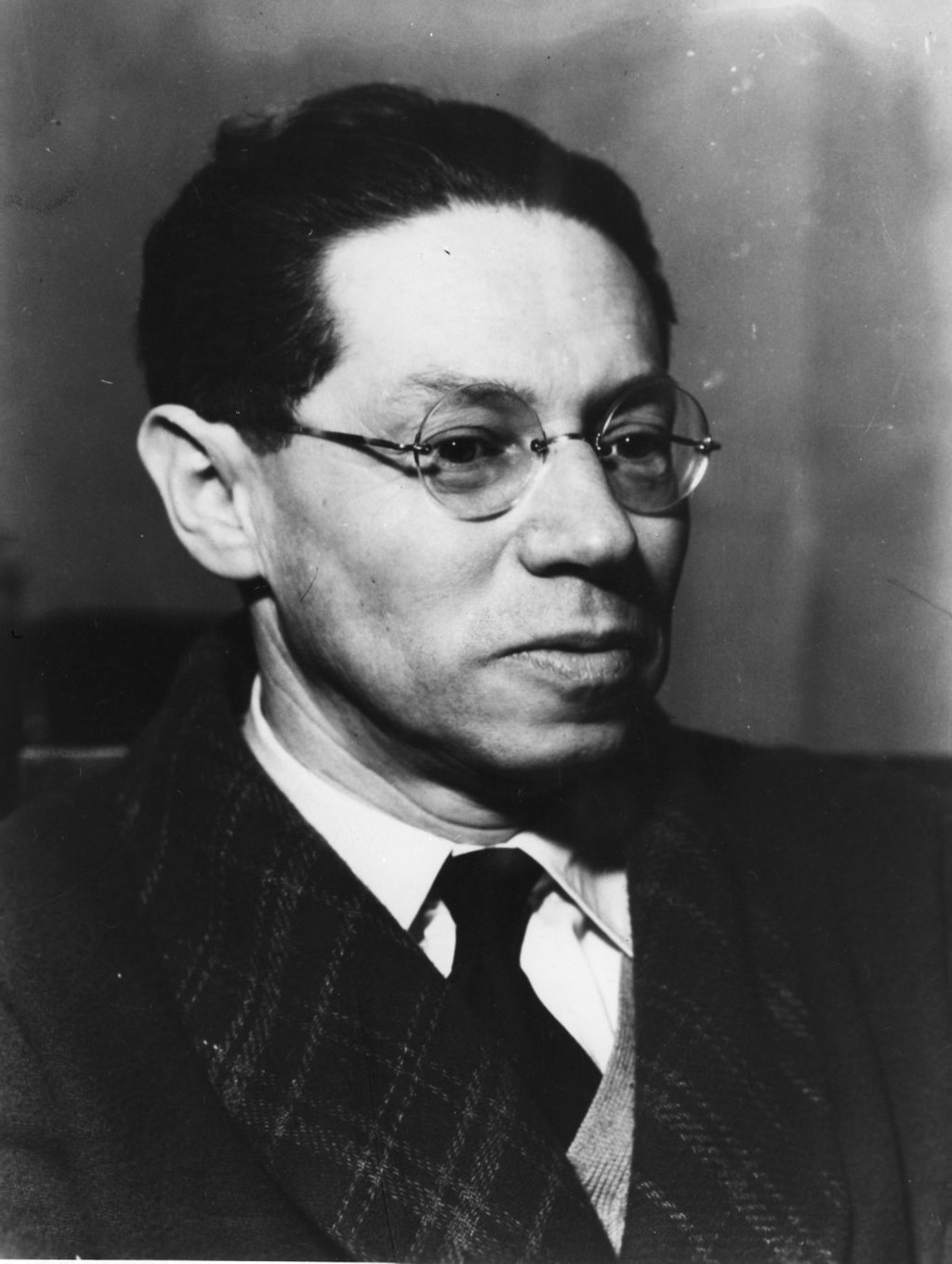
Lion Feuchtwanger (German: [ˈliːɔn ˈfɔʏçtˌvaŋɐ] ⓘ; 7 July 1884 – 21 December 1958) was a German Jewish novelist and playwright. A prominent figure in the literary world of Weimar Germany, he influenced contemporaries including playwright Bertolt Brecht.
Feuchtwanger's Judaism and fierce criticism of the Nazi Party, years before it assumed power, ensured that he would be a target of government-sponsored persecution after Adolf Hitler's appointment as chancellor of Germany in January 1933. Following a brief period of internment in France and a harrowing escape from continental Europe, he found asylum in the United States, where he died in 1958.
Feuchtwanger's Jewish ancestors originated from the Middle Franconian city of Feuchtwangen; following a pogrom in 1555, it had expelled all its resident Jews. Some of the expellees subsequently settled in Fürth, where they were called the "Feuchtwangers", meaning those from Feuchtwangen. Feuchtwanger's grandfather Elkan moved to Munich in the middle of the 19th century.
Lion Feuchtwanger was born in 1884 to Orthodox Jewish margarine manufacturer Sigmund Feuchtwanger and his wife, Johanna (née Bodenheimer). He was the oldest in a family of nine siblings of whom another two, Martin and Ludwig Feuchtwanger, also became authors; Ludwig's son was the London-based historian Edgar Feuchtwanger (1924–2025). Two of his sisters settled in Palestine following the rise of the Nazi Party. One was killed in a concentration camp, and another settled in New York.
Feuchtwanger made his first attempt at writing while still a secondary-school student and won an award. In 1903, in Munich, he passed his Abitur examinations at an elite school, the Wilhelmsgymnasium. He then studied history, philosophy and German philology in Munich and Berlin. He received his PhD in 1907, under Franz Muncker, with a study of Heinrich Heine's unfinished 1840 novel The Rabbi of Bacharach.
After studying a variety of subjects, he became a theatre critic and founded the culture magazine Der Spiegel in 1908 (no connection to the post-WWII magazine of the same name). The first issue appeared on 30 April. After 15 issues and six months, Der Spiegel merged with Siegfried Jacobsohn's journal Die Schaubühne (renamed in 1918 to Die Weltbühne) for which Feuchtwanger continued to write. He was one of the contributors of the Swedish avant-garde magazine Thalia between 1910 and 1913. In 1912, he married a Jewish merchant's daughter, Marta Loeffler. She was pregnant at the wedding, but the child died shortly after birth.[citation needed]
After the outbreak of the First World War in 1914, Feuchtwanger served in the German military (November 1914), but was released early for health reasons. His experience as a soldier contributed to his leftist writings.[citation needed]
In 1916, he published a play based on the story of Joseph Süß Oppenheimer, which premiered in 1917, but Feuchtwanger withdrew it a couple of years later as he was dissatisfied with it.[citation needed]
Hub AI
Lion Feuchtwanger AI simulator
(@Lion Feuchtwanger_simulator)
Lion Feuchtwanger
Lion Feuchtwanger (German: [ˈliːɔn ˈfɔʏçtˌvaŋɐ] ⓘ; 7 July 1884 – 21 December 1958) was a German Jewish novelist and playwright. A prominent figure in the literary world of Weimar Germany, he influenced contemporaries including playwright Bertolt Brecht.
Feuchtwanger's Judaism and fierce criticism of the Nazi Party, years before it assumed power, ensured that he would be a target of government-sponsored persecution after Adolf Hitler's appointment as chancellor of Germany in January 1933. Following a brief period of internment in France and a harrowing escape from continental Europe, he found asylum in the United States, where he died in 1958.
Feuchtwanger's Jewish ancestors originated from the Middle Franconian city of Feuchtwangen; following a pogrom in 1555, it had expelled all its resident Jews. Some of the expellees subsequently settled in Fürth, where they were called the "Feuchtwangers", meaning those from Feuchtwangen. Feuchtwanger's grandfather Elkan moved to Munich in the middle of the 19th century.
Lion Feuchtwanger was born in 1884 to Orthodox Jewish margarine manufacturer Sigmund Feuchtwanger and his wife, Johanna (née Bodenheimer). He was the oldest in a family of nine siblings of whom another two, Martin and Ludwig Feuchtwanger, also became authors; Ludwig's son was the London-based historian Edgar Feuchtwanger (1924–2025). Two of his sisters settled in Palestine following the rise of the Nazi Party. One was killed in a concentration camp, and another settled in New York.
Feuchtwanger made his first attempt at writing while still a secondary-school student and won an award. In 1903, in Munich, he passed his Abitur examinations at an elite school, the Wilhelmsgymnasium. He then studied history, philosophy and German philology in Munich and Berlin. He received his PhD in 1907, under Franz Muncker, with a study of Heinrich Heine's unfinished 1840 novel The Rabbi of Bacharach.
After studying a variety of subjects, he became a theatre critic and founded the culture magazine Der Spiegel in 1908 (no connection to the post-WWII magazine of the same name). The first issue appeared on 30 April. After 15 issues and six months, Der Spiegel merged with Siegfried Jacobsohn's journal Die Schaubühne (renamed in 1918 to Die Weltbühne) for which Feuchtwanger continued to write. He was one of the contributors of the Swedish avant-garde magazine Thalia between 1910 and 1913. In 1912, he married a Jewish merchant's daughter, Marta Loeffler. She was pregnant at the wedding, but the child died shortly after birth.[citation needed]
After the outbreak of the First World War in 1914, Feuchtwanger served in the German military (November 1914), but was released early for health reasons. His experience as a soldier contributed to his leftist writings.[citation needed]
In 1916, he published a play based on the story of Joseph Süß Oppenheimer, which premiered in 1917, but Feuchtwanger withdrew it a couple of years later as he was dissatisfied with it.[citation needed]
Recent media