
Recent from talks
Lionel Atwill
Knowledge base stats:
Talk channels stats:
Members stats:
Lionel Atwill
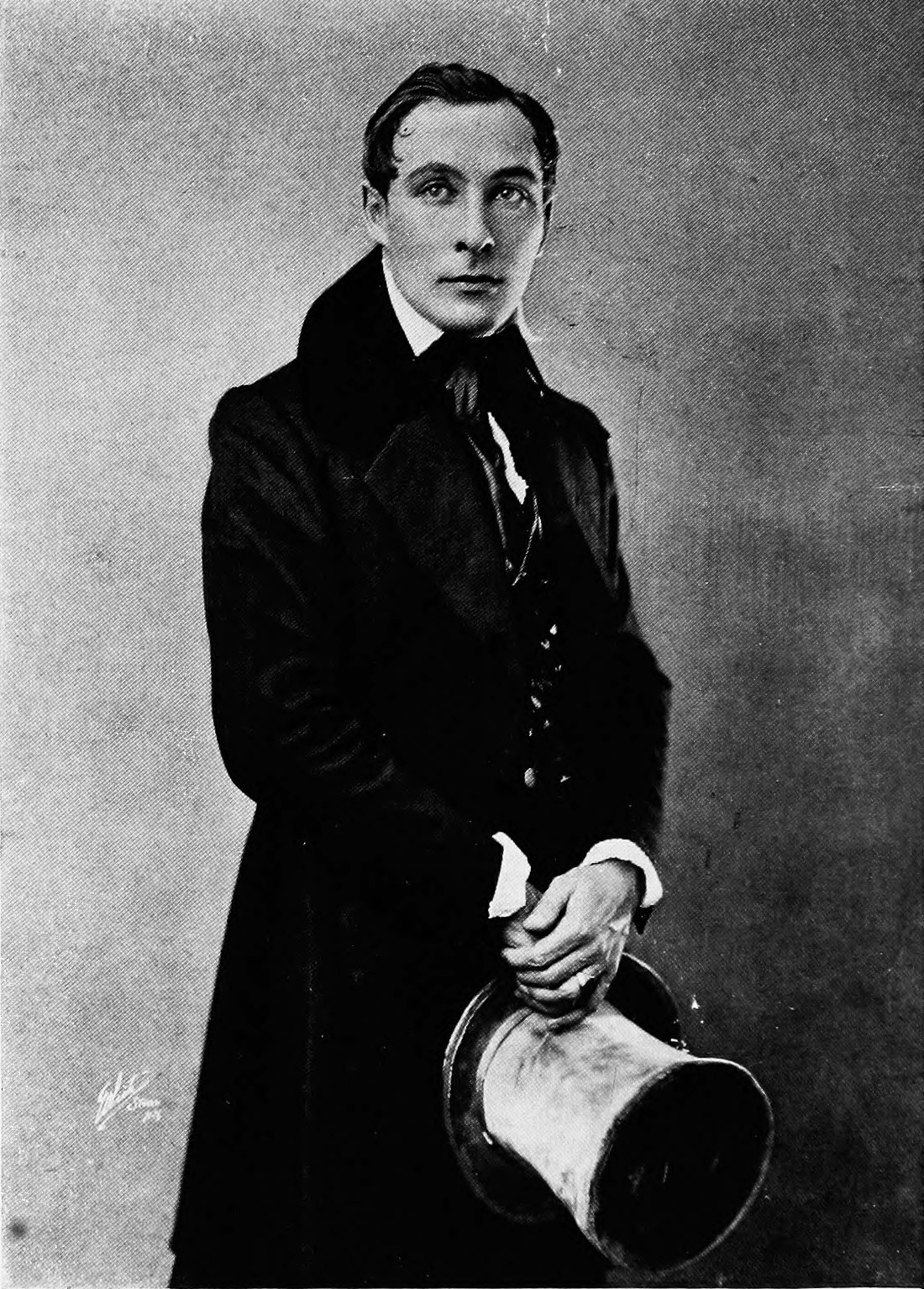
Lionel Alfred William Atwill (1 March 1885 – 22 April 1946) was an English and American stage and screen actor. He began his acting career at the Garrick Theatre. After coming to the United States, he appeared in Broadway plays and Hollywood films. Some of his more significant roles were in Captain Blood (1935), Son of Frankenstein (1939) and To Be or Not to Be (1942).
Atwill was born on 1 March 1885 in Croydon, London, England. He studied architecture before his stage debut at the Garrick Theatre, London, in 1904.
He became a star in Broadway theatre by 1918 and made his screen debut in 1919. His Broadway credits include The Lodger (1916), The Silent Witness (1930), Fioretta (1928), The Outsider (1924), Napoleon (1927), The Thief (1926), Slaves All (1926), Beau Gallant (1925), Caesar and Cleopatra (1924), The Outsider (1923), The Comedian (1922), The Grand Duke (1921), Deburau (1920), Tiger! Tiger! (1918), Another Man's Shoes (1918), A Doll's House (1917), Hedda Gabler (1917), The Wild Duck (1917), The Indestructible Wife (1917), L'elevation (1917), and Eve's Daughter (1917).
He acted on the stage in Australia and then became involved in U.S. horror films in the 1930s, including leading roles in Doctor X (1932), The Vampire Bat, Murders in the Zoo and Mystery of the Wax Museum (all 1933), and perhaps most memorably as the one-armed Inspector Krogh in Son of Frankenstein (1939), a role famously parodied by Kenneth Mars in Mel Brooks' 1974 satire Young Frankenstein. He appeared in four subsequent Universal Frankenstein films as well as many other of the studio's beloved chillers.
His other roles include a romantic lead opposite Marlene Dietrich in Josef von Sternberg's The Devil Is a Woman (1935), a crooked insurance investigator in The Wrong Road (1937) for RKO, Dr. James Mortimer in 20th Century Fox's film version of The Hound of the Baskervilles (1939), and Professor Moriarty in the Universal Studios film Sherlock Holmes and the Secret Weapon (1943). He also had a rare comedy role in Ernst Lubitsch's 1942 classic To Be or Not to Be and that same year menaced Abbott and Costello in Pardon My Sarong.
Virginia Lopez was a 30-year-old dress designer from Cuba. Sylvia Hamalaine was a 16-year-old Minnesota girl who came to Hollywood to break into film. Lopez, along with her boyfriend Adolphe LaRue, was charged with having molested Hamalaine in the Hollywood apartment where both women resided.
Lopez's defense attorney, Donald MacKay, tried to deflect blame from Lopez by claiming Hamalaine was a sex worker. He accused Hamalaine of being present at several parties at the beach home of Lionel Atwill in December and January 1940 where "indecencies" took place. Both LaRue and Lopez were convicted of contributing to the deliquency of a minor.
A grand jury was summoned to investigate the charges levied at actors and others in the motion picture industry. Atwill testified on May 21, 1941, before the grand jury and vehemently denied all accusations. Nothing "scandalous" had happened, he said. The grand jury declined to indict anyone on June 1, 1941. Grand jury foreman Theodore Peirce said, "The stories were just too fabulous and the credulity of the jury was taxed beyond all endurance by all of the witnesses."
Hub AI
Lionel Atwill AI simulator
(@Lionel Atwill_simulator)
Lionel Atwill
Lionel Alfred William Atwill (1 March 1885 – 22 April 1946) was an English and American stage and screen actor. He began his acting career at the Garrick Theatre. After coming to the United States, he appeared in Broadway plays and Hollywood films. Some of his more significant roles were in Captain Blood (1935), Son of Frankenstein (1939) and To Be or Not to Be (1942).
Atwill was born on 1 March 1885 in Croydon, London, England. He studied architecture before his stage debut at the Garrick Theatre, London, in 1904.
He became a star in Broadway theatre by 1918 and made his screen debut in 1919. His Broadway credits include The Lodger (1916), The Silent Witness (1930), Fioretta (1928), The Outsider (1924), Napoleon (1927), The Thief (1926), Slaves All (1926), Beau Gallant (1925), Caesar and Cleopatra (1924), The Outsider (1923), The Comedian (1922), The Grand Duke (1921), Deburau (1920), Tiger! Tiger! (1918), Another Man's Shoes (1918), A Doll's House (1917), Hedda Gabler (1917), The Wild Duck (1917), The Indestructible Wife (1917), L'elevation (1917), and Eve's Daughter (1917).
He acted on the stage in Australia and then became involved in U.S. horror films in the 1930s, including leading roles in Doctor X (1932), The Vampire Bat, Murders in the Zoo and Mystery of the Wax Museum (all 1933), and perhaps most memorably as the one-armed Inspector Krogh in Son of Frankenstein (1939), a role famously parodied by Kenneth Mars in Mel Brooks' 1974 satire Young Frankenstein. He appeared in four subsequent Universal Frankenstein films as well as many other of the studio's beloved chillers.
His other roles include a romantic lead opposite Marlene Dietrich in Josef von Sternberg's The Devil Is a Woman (1935), a crooked insurance investigator in The Wrong Road (1937) for RKO, Dr. James Mortimer in 20th Century Fox's film version of The Hound of the Baskervilles (1939), and Professor Moriarty in the Universal Studios film Sherlock Holmes and the Secret Weapon (1943). He also had a rare comedy role in Ernst Lubitsch's 1942 classic To Be or Not to Be and that same year menaced Abbott and Costello in Pardon My Sarong.
Virginia Lopez was a 30-year-old dress designer from Cuba. Sylvia Hamalaine was a 16-year-old Minnesota girl who came to Hollywood to break into film. Lopez, along with her boyfriend Adolphe LaRue, was charged with having molested Hamalaine in the Hollywood apartment where both women resided.
Lopez's defense attorney, Donald MacKay, tried to deflect blame from Lopez by claiming Hamalaine was a sex worker. He accused Hamalaine of being present at several parties at the beach home of Lionel Atwill in December and January 1940 where "indecencies" took place. Both LaRue and Lopez were convicted of contributing to the deliquency of a minor.
A grand jury was summoned to investigate the charges levied at actors and others in the motion picture industry. Atwill testified on May 21, 1941, before the grand jury and vehemently denied all accusations. Nothing "scandalous" had happened, he said. The grand jury declined to indict anyone on June 1, 1941. Grand jury foreman Theodore Peirce said, "The stories were just too fabulous and the credulity of the jury was taxed beyond all endurance by all of the witnesses."
Recent media