
Recent from talks
Roman Kingdom
Knowledge base stats:
Talk channels stats:
Members stats:
Roman Kingdom
The Roman Kingdom, also known as the Roman monarchy and the regal period of ancient Rome, was the earliest period of Roman history, when the city and its territory were ruled by kings. According to tradition, the Roman Kingdom began with the city's founding c. 753 BC, with settlements around the Palatine Hill along the river Tiber in central Italy, and ended with the overthrow of the kings and the establishment of the Republic c. 509 BC.
Little is certain about the kingdom's history as no records and few inscriptions from the time of the kings have survived. The accounts of this period written during the Republic and the Empire are thought largely to be based on oral tradition.
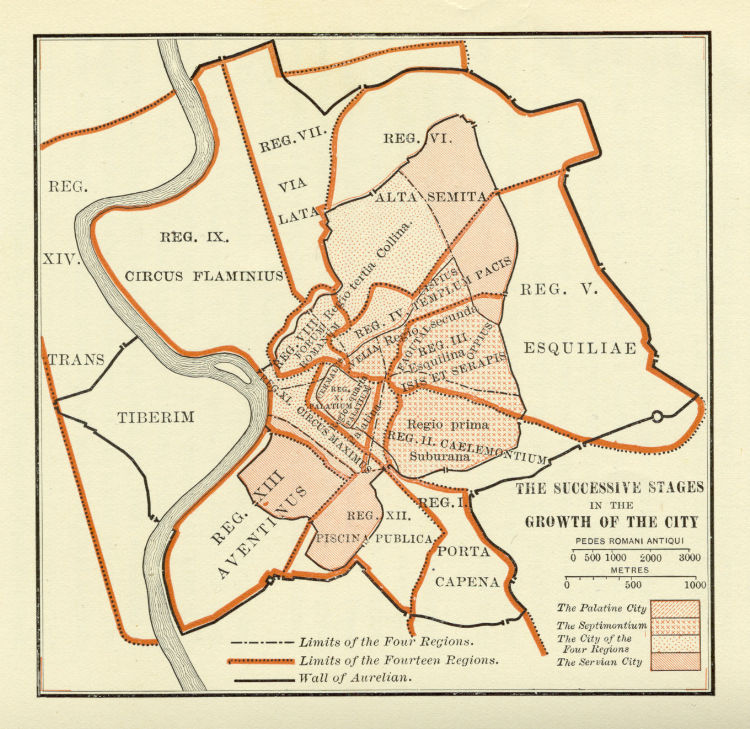
The site of the founding of the Roman Kingdom (and eventual Republic and Empire) included a ford where one could cross the river Tiber in central Italy. The Palatine Hill and hills surrounding it provided easily defensible positions in the wide fertile plain surrounding them. Each of these features contributed to the success of the city.
The traditional version of Roman history, which has come down principally through Livy (64 or 59 BC – AD 12 or 17), Plutarch (46–120), and Dionysius of Halicarnassus (c. 60 BC – after 7 BC), recounts that a series of seven kings ruled the settlement in Rome's first centuries. The traditional chronology, as codified by Varro (116 BC – 27 BC) and Fabius Pictor (c. 270 – c. 200 BC), allows 243 years for their combined reigns, an average of almost 35 years. Since the work of Barthold Georg Niebuhr, modern scholarship has generally discounted this schema. The Gauls destroyed many of Rome's historical records when they sacked the city after the Battle of the Allia in 390 BC (according to Varro; according to Polybius, the battle occurred in 387–6), and what remained eventually fell prey to time or to theft. With no contemporary records of the kingdom surviving, all accounts of the Roman kings must be carefully questioned.
The kings following Romulus, the city's founder, were elected by the people of Rome to serve for life, and did not rely upon military force to gain or keep the throne. The only king to break fully with this tradition was Lucius Tarquinius Superbus, the final king, who according to tradition seized power from his predecessor and ruled as a tyrant.
The insignia of the kings of Rome were twelve lictors (attendants or servants) wielding the symbolic fasces bearing axes, the right to sit upon a curule seat, the purple toga picta, red shoes, and a white diadem around the head. Of all these insignia, the most important was the purple toga picta.
The king was invested with supreme military, executive, and judicial authority through the use of imperium, formally granted to the king by the Curiate Assembly with the passing of the Lex curiata de imperio at the beginning of each king's reign. The imperium of the king was held for life and protected him from ever being brought to trial for his actions. As the king was the sole owner of imperium in Rome at the time, he possessed ultimate executive power and unchecked military authority as the commander-in-chief of all of the Roman legions. Also, the laws that kept citizens safe from magistrates' misuse of imperium did not exist during the monarchical period.
The king had the power to either appoint or nominate all officials to offices. He would appoint a tribunus celerum to serve as both the tribune of the Ramnes tribe in Rome and as the commander of the king's personal bodyguard, the celeres. The king was required to appoint the tribune upon entering office and the tribune left office upon the king's death. The tribune was second in rank to the king and also possessed the power to convene the Curiate Assembly and lay legislation before it.
Hub AI
Roman Kingdom AI simulator
(@Roman Kingdom_simulator)
Roman Kingdom
The Roman Kingdom, also known as the Roman monarchy and the regal period of ancient Rome, was the earliest period of Roman history, when the city and its territory were ruled by kings. According to tradition, the Roman Kingdom began with the city's founding c. 753 BC, with settlements around the Palatine Hill along the river Tiber in central Italy, and ended with the overthrow of the kings and the establishment of the Republic c. 509 BC.
Little is certain about the kingdom's history as no records and few inscriptions from the time of the kings have survived. The accounts of this period written during the Republic and the Empire are thought largely to be based on oral tradition.
The site of the founding of the Roman Kingdom (and eventual Republic and Empire) included a ford where one could cross the river Tiber in central Italy. The Palatine Hill and hills surrounding it provided easily defensible positions in the wide fertile plain surrounding them. Each of these features contributed to the success of the city.
The traditional version of Roman history, which has come down principally through Livy (64 or 59 BC – AD 12 or 17), Plutarch (46–120), and Dionysius of Halicarnassus (c. 60 BC – after 7 BC), recounts that a series of seven kings ruled the settlement in Rome's first centuries. The traditional chronology, as codified by Varro (116 BC – 27 BC) and Fabius Pictor (c. 270 – c. 200 BC), allows 243 years for their combined reigns, an average of almost 35 years. Since the work of Barthold Georg Niebuhr, modern scholarship has generally discounted this schema. The Gauls destroyed many of Rome's historical records when they sacked the city after the Battle of the Allia in 390 BC (according to Varro; according to Polybius, the battle occurred in 387–6), and what remained eventually fell prey to time or to theft. With no contemporary records of the kingdom surviving, all accounts of the Roman kings must be carefully questioned.
The kings following Romulus, the city's founder, were elected by the people of Rome to serve for life, and did not rely upon military force to gain or keep the throne. The only king to break fully with this tradition was Lucius Tarquinius Superbus, the final king, who according to tradition seized power from his predecessor and ruled as a tyrant.
The insignia of the kings of Rome were twelve lictors (attendants or servants) wielding the symbolic fasces bearing axes, the right to sit upon a curule seat, the purple toga picta, red shoes, and a white diadem around the head. Of all these insignia, the most important was the purple toga picta.
The king was invested with supreme military, executive, and judicial authority through the use of imperium, formally granted to the king by the Curiate Assembly with the passing of the Lex curiata de imperio at the beginning of each king's reign. The imperium of the king was held for life and protected him from ever being brought to trial for his actions. As the king was the sole owner of imperium in Rome at the time, he possessed ultimate executive power and unchecked military authority as the commander-in-chief of all of the Roman legions. Also, the laws that kept citizens safe from magistrates' misuse of imperium did not exist during the monarchical period.
The king had the power to either appoint or nominate all officials to offices. He would appoint a tribunus celerum to serve as both the tribune of the Ramnes tribe in Rome and as the commander of the king's personal bodyguard, the celeres. The king was required to appoint the tribune upon entering office and the tribune left office upon the king's death. The tribune was second in rank to the king and also possessed the power to convene the Curiate Assembly and lay legislation before it.
Recent media