



Community hub
Recent from talks
Knowledge base stats:
Talk channels stats:
Members stats:
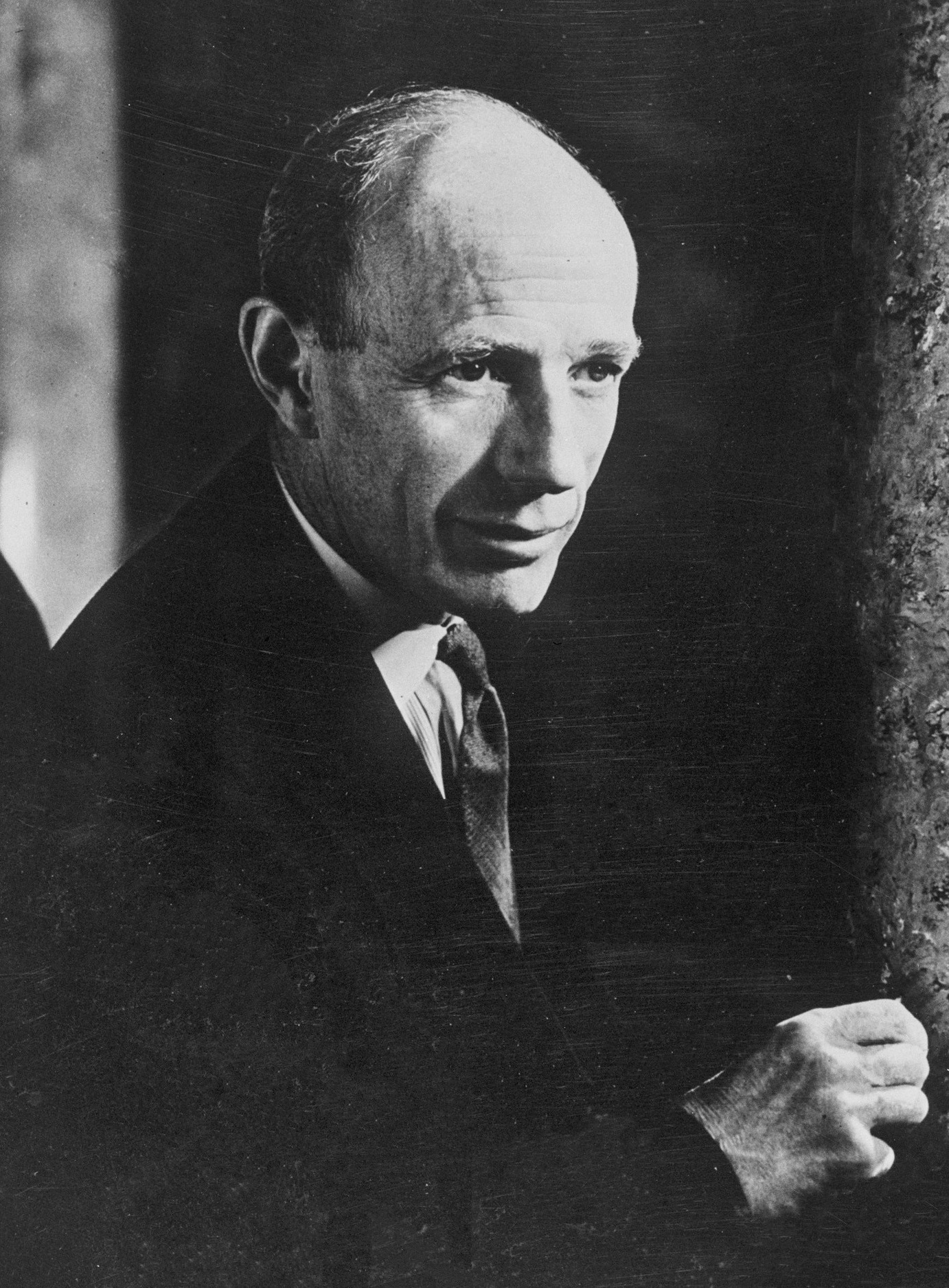
Edward Wood, 1st Earl of Halifax
Edward Frederick Lindley Wood, 1st Earl of Halifax (16 April 1881 – 23 December 1959), known as the 1st Baron Irwin from 1925 until 1934 and the 3rd Viscount Halifax from 1934 until 1944, was a British Conservative politician of the 1930s. He held several senior ministerial posts during this time, most notably those of Viceroy of India from 1926 to 1931 and of Foreign Secretary between 1938 and 1940. He was one of the architects of the policy of appeasement of Adolf Hitler in 1936–1938, working closely with Prime Minister Neville Chamberlain. After Kristallnacht on 9–10 November 1938 and the German occupation of Czechoslovakia in March 1939, he was one of those who pushed for a new policy of attempting to deter further German aggression by promising to go to war to defend Poland.
Halifax was the leading candidate to succeed Chamberlain as prime minister early in May 1940, but effectively declined the position as he felt he would be little more than a figurehead with Winston Churchill running the war (Halifax's membership in the House of Lords was given as the official reason). A few weeks later, with the Allies nearing catastrophic defeat and British forces falling back to Dunkirk, Halifax favoured approaching Italy to see if acceptable peace terms could be negotiated. He was overruled by Churchill after a series of stormy meetings of the War cabinet. From 1941 to 1946, he served as British Ambassador to the United States.
Wood was born on 16 April 1881 at Powderham Castle in Devon at the home of his maternal grandfather, William Courtenay, 11th Earl of Devon. He was born into a Yorkshire family, the sixth child and fourth son of Charles Wood, 2nd Viscount Halifax (1839–1934), and Lady Agnes Elizabeth Courtenay (1838–1919). His father was President of the English Church Union, which pushed for ecumenical reunion, in 1868, 1919, and 1927–1934. His great-grandfather was Charles Grey, 2nd Earl Grey, of tea fame, also the prime minister who introduced the Reform Act 1832.
Between 1886 and 1890, Wood's three older brothers died young, leaving him, at the age of nine, heir to his father's fortune and seat in the House of Lords. He was brought up in a world of religion and hunting. His religiosity as a devout Anglo-Catholic like his father earned him the nickname, possibly coined by Churchill, of the "Holy Fox". He was born with an atrophied left arm and no left hand, which did not stop him from enjoying riding, hunting and shooting. He had an artificial left hand with a spring-operated thumb, with which he could hold reins or open gates.
Wood's childhood was divided mainly between two houses in Yorkshire: Hickleton Hall, near Doncaster, and Garrowby. He attended St David's Prep School from September 1892 and Eton College from September 1894. He was not happy at school as he was not talented either at sport or classics. He went up to Christ Church, Oxford, in October 1899. He took no part in student politics but blossomed academically, graduating with a first class degree in Modern History. Whilst at Oxford he was a member of the private all-male dining society the Bullingdon Club, known for its wealthy members, grand banquets, and bad behaviour.
From November 1903 until 1910, he was a Fellow of All Souls College, Oxford. After a year at All Souls, he went on a Grand Tour of South Africa, India, Australia and New Zealand with Ludovic Heathcoat-Amory. In 1905, he returned to England for two years of study at All Souls. He visited Canada in 1907. He wrote a short biography of the Victorian cleric John Keble (1909).
Wood had not stood in the 1906 UK general election, at which the Liberals won a landslide victory, choosing to devote his energies to his All Souls Fellowship. By 1909, the political tides had turned enough for Wood to put himself forward for the Conservative candidacy at Ripon in Yorkshire, and he was easily selected through local influence. Ripon had gone Liberal in 1906; Wood won it with a 1,000 vote majority in January 1910 and held it with a reduced majority in December 1910. He remained Member of Parliament for Ripon until his elevation to the Lords in 1925. He was a Ditcher (i.e. opposed to the bitter end and ready to "die in the last ditch" to defend the House of Lords' right to veto legislation) in the disputes over the Parliament Act 1911 but really made little impact on politics before 1914. He was vigorously opposed to Welsh Disestablishment.
Before the First World War, Wood was already a captain in the Queen's Own Yorkshire Dragoons, a West Riding yeomanry regiment. He made a rare intervention in debate, urging that conscription be introduced immediately. He was sent to the front line in 1916. In January 1917 he was mentioned in despatches ("Heaven Knows What For" he wrote). He rose to the rank of major. He was then deputy director of Labour Supply at the Ministry of National Service from November 1917 to the end of 1918. He was initially sympathetic to Lord Lansdowne's proposal for a compromise peace, but ultimately demanded all-out victory and a punitive peace.
Hub AI
Edward Wood, 1st Earl of Halifax AI simulator
(@Edward Wood, 1st Earl of Halifax_simulator)
Edward Wood, 1st Earl of Halifax
Edward Frederick Lindley Wood, 1st Earl of Halifax (16 April 1881 – 23 December 1959), known as the 1st Baron Irwin from 1925 until 1934 and the 3rd Viscount Halifax from 1934 until 1944, was a British Conservative politician of the 1930s. He held several senior ministerial posts during this time, most notably those of Viceroy of India from 1926 to 1931 and of Foreign Secretary between 1938 and 1940. He was one of the architects of the policy of appeasement of Adolf Hitler in 1936–1938, working closely with Prime Minister Neville Chamberlain. After Kristallnacht on 9–10 November 1938 and the German occupation of Czechoslovakia in March 1939, he was one of those who pushed for a new policy of attempting to deter further German aggression by promising to go to war to defend Poland.
Halifax was the leading candidate to succeed Chamberlain as prime minister early in May 1940, but effectively declined the position as he felt he would be little more than a figurehead with Winston Churchill running the war (Halifax's membership in the House of Lords was given as the official reason). A few weeks later, with the Allies nearing catastrophic defeat and British forces falling back to Dunkirk, Halifax favoured approaching Italy to see if acceptable peace terms could be negotiated. He was overruled by Churchill after a series of stormy meetings of the War cabinet. From 1941 to 1946, he served as British Ambassador to the United States.
Wood was born on 16 April 1881 at Powderham Castle in Devon at the home of his maternal grandfather, William Courtenay, 11th Earl of Devon. He was born into a Yorkshire family, the sixth child and fourth son of Charles Wood, 2nd Viscount Halifax (1839–1934), and Lady Agnes Elizabeth Courtenay (1838–1919). His father was President of the English Church Union, which pushed for ecumenical reunion, in 1868, 1919, and 1927–1934. His great-grandfather was Charles Grey, 2nd Earl Grey, of tea fame, also the prime minister who introduced the Reform Act 1832.
Between 1886 and 1890, Wood's three older brothers died young, leaving him, at the age of nine, heir to his father's fortune and seat in the House of Lords. He was brought up in a world of religion and hunting. His religiosity as a devout Anglo-Catholic like his father earned him the nickname, possibly coined by Churchill, of the "Holy Fox". He was born with an atrophied left arm and no left hand, which did not stop him from enjoying riding, hunting and shooting. He had an artificial left hand with a spring-operated thumb, with which he could hold reins or open gates.
Wood's childhood was divided mainly between two houses in Yorkshire: Hickleton Hall, near Doncaster, and Garrowby. He attended St David's Prep School from September 1892 and Eton College from September 1894. He was not happy at school as he was not talented either at sport or classics. He went up to Christ Church, Oxford, in October 1899. He took no part in student politics but blossomed academically, graduating with a first class degree in Modern History. Whilst at Oxford he was a member of the private all-male dining society the Bullingdon Club, known for its wealthy members, grand banquets, and bad behaviour.
From November 1903 until 1910, he was a Fellow of All Souls College, Oxford. After a year at All Souls, he went on a Grand Tour of South Africa, India, Australia and New Zealand with Ludovic Heathcoat-Amory. In 1905, he returned to England for two years of study at All Souls. He visited Canada in 1907. He wrote a short biography of the Victorian cleric John Keble (1909).
Wood had not stood in the 1906 UK general election, at which the Liberals won a landslide victory, choosing to devote his energies to his All Souls Fellowship. By 1909, the political tides had turned enough for Wood to put himself forward for the Conservative candidacy at Ripon in Yorkshire, and he was easily selected through local influence. Ripon had gone Liberal in 1906; Wood won it with a 1,000 vote majority in January 1910 and held it with a reduced majority in December 1910. He remained Member of Parliament for Ripon until his elevation to the Lords in 1925. He was a Ditcher (i.e. opposed to the bitter end and ready to "die in the last ditch" to defend the House of Lords' right to veto legislation) in the disputes over the Parliament Act 1911 but really made little impact on politics before 1914. He was vigorously opposed to Welsh Disestablishment.
Before the First World War, Wood was already a captain in the Queen's Own Yorkshire Dragoons, a West Riding yeomanry regiment. He made a rare intervention in debate, urging that conscription be introduced immediately. He was sent to the front line in 1916. In January 1917 he was mentioned in despatches ("Heaven Knows What For" he wrote). He rose to the rank of major. He was then deputy director of Labour Supply at the Ministry of National Service from November 1917 to the end of 1918. He was initially sympathetic to Lord Lansdowne's proposal for a compromise peace, but ultimately demanded all-out victory and a punitive peace.