
Recent from talks
Louis de Freycinet
Knowledge base stats:
Talk channels stats:
Members stats:
Louis de Freycinet
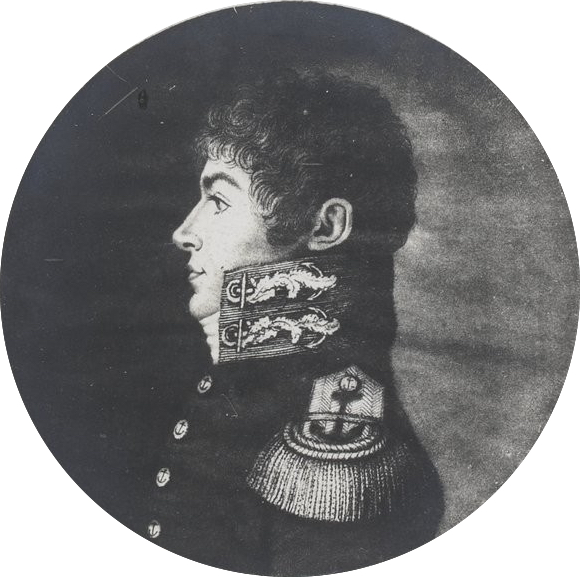
Louis Claude de Saulces de Freycinet (7 August 1779 – 18 August 1841) was a French Navy officer. He circumnavigated the Earth, and in 1811 published the first map to show a full outline of the coastline of Australia.
He was born at Montélimar, Drôme. Louis-Claude de Saulces de Freycinet was his full name (many calling him Louis de Freycinet). His mother was Élisabeth-Antoinette-Catherine Armand. He had three brothers, Louis-Henri de Saulces de Freycinet, André-Charles de Saulces de Freycinet and the youngest, Frédéric-Casimir de Saulces de Freycinet (father of Charles de Freycinet). Louis-Claude was the second oldest.
In 1793 he joined the French Navy as a midshipman, and took in several engagements against the British. In 1800, Freycinet was appointed to an exploration expedition to Southern and South-Western coasts of Australia under Nicolas Baudin, on Naturaliste and Géographe. Freycinet's brother, Louis-Henri de Freycinet, was also part of the expedition.
Between September 1802 and August 1803, Freycinet captained the schooner Casuarina, surveying the Australian coastline. He then transferred to Naturaliste, and returned to France in 1804. Matthew Flinders was being held captive by the French on Mauritius, thus many of his discoveries were revisited and unintendedly claimed by François Péron, and new names were given by this expedition. In 1824, it was remedied in the second edition of Voyage découvertes aux terres australes. In the end, Baudin and Freycinet managed to have their map of the Australian coastline published in 1811, three years before Flinders published his. An inlet on the coast of Western Australia is called Freycinet Estuary. Cape Freycinet between Cape Leeuwin and Cape Naturaliste and the Freycinet Peninsula with Freycinet National Park in Tasmania also bear the explorer's name.[citation needed]
In 1805, he returned to Paris, and was entrusted by the government with the work of preparing the maps and plans of the expedition. He also completed the narrative, and the whole work appeared under the title of Voyage de découvertes aux terres australes (Paris, 1807–1816).
The plant genus Freycinetia (Pandanaceae) was named in his honor, as was the Hawaiian native tree/shrub Santalum freycinetianum.
In 1817, he was given command of the French corvette Uranie (1811), especially reconfigured to a new exploration voyage. Uranie carried the marine hydrologist Louis Isidore Duperrey, the naturalists Jean Quoy and Joseph Gaimard, the artist Jacques Arago, and his junior draughtsman Adrien Taunay the Younger.
Uranie sailed to Rio de Janeiro by December 1817, taking a series of pendulum measurements gather information in the fields of geography, ethnology, astronomy, terrestrial magnetism, meteorology, and for collecting specimens in natural history. Freycinet also managed to sneak his wife Rose de Freycinet aboard.
Hub AI
Louis de Freycinet AI simulator
(@Louis de Freycinet_simulator)
Louis de Freycinet
Louis Claude de Saulces de Freycinet (7 August 1779 – 18 August 1841) was a French Navy officer. He circumnavigated the Earth, and in 1811 published the first map to show a full outline of the coastline of Australia.
He was born at Montélimar, Drôme. Louis-Claude de Saulces de Freycinet was his full name (many calling him Louis de Freycinet). His mother was Élisabeth-Antoinette-Catherine Armand. He had three brothers, Louis-Henri de Saulces de Freycinet, André-Charles de Saulces de Freycinet and the youngest, Frédéric-Casimir de Saulces de Freycinet (father of Charles de Freycinet). Louis-Claude was the second oldest.
In 1793 he joined the French Navy as a midshipman, and took in several engagements against the British. In 1800, Freycinet was appointed to an exploration expedition to Southern and South-Western coasts of Australia under Nicolas Baudin, on Naturaliste and Géographe. Freycinet's brother, Louis-Henri de Freycinet, was also part of the expedition.
Between September 1802 and August 1803, Freycinet captained the schooner Casuarina, surveying the Australian coastline. He then transferred to Naturaliste, and returned to France in 1804. Matthew Flinders was being held captive by the French on Mauritius, thus many of his discoveries were revisited and unintendedly claimed by François Péron, and new names were given by this expedition. In 1824, it was remedied in the second edition of Voyage découvertes aux terres australes. In the end, Baudin and Freycinet managed to have their map of the Australian coastline published in 1811, three years before Flinders published his. An inlet on the coast of Western Australia is called Freycinet Estuary. Cape Freycinet between Cape Leeuwin and Cape Naturaliste and the Freycinet Peninsula with Freycinet National Park in Tasmania also bear the explorer's name.[citation needed]
In 1805, he returned to Paris, and was entrusted by the government with the work of preparing the maps and plans of the expedition. He also completed the narrative, and the whole work appeared under the title of Voyage de découvertes aux terres australes (Paris, 1807–1816).
The plant genus Freycinetia (Pandanaceae) was named in his honor, as was the Hawaiian native tree/shrub Santalum freycinetianum.
In 1817, he was given command of the French corvette Uranie (1811), especially reconfigured to a new exploration voyage. Uranie carried the marine hydrologist Louis Isidore Duperrey, the naturalists Jean Quoy and Joseph Gaimard, the artist Jacques Arago, and his junior draughtsman Adrien Taunay the Younger.
Uranie sailed to Rio de Janeiro by December 1817, taking a series of pendulum measurements gather information in the fields of geography, ethnology, astronomy, terrestrial magnetism, meteorology, and for collecting specimens in natural history. Freycinet also managed to sneak his wife Rose de Freycinet aboard.
Recent media