
Recent from talks
Low culture
Knowledge base stats:
Talk channels stats:
Members stats:
Low culture
In society, the term low culture identifies the forms of popular culture that have mass appeal, often broadly appealing to the middle or lower cultures of any given society. This is in contrast to the forms of high culture that appeal to a smaller, often upper-class proportion of the populace. Culture theory proposes that both high culture and low culture are subcultures within a society, because the culture industry mass-produces each type of popular culture for every socioeconomic class. Despite being viewed as characteristic of less-educated social classes, low culture is still often enjoyed by upper classes as well. This makes the content that falls under this categorization the most broadly consumed kind of media in a culture overall.
Various forms of low culture can be found across a variety of cultures, with the physical objects composing these mediums often being constructed from less expensive, perishable materials. The phrase low culture has come to be viewed by some as a derogatory idea in and of itself, existing to put down elements of pop or tribal culture that others may deem to be "inferior."
In Popular Culture and High Culture: An Analysis and Evaluation of Taste (1958), Herbert J. Gans said:
Aesthetic standards of low culture stress substance, form being totally subservient, and there is no explicit concern with abstract ideas or even with fictional forms of contemporary social problems and issues. . . . Low culture emphasizes morality, but limits itself to familial and individual problems and [specific] values, which apply to such problems. Low culture is content to depict traditional working class values winning out over the temptation to give in to conflicting impulses and behavior patterns.
In other words, low culture is often associated with media that presents smaller-scale or individual experiences that are easier for the general public to identify with.
Physical artifacts from low culture are normally cheaply and often crudely made, as well as often small, in contrast to the comparatively grand public art or luxury objects of high culture. While this is a necessity for this low culture media to be broadly disseminated, it has also contributed to its reputation as low-brow or of lesser merit. The cheapness of the materials, many of which are perishable, generally means that their survival and preservation in modern times is rare. There are exceptions, especially in pottery and graffiti on stone. An ostracon is a small piece of pottery (or sometimes stone) which has been written on, for any of a number of purposes, among which curse tablets or more positive magical spells such as love magic are common. Wood must have been a common material, but survives for long periods only in certain climatic conditions, such as Egypt and other very arid areas, and permanently wet and slightly acidic peat bogs.
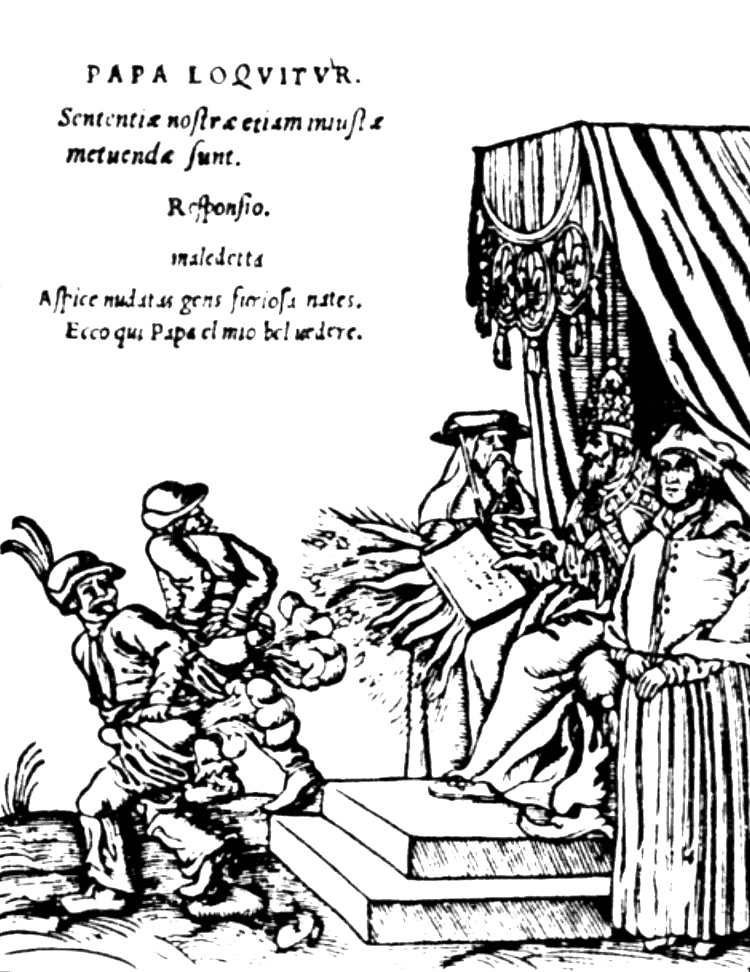
Once printing (and paper) became relatively cheap, popular prints became increasingly widespread by the late Renaissance. This technology also allowed for the production of cheap texts in street literature such as broadsides and broadside ballads, typically new topical words to a familiar tune. These examples became extremely common, but were treated as ephemera, so survival of this material is relatively uncommon.
Folk music is another notable historical manifestation of low culture. Much traditional folk music was only written down, and later mechanically recorded, in the 19th century, as growing nationalist sentiments in many countries generated interest from middle class enthusiasts. In comparison to other forms of music, such as music written for orchestras or by well-known classical composers, folk music was considered a product of low culture given its association with the more popular, cruder tastes of those who created it. This social separation between folk and classical music was also influenced by the traditions and expectations followed by the latter, which was often written for use in religious settings that demanded certain consistencies in the musical structure. Instead, folk music (along with its successor, contemporary folk music) is thought of as a reflection of common themes present in its community of origin. These combined traits help define folk music as an early, widespread form of low culture, for which the lower/working classes were both the largest producers and consumers.
Hub AI
Low culture AI simulator
(@Low culture_simulator)
Low culture
In society, the term low culture identifies the forms of popular culture that have mass appeal, often broadly appealing to the middle or lower cultures of any given society. This is in contrast to the forms of high culture that appeal to a smaller, often upper-class proportion of the populace. Culture theory proposes that both high culture and low culture are subcultures within a society, because the culture industry mass-produces each type of popular culture for every socioeconomic class. Despite being viewed as characteristic of less-educated social classes, low culture is still often enjoyed by upper classes as well. This makes the content that falls under this categorization the most broadly consumed kind of media in a culture overall.
Various forms of low culture can be found across a variety of cultures, with the physical objects composing these mediums often being constructed from less expensive, perishable materials. The phrase low culture has come to be viewed by some as a derogatory idea in and of itself, existing to put down elements of pop or tribal culture that others may deem to be "inferior."
In Popular Culture and High Culture: An Analysis and Evaluation of Taste (1958), Herbert J. Gans said:
Aesthetic standards of low culture stress substance, form being totally subservient, and there is no explicit concern with abstract ideas or even with fictional forms of contemporary social problems and issues. . . . Low culture emphasizes morality, but limits itself to familial and individual problems and [specific] values, which apply to such problems. Low culture is content to depict traditional working class values winning out over the temptation to give in to conflicting impulses and behavior patterns.
In other words, low culture is often associated with media that presents smaller-scale or individual experiences that are easier for the general public to identify with.
Physical artifacts from low culture are normally cheaply and often crudely made, as well as often small, in contrast to the comparatively grand public art or luxury objects of high culture. While this is a necessity for this low culture media to be broadly disseminated, it has also contributed to its reputation as low-brow or of lesser merit. The cheapness of the materials, many of which are perishable, generally means that their survival and preservation in modern times is rare. There are exceptions, especially in pottery and graffiti on stone. An ostracon is a small piece of pottery (or sometimes stone) which has been written on, for any of a number of purposes, among which curse tablets or more positive magical spells such as love magic are common. Wood must have been a common material, but survives for long periods only in certain climatic conditions, such as Egypt and other very arid areas, and permanently wet and slightly acidic peat bogs.
Once printing (and paper) became relatively cheap, popular prints became increasingly widespread by the late Renaissance. This technology also allowed for the production of cheap texts in street literature such as broadsides and broadside ballads, typically new topical words to a familiar tune. These examples became extremely common, but were treated as ephemera, so survival of this material is relatively uncommon.
Folk music is another notable historical manifestation of low culture. Much traditional folk music was only written down, and later mechanically recorded, in the 19th century, as growing nationalist sentiments in many countries generated interest from middle class enthusiasts. In comparison to other forms of music, such as music written for orchestras or by well-known classical composers, folk music was considered a product of low culture given its association with the more popular, cruder tastes of those who created it. This social separation between folk and classical music was also influenced by the traditions and expectations followed by the latter, which was often written for use in religious settings that demanded certain consistencies in the musical structure. Instead, folk music (along with its successor, contemporary folk music) is thought of as a reflection of common themes present in its community of origin. These combined traits help define folk music as an early, widespread form of low culture, for which the lower/working classes were both the largest producers and consumers.
Recent media