
Recent from talks
Love magic
Knowledge base stats:
Talk channels stats:
Members stats:
Love magic
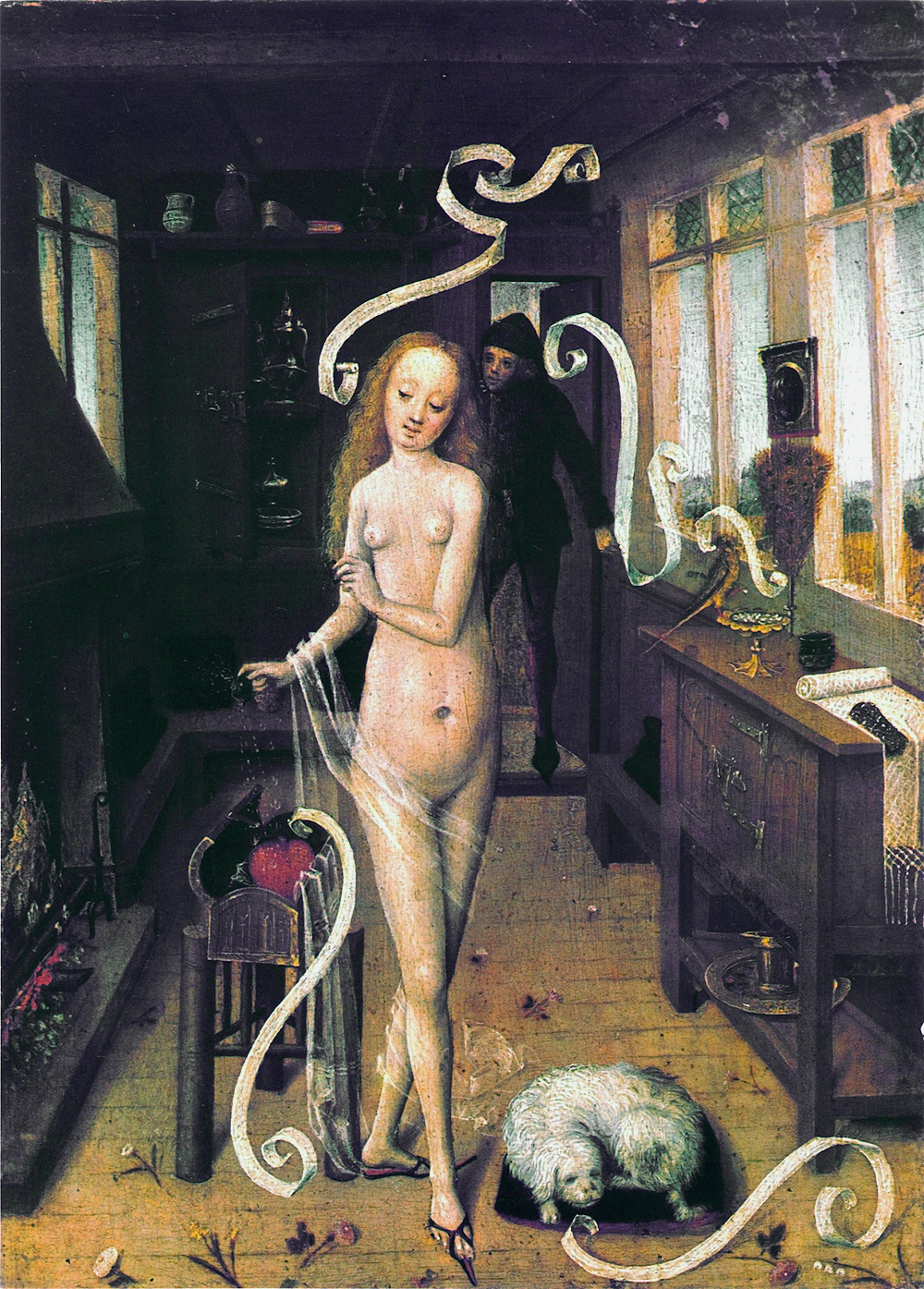
Love magic is a type of magic that has existed or currently exists in many cultures around the world as a part of folk beliefs, both by clergy and laity of nearly every religion. Historically, it is attested on cuneiform tablets from Mesopotamia, in ancient Egyptian texts and later Coptic texts, in the Greco-Roman world, in Syriac texts, in the European Middle Ages and early modern period, and among all Jewish groups who co-existed with these groups.
The exact definition of what constitutes 'love magic' can be difficult to establish and will vary from scholar to scholar, but a common theme shared by many is the use of magic to start, preserve, or break up a relationship of some type whether for purely sexual or romantic purposes or both. The tools and methods used in its practice do not significantly differ from the way other forms of magic are practiced and include spoken and written spells and incantations, dolls, talismans, amulets, potions, and rituals.
As most surviving sources concern love between men and women, there is a strong heterosexual bias when discussing these sources, though there are a few examples known to concern love between both two men and two women, such as Greek curse tablets. Love magic motifs appear in literature and art and in the mythologies of many cultures. It is less likely to occur in modern fiction, except in fantasy fiction (like Harry Potter), though even then it is not common and may be portrayed as negative.[citation needed]
Christians in late antiquity were among others that practiced magic and, more specifically, love spells. Despite the controversy in Christian communities, it was still a common practice. These spells are influenced and deprived of pagan traditions. The goal of these spells was to attract the desired sex, and they were used mainly by men but also by women and same-sex communities. Even though Christians were using love spells, this was still very problematic and angered many officials of the church as it was viewed as contrary to official scripture.
Early examples of love magic can be found in the ancient Near East, dating to ca. 2200 BCE. Cuneiform tablets preserving rituals of erotic magic have been uncovered at Tell Inghara and Isin (present-day Iraq). Similar rituals are attested in Ancient Egypt, for instance, on an ostracon dated to the twentieth dynasty (twelfth-eleventh centuries BCE). Love spells and rituals have been found among the Sumerians, Akkadians, and Babylonians, and formulae used in them can be found in later time periods in the Near East among other peoples.
Spells of erotic attraction and compulsion are found within the syncretic magic tradition of Hellenistic Greece, which incorporated Egyptian and Hebraic elements as documented in texts such as the Greek Magical Papyri and archaeologically on amulets and other artifacts dating from the 2nd century BC (and sometimes earlier) to the late 3rd century A.D. These magical practices continued to influence private rituals in Gaul among Celtic peoples, in Roman Britain, and among Germanic peoples.
Christopher A. Faraone, a University of Chicago Classics professor specializing in texts and practices pertaining to magic, distinguishes between the magic of eros, as practiced by men, and the magic of philia, practiced by women. These two types of spells can be connected directly to the gender roles of men and women in Ancient Greece. Women used philia spells because they were more dependent on their husbands. In marriage, women were powerless as men were legally permitted to divorce. As a result, many used any means necessary to maintain their marriages which meant more interest in affection producing spells. Philia magic was used by women to keep their male companion at bay and faithful. Eros spells were mainly practiced by men and a small selection of women, like prostitutes, and were used to imbue lust into the victim. However, Faraone himself also states that eros magic can be thought of as aggressive magic and philia as non-aggressive.
While some scholars use Faraone's model, like Catherine Rider though she modifies it slightly, it has been questioned by other scholars, such as Irene Salvo, who points out the exceptions to his classification and finds them to be more elucidating of how love magic in Hellenistic Greece actually worked. She points out there were men who used philia spells and women who used eros spells who were not prostitutes or who generally appear to have lived like men.
Hub AI
Love magic AI simulator
(@Love magic_simulator)
Love magic
Love magic is a type of magic that has existed or currently exists in many cultures around the world as a part of folk beliefs, both by clergy and laity of nearly every religion. Historically, it is attested on cuneiform tablets from Mesopotamia, in ancient Egyptian texts and later Coptic texts, in the Greco-Roman world, in Syriac texts, in the European Middle Ages and early modern period, and among all Jewish groups who co-existed with these groups.
The exact definition of what constitutes 'love magic' can be difficult to establish and will vary from scholar to scholar, but a common theme shared by many is the use of magic to start, preserve, or break up a relationship of some type whether for purely sexual or romantic purposes or both. The tools and methods used in its practice do not significantly differ from the way other forms of magic are practiced and include spoken and written spells and incantations, dolls, talismans, amulets, potions, and rituals.
As most surviving sources concern love between men and women, there is a strong heterosexual bias when discussing these sources, though there are a few examples known to concern love between both two men and two women, such as Greek curse tablets. Love magic motifs appear in literature and art and in the mythologies of many cultures. It is less likely to occur in modern fiction, except in fantasy fiction (like Harry Potter), though even then it is not common and may be portrayed as negative.[citation needed]
Christians in late antiquity were among others that practiced magic and, more specifically, love spells. Despite the controversy in Christian communities, it was still a common practice. These spells are influenced and deprived of pagan traditions. The goal of these spells was to attract the desired sex, and they were used mainly by men but also by women and same-sex communities. Even though Christians were using love spells, this was still very problematic and angered many officials of the church as it was viewed as contrary to official scripture.
Early examples of love magic can be found in the ancient Near East, dating to ca. 2200 BCE. Cuneiform tablets preserving rituals of erotic magic have been uncovered at Tell Inghara and Isin (present-day Iraq). Similar rituals are attested in Ancient Egypt, for instance, on an ostracon dated to the twentieth dynasty (twelfth-eleventh centuries BCE). Love spells and rituals have been found among the Sumerians, Akkadians, and Babylonians, and formulae used in them can be found in later time periods in the Near East among other peoples.
Spells of erotic attraction and compulsion are found within the syncretic magic tradition of Hellenistic Greece, which incorporated Egyptian and Hebraic elements as documented in texts such as the Greek Magical Papyri and archaeologically on amulets and other artifacts dating from the 2nd century BC (and sometimes earlier) to the late 3rd century A.D. These magical practices continued to influence private rituals in Gaul among Celtic peoples, in Roman Britain, and among Germanic peoples.
Christopher A. Faraone, a University of Chicago Classics professor specializing in texts and practices pertaining to magic, distinguishes between the magic of eros, as practiced by men, and the magic of philia, practiced by women. These two types of spells can be connected directly to the gender roles of men and women in Ancient Greece. Women used philia spells because they were more dependent on their husbands. In marriage, women were powerless as men were legally permitted to divorce. As a result, many used any means necessary to maintain their marriages which meant more interest in affection producing spells. Philia magic was used by women to keep their male companion at bay and faithful. Eros spells were mainly practiced by men and a small selection of women, like prostitutes, and were used to imbue lust into the victim. However, Faraone himself also states that eros magic can be thought of as aggressive magic and philia as non-aggressive.
While some scholars use Faraone's model, like Catherine Rider though she modifies it slightly, it has been questioned by other scholars, such as Irene Salvo, who points out the exceptions to his classification and finds them to be more elucidating of how love magic in Hellenistic Greece actually worked. She points out there were men who used philia spells and women who used eros spells who were not prostitutes or who generally appear to have lived like men.
Recent media