
Recent from talks
Lucinda Lee Dalton
Knowledge base stats:
Talk channels stats:
Members stats:
Lucinda Lee Dalton
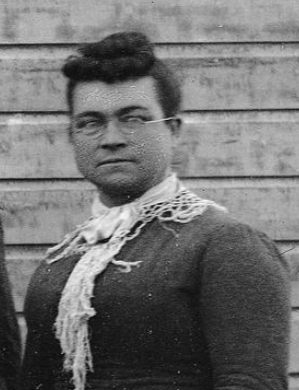
Lucinda Lee Dalton (born Lucinda Lee; February 9, 1847 – November 24, 1925) was a Utah teacher, and suffragist. She shared her views through essays and poems published in the Woman's Exponent, a periodical for Latter-day Saint women.
Raised by members of the Church of Jesus Christ of Latter-day Saints and devout to the faith, Dalton was a feminist. As a child, she felt jealous of boys for the freedom and privileges they enjoyed and felt that girls were neglected by the education system. She became a women's rights activist, believing that women should have the right to suffrage, education, property, control over their money, and custody of their children. As a teacher, she advocated for equal educational and recreational opportunities for girls.
Dalton supported polygamy, arguing that it allowed more women to marry whom she deemed the few "good men", and bore six children with her husband Charles, who married her as his fourth wife. Her writings have been noted by critics for poetically conveying the role and struggles of Mormon women in her time.
Dalton was born in Coosa County, Alabama, to Eliza Foscue and John Percival Lee. Her parents joined the LDS Church in Texas in 1849, and they made the trek to Utah Territory shortly after their conversion. In 1851, Dalton's family moved to the San Bernardino Valley in California as part of a Mormon expedition led by Amasa Lyman and Charles C. Rich. Seven years later her family moved to Beaver, Utah. Despite her family's poverty, Dalton's parents tried to teach her at home and let her attend school as long as possible. There were many children in her family, and at the time, many teenage girls stayed home to help with childcare and housework, but Dalton's family encouraged her to go to school. Since her family moved between rural areas, her education was scattered and not very methodical. Her teacher in Utah tutored her during lunch and after school and started training her to be a teacher herself. At age 12, her father founded a private school where Dalton helped teach. At age 16, Dalton became a teacher herself for an "infant school."
Also around age 16, Dalton's younger brother grew gravely ill. According to her autobiography, she fasted and prayed that her brother's life would be spared, and while she prayed this way he remained alive, although still ill. When Dalton's mother wished that her son's sufferings would end, Dalton stopped praying that his life would be spared and instead prayed that God's will be done. Her little brother died shortly thereafter.
Lucinda Dalton was the fourth wife of Charles Wakeman Dalton, and they were married in 1868. Lucinda resented the expectation that she be meek and obedient in her marriage. Charles assured her that husbands have obligations to their wives as wives do to their husbands. She came to the conclusion that she should marry Charles because of a spiritual witness they experienced together: "I felt that we were in the presence of the hosts of heaven; and a direct incontrovertible testimony was given me that it was the will of God and not my will that I should accept this man for my yokefellow."
She and Charles had six children together. Before her first child Charles's birth, Lucinda had a premonition that her son would not live very long. She told her mother that the dress she sewed for him was like a funeral shroud, and after baby Charles's death at age two, she buried him in it. Lucinda's second child, a daughter named Rosette, also died in infancy. Dalton often references these lost child infants in her poetry. Her third child, Clifford, was born on February 18, 1875. Charles was a joint owner of a store in Beaver and also hauled freight to surrounding areas. However, his income was not sufficient to support his four wives and many children. Dalton taught school in Manti, Beaver, Payson, Ferron, and Ogden.
When Lucinda's father remarried, her sister Emma came to stay with her, and Emma married Charles in 1871. In 1876, Emma left Charles and Lucinda, as well as the LDS Church, and moved to Arkansas and then California.
Hub AI
Lucinda Lee Dalton AI simulator
(@Lucinda Lee Dalton_simulator)
Lucinda Lee Dalton
Lucinda Lee Dalton (born Lucinda Lee; February 9, 1847 – November 24, 1925) was a Utah teacher, and suffragist. She shared her views through essays and poems published in the Woman's Exponent, a periodical for Latter-day Saint women.
Raised by members of the Church of Jesus Christ of Latter-day Saints and devout to the faith, Dalton was a feminist. As a child, she felt jealous of boys for the freedom and privileges they enjoyed and felt that girls were neglected by the education system. She became a women's rights activist, believing that women should have the right to suffrage, education, property, control over their money, and custody of their children. As a teacher, she advocated for equal educational and recreational opportunities for girls.
Dalton supported polygamy, arguing that it allowed more women to marry whom she deemed the few "good men", and bore six children with her husband Charles, who married her as his fourth wife. Her writings have been noted by critics for poetically conveying the role and struggles of Mormon women in her time.
Dalton was born in Coosa County, Alabama, to Eliza Foscue and John Percival Lee. Her parents joined the LDS Church in Texas in 1849, and they made the trek to Utah Territory shortly after their conversion. In 1851, Dalton's family moved to the San Bernardino Valley in California as part of a Mormon expedition led by Amasa Lyman and Charles C. Rich. Seven years later her family moved to Beaver, Utah. Despite her family's poverty, Dalton's parents tried to teach her at home and let her attend school as long as possible. There were many children in her family, and at the time, many teenage girls stayed home to help with childcare and housework, but Dalton's family encouraged her to go to school. Since her family moved between rural areas, her education was scattered and not very methodical. Her teacher in Utah tutored her during lunch and after school and started training her to be a teacher herself. At age 12, her father founded a private school where Dalton helped teach. At age 16, Dalton became a teacher herself for an "infant school."
Also around age 16, Dalton's younger brother grew gravely ill. According to her autobiography, she fasted and prayed that her brother's life would be spared, and while she prayed this way he remained alive, although still ill. When Dalton's mother wished that her son's sufferings would end, Dalton stopped praying that his life would be spared and instead prayed that God's will be done. Her little brother died shortly thereafter.
Lucinda Dalton was the fourth wife of Charles Wakeman Dalton, and they were married in 1868. Lucinda resented the expectation that she be meek and obedient in her marriage. Charles assured her that husbands have obligations to their wives as wives do to their husbands. She came to the conclusion that she should marry Charles because of a spiritual witness they experienced together: "I felt that we were in the presence of the hosts of heaven; and a direct incontrovertible testimony was given me that it was the will of God and not my will that I should accept this man for my yokefellow."
She and Charles had six children together. Before her first child Charles's birth, Lucinda had a premonition that her son would not live very long. She told her mother that the dress she sewed for him was like a funeral shroud, and after baby Charles's death at age two, she buried him in it. Lucinda's second child, a daughter named Rosette, also died in infancy. Dalton often references these lost child infants in her poetry. Her third child, Clifford, was born on February 18, 1875. Charles was a joint owner of a store in Beaver and also hauled freight to surrounding areas. However, his income was not sufficient to support his four wives and many children. Dalton taught school in Manti, Beaver, Payson, Ferron, and Ogden.
When Lucinda's father remarried, her sister Emma came to stay with her, and Emma married Charles in 1871. In 1876, Emma left Charles and Lucinda, as well as the LDS Church, and moved to Arkansas and then California.
Recent media