



Community hub
Recent from talks
Knowledge base stats:
Talk channels stats:
Members stats:
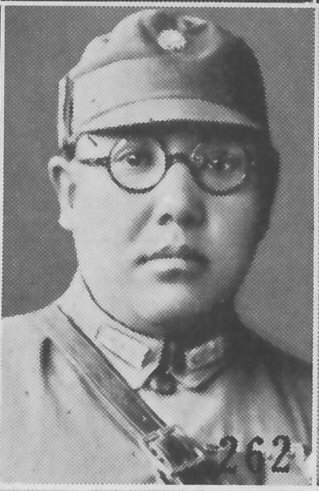
Ma Hongkui
Ma Hongkui (traditional Chinese: 馬鴻逵; simplified Chinese: 马鸿逵; pinyin: Mǎ Hóngkuí; Wade–Giles: Ma Hung-k'uei, Xiao'erjing: مَا خٌکُوِ; March 14, 1892 – January 14, 1970) was a prominent Chinese Muslim warlord during the Republic of China era, ruling the province of Ningxia. His rank was lieutenant general. His courtesy name was Shao-yun (少雲). In 1950, Hongkui migrated to the United States, where he lived until he died in 1970.
He was considered by some sources to be among China's best generals.
Born March 14, 1892, in the village of Hanchiachi, in Linxia County (known as Hezhou), Gansu. The "Who's Who in China" series of books says "Taoho Hsien" (Daohe Xian) is where he was born. His father was Gen. Ma Fuxiang. A Hui, Ma Hongkui graduated from Lanzhou Military Academy (aka Gansu Military Academy) in 1909, and became commander of the Ningxia Modern Army and commander of the 7th Division after the founding of the republic. He was in Beijing until Cao Kun's presidency (1923–24), even though he was the commander of the Ningxia Army.
He was at one point the Ningxia, Shaanxi and Mongolia "Bandit Suppression Commander". Ma became commander of the Gansu "6th Mixed Brigade" in 1916.
During the Second Zhili–Fengtian War Ma Hongkui's army was reorganized into a branch of Feng Yuxiang's Guominjun forces; in 1926 Ma Hongkui was appointed as the commander of the Fourth Route Army of the Guominjun by Feng. He was also a member of the Mongolian and Tibetan Affairs Commission.
In 1927 he and Feng Yuxiang led their troops to Tongguan, Shaanxi, and fought the Northern Expedition. However, he betrayed Feng and allied with Chiang Kai-shek. During the Central Plains War of 1930, Ma fought for Chiang and was appointed commander of the 64th Division; upon capturing Tai'an, Shandong, he was promoted to commander of the 15th Army. In 1932 he was appointed Governor of Ningxia Province and fought Communist forces in the Shaanxi–Ningxia area for the next several years, up to the all-out Japanese invasion in 1937. During Ma Hongkui's rise to power, he with his cousin Ma Hongbin and warlords Ma Bufang and Ma Buqing were instrumental in helping another warlord, Ma Zhongying, prevail in Gansu because they did not want Ma Zhongying to compete with them in their own turf; they encouraged and supported Ma Zhongying to develop his own power base in other regions such as Gansu and Xinjiang.
In 1933, Chiang Kai-shek attempted to strengthen the Nationalist government and to weaken the Ma clique by ordering the unreliable National Revolutionary Army general Sun Dianying to move his private army to Qinghai's Qaidam Basin, ostensibly to colonize it. In reality, Chiang wanted to undermine the Ma family's rule by introducing another military and political faction into the region; the Ma warlords realized this and forced Chiang to revoke his order. From then on, however, the situation went out of control and Sun Dianying decided to conquer Ningxia on his own to prevent his troops from mutinying. A war for the province consequently broke out in early 1934. Despite initial setbacks Ma Hongkui managed to defeat Sun, also thanks to the support he received from other Ma warlords and the Nationalist government which was officially opposed to Sun by this point.
During World War II he took over the command of 17th Army Group. He was also the vice-commander of the 8th War Zone.
Hub AI
Ma Hongkui AI simulator
(@Ma Hongkui_simulator)
Ma Hongkui
Ma Hongkui (traditional Chinese: 馬鴻逵; simplified Chinese: 马鸿逵; pinyin: Mǎ Hóngkuí; Wade–Giles: Ma Hung-k'uei, Xiao'erjing: مَا خٌکُوِ; March 14, 1892 – January 14, 1970) was a prominent Chinese Muslim warlord during the Republic of China era, ruling the province of Ningxia. His rank was lieutenant general. His courtesy name was Shao-yun (少雲). In 1950, Hongkui migrated to the United States, where he lived until he died in 1970.
He was considered by some sources to be among China's best generals.
Born March 14, 1892, in the village of Hanchiachi, in Linxia County (known as Hezhou), Gansu. The "Who's Who in China" series of books says "Taoho Hsien" (Daohe Xian) is where he was born. His father was Gen. Ma Fuxiang. A Hui, Ma Hongkui graduated from Lanzhou Military Academy (aka Gansu Military Academy) in 1909, and became commander of the Ningxia Modern Army and commander of the 7th Division after the founding of the republic. He was in Beijing until Cao Kun's presidency (1923–24), even though he was the commander of the Ningxia Army.
He was at one point the Ningxia, Shaanxi and Mongolia "Bandit Suppression Commander". Ma became commander of the Gansu "6th Mixed Brigade" in 1916.
During the Second Zhili–Fengtian War Ma Hongkui's army was reorganized into a branch of Feng Yuxiang's Guominjun forces; in 1926 Ma Hongkui was appointed as the commander of the Fourth Route Army of the Guominjun by Feng. He was also a member of the Mongolian and Tibetan Affairs Commission.
In 1927 he and Feng Yuxiang led their troops to Tongguan, Shaanxi, and fought the Northern Expedition. However, he betrayed Feng and allied with Chiang Kai-shek. During the Central Plains War of 1930, Ma fought for Chiang and was appointed commander of the 64th Division; upon capturing Tai'an, Shandong, he was promoted to commander of the 15th Army. In 1932 he was appointed Governor of Ningxia Province and fought Communist forces in the Shaanxi–Ningxia area for the next several years, up to the all-out Japanese invasion in 1937. During Ma Hongkui's rise to power, he with his cousin Ma Hongbin and warlords Ma Bufang and Ma Buqing were instrumental in helping another warlord, Ma Zhongying, prevail in Gansu because they did not want Ma Zhongying to compete with them in their own turf; they encouraged and supported Ma Zhongying to develop his own power base in other regions such as Gansu and Xinjiang.
In 1933, Chiang Kai-shek attempted to strengthen the Nationalist government and to weaken the Ma clique by ordering the unreliable National Revolutionary Army general Sun Dianying to move his private army to Qinghai's Qaidam Basin, ostensibly to colonize it. In reality, Chiang wanted to undermine the Ma family's rule by introducing another military and political faction into the region; the Ma warlords realized this and forced Chiang to revoke his order. From then on, however, the situation went out of control and Sun Dianying decided to conquer Ningxia on his own to prevent his troops from mutinying. A war for the province consequently broke out in early 1934. Despite initial setbacks Ma Hongkui managed to defeat Sun, also thanks to the support he received from other Ma warlords and the Nationalist government which was officially opposed to Sun by this point.
During World War II he took over the command of 17th Army Group. He was also the vice-commander of the 8th War Zone.