
Recent from talks
Maddela
Knowledge base stats:
Talk channels stats:
Members stats:
Maddela
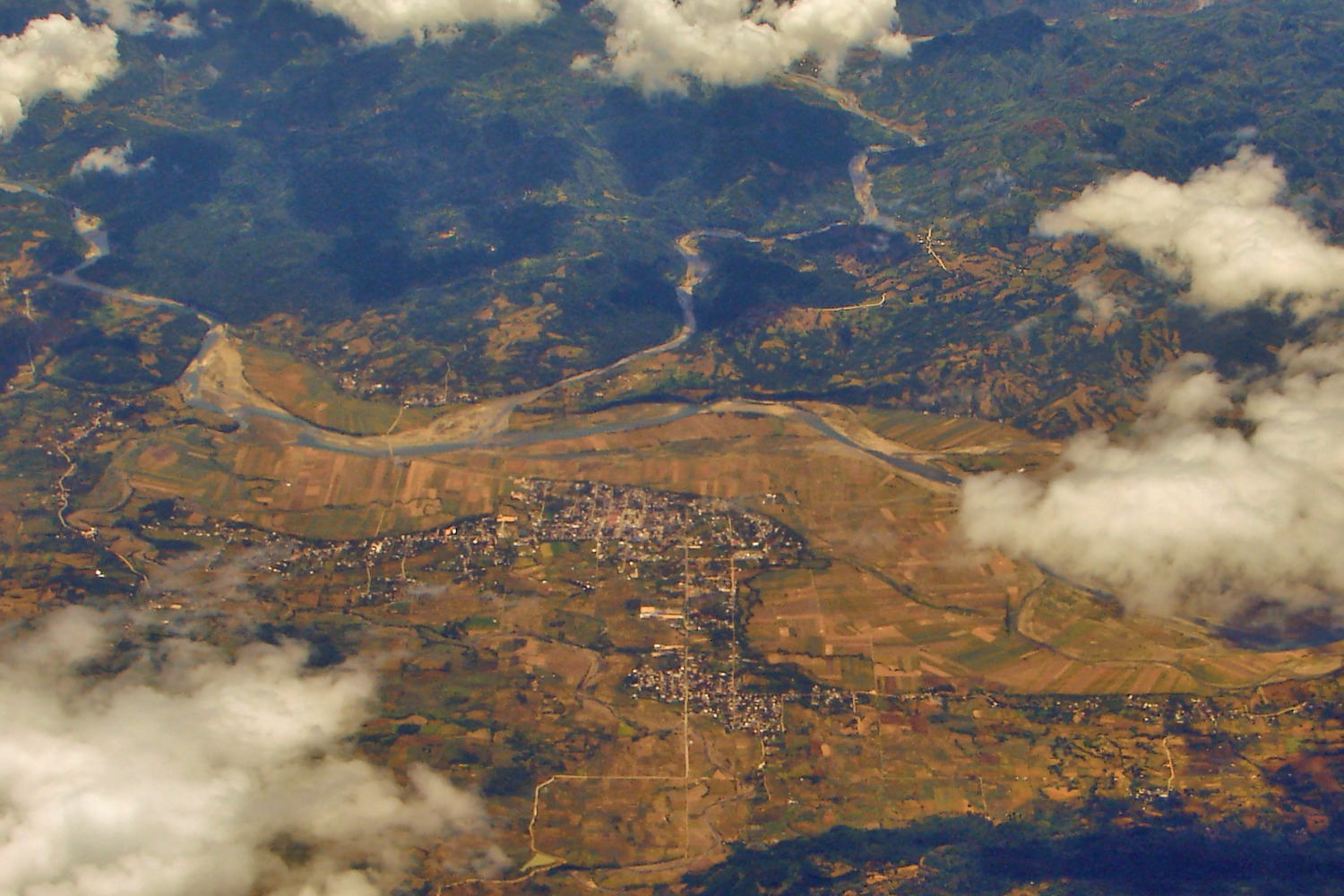
Maddela, officially the Municipality of Maddela (Ilocano: Ili ti Maddela; Tagalog: Bayan ng Maddela), is a municipality in the province of Quirino, Philippines. According to the 2020 census, it has a population of 40,943 people.
Maddela is the commercial hub of the province. It is between the provinces of Isabela and Aurora.
Before the advent of migration and urban development planning, Maddela was inhabited by native tribes who resided within the Sierra Madre Mountains and the hinterlands of the Mamparang Ranges. The dominant tribes were the Ilongots (or Bugcalots) and the Dumagats, each with their distinct cultures and lifestyles.
The Ilongots occupied the western upland territory, extending upstream along the Cagayan River to Dupax, Nueva Vizcaya. They lived in organized villages with simple governments. In contrast, the Dumagats inhabited the eastern portion of the Cagayan River, living a nomadic lifestyle in makeshift huts made of forest leaves and subsisting on hunting and root crops.
In 1919, a group of 20 Ilocanos led by Forester Vicente Velasco settled along the Cagayan River, gradually expanding into the Pinappagan valley, now Maddela. The Ilocanos, known for their enterprising spirit, cultivated crops such as rice, tobacco, corn, and peanuts, and established friendly relations with the native tribes.
The period between 1922 and 1925 marked the beginning of permanent settlement, with Lt. Quintin Alcantara initiating the construction of a road connecting Pinappagan and Panang. Pinappagan was designated a municipal district attached to Bagabag, Nueva Vizcaya, with Eusebio Martin appointed as its first President. During the Japanese occupation, Marcos Pimentel and Fernando Castillo alternately served as municipal district mayors. In 1950, Pinappagan was renamed Maddela and became a regular town, with Jose Ancheta as its first mayor. The municipality was named in honor of former Nueva Vizcaya Governor Tomas Maddela.
Over the years, Maddela expanded its territory and governance structure, with Dionisio Sarandi elected as mayor in the first regular local elections in 1956. During Sarandi's term, several new barrios were created, leading to agricultural expansion and increased commerce and trade with neighboring towns in Isabela.
Today, Maddela comprises a total of 32 barangays, reflecting its growth and development over the decades.
Hub AI
Maddela AI simulator
(@Maddela_simulator)
Maddela
Maddela, officially the Municipality of Maddela (Ilocano: Ili ti Maddela; Tagalog: Bayan ng Maddela), is a municipality in the province of Quirino, Philippines. According to the 2020 census, it has a population of 40,943 people.
Maddela is the commercial hub of the province. It is between the provinces of Isabela and Aurora.
Before the advent of migration and urban development planning, Maddela was inhabited by native tribes who resided within the Sierra Madre Mountains and the hinterlands of the Mamparang Ranges. The dominant tribes were the Ilongots (or Bugcalots) and the Dumagats, each with their distinct cultures and lifestyles.
The Ilongots occupied the western upland territory, extending upstream along the Cagayan River to Dupax, Nueva Vizcaya. They lived in organized villages with simple governments. In contrast, the Dumagats inhabited the eastern portion of the Cagayan River, living a nomadic lifestyle in makeshift huts made of forest leaves and subsisting on hunting and root crops.
In 1919, a group of 20 Ilocanos led by Forester Vicente Velasco settled along the Cagayan River, gradually expanding into the Pinappagan valley, now Maddela. The Ilocanos, known for their enterprising spirit, cultivated crops such as rice, tobacco, corn, and peanuts, and established friendly relations with the native tribes.
The period between 1922 and 1925 marked the beginning of permanent settlement, with Lt. Quintin Alcantara initiating the construction of a road connecting Pinappagan and Panang. Pinappagan was designated a municipal district attached to Bagabag, Nueva Vizcaya, with Eusebio Martin appointed as its first President. During the Japanese occupation, Marcos Pimentel and Fernando Castillo alternately served as municipal district mayors. In 1950, Pinappagan was renamed Maddela and became a regular town, with Jose Ancheta as its first mayor. The municipality was named in honor of former Nueva Vizcaya Governor Tomas Maddela.
Over the years, Maddela expanded its territory and governance structure, with Dionisio Sarandi elected as mayor in the first regular local elections in 1956. During Sarandi's term, several new barrios were created, leading to agricultural expansion and increased commerce and trade with neighboring towns in Isabela.
Today, Maddela comprises a total of 32 barangays, reflecting its growth and development over the decades.
Recent media