



Community hub
Recent from talks
Knowledge base stats:
Talk channels stats:
Members stats:
Timawa
The timawa were the feudal warrior class of the ancient Visayan societies of the Philippines. They were regarded as higher than the uripon (commoners, serfs, and slaves) but below the tumao (royal nobility) in the Visayan social hierarchy. They were roughly similar to the Tagalog maharlika caste.
The term later lost its military and nobility connotations and was demoted to mean "freemen" during the Spanish conquest of the Philippines. During which, the word was also introduced to the Tagalogs, who incorrectly used the term to refer to freed uripon (more correctly the matitimawa or tinimawa in Visayan) and commoners in general (tuhay or mamahay in Visayan). Eventually, the meaning of timawa in modern Visayan languages was reduced to an adjective for "impoverished".
The timawa were the privileged intermediate class of ancient Visayan society, in between the uripon (commoners, serfs, and slaves) and the tumao (royal nobility). The timawa class included former slaves and illegitimate children of the maginoo class. Most were originally descendants or illegitimate children of the datu by commoner wives or uripon concubines, or the illegitimate children of the binokot princesses. These timawa were referred to with the title Ginoo upon the death of their fathers. A few known as Matitimawa or Tinimawa, originated from uripon who bought their freedom or were set free by their masters. These were usually distinguished from freeborn timawa.
Like the Tagalog maharlika class, the timawa were primarily a feudal warrior class, required to provide military service to the datu in hunts, raids, wars, and defense. timawa paid tribute or taxes to the datu known as buhis or handug and were required to provide agricultural labor as needed. They enjoyed certain freedoms, like the right to own their own land and uripon, the right to lend and borrow money, and the right to enter into business partnerships.
Unlike the maharlika, however, they can change allegiances freely and had no intrinsic right to the spoils of war beyond what is granted them by the datu. Though the class itself was hereditary, their wealth were only inherited by their children with the approval of the datu. A timawa may also be demoted to the uripon status (temporarily or permanently) in cases of debt, and any children born during the period will likewise be an uripon.
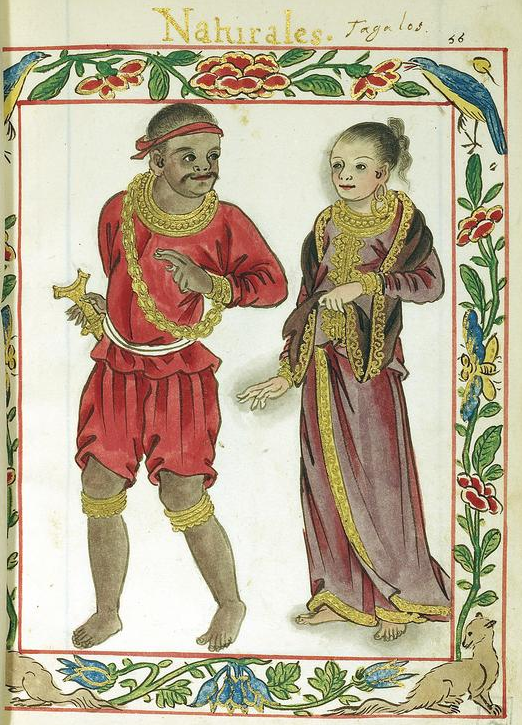
However this does not apply to the higher ranks of the timawa, the personal vassals of the datu. These in turn were exempt from taxes and labor obligations. Though still obligated to render military service, they had rights to the share of the war loot, were included in praises of war exploits (including acquiring tattoos of ranks and accomplishments), and were often retainers and confidantes of the datu. The datu himself was required to defend or avenge these timawa even at the risk of his own life. The most trusted among these timawa are traditionally tasked with carrying out diplomatic missions, marriage negotiations, and mourning rites in case of the death of the datu. As such, the Boxer Codex likened them to "knights and hidalgos".
Though timawa were powerful and influential members of the community, they were seldom wealthy. Wealthy timawa who overstep their class and act like tumao were derided as timindok ("big banana").
Some members of the uripon class known as the horo-han or horohan also served their masters as warriors, but unlike the timawa, they were not part of the nobility.
Hub AI
Timawa AI simulator
(@Timawa_simulator)
Timawa
The timawa were the feudal warrior class of the ancient Visayan societies of the Philippines. They were regarded as higher than the uripon (commoners, serfs, and slaves) but below the tumao (royal nobility) in the Visayan social hierarchy. They were roughly similar to the Tagalog maharlika caste.
The term later lost its military and nobility connotations and was demoted to mean "freemen" during the Spanish conquest of the Philippines. During which, the word was also introduced to the Tagalogs, who incorrectly used the term to refer to freed uripon (more correctly the matitimawa or tinimawa in Visayan) and commoners in general (tuhay or mamahay in Visayan). Eventually, the meaning of timawa in modern Visayan languages was reduced to an adjective for "impoverished".
The timawa were the privileged intermediate class of ancient Visayan society, in between the uripon (commoners, serfs, and slaves) and the tumao (royal nobility). The timawa class included former slaves and illegitimate children of the maginoo class. Most were originally descendants or illegitimate children of the datu by commoner wives or uripon concubines, or the illegitimate children of the binokot princesses. These timawa were referred to with the title Ginoo upon the death of their fathers. A few known as Matitimawa or Tinimawa, originated from uripon who bought their freedom or were set free by their masters. These were usually distinguished from freeborn timawa.
Like the Tagalog maharlika class, the timawa were primarily a feudal warrior class, required to provide military service to the datu in hunts, raids, wars, and defense. timawa paid tribute or taxes to the datu known as buhis or handug and were required to provide agricultural labor as needed. They enjoyed certain freedoms, like the right to own their own land and uripon, the right to lend and borrow money, and the right to enter into business partnerships.
Unlike the maharlika, however, they can change allegiances freely and had no intrinsic right to the spoils of war beyond what is granted them by the datu. Though the class itself was hereditary, their wealth were only inherited by their children with the approval of the datu. A timawa may also be demoted to the uripon status (temporarily or permanently) in cases of debt, and any children born during the period will likewise be an uripon.
However this does not apply to the higher ranks of the timawa, the personal vassals of the datu. These in turn were exempt from taxes and labor obligations. Though still obligated to render military service, they had rights to the share of the war loot, were included in praises of war exploits (including acquiring tattoos of ranks and accomplishments), and were often retainers and confidantes of the datu. The datu himself was required to defend or avenge these timawa even at the risk of his own life. The most trusted among these timawa are traditionally tasked with carrying out diplomatic missions, marriage negotiations, and mourning rites in case of the death of the datu. As such, the Boxer Codex likened them to "knights and hidalgos".
Though timawa were powerful and influential members of the community, they were seldom wealthy. Wealthy timawa who overstep their class and act like tumao were derided as timindok ("big banana").
Some members of the uripon class known as the horo-han or horohan also served their masters as warriors, but unlike the timawa, they were not part of the nobility.