
Recent from talks
Manuel Felguérez
Knowledge base stats:
Talk channels stats:
Members stats:
Manuel Felguérez
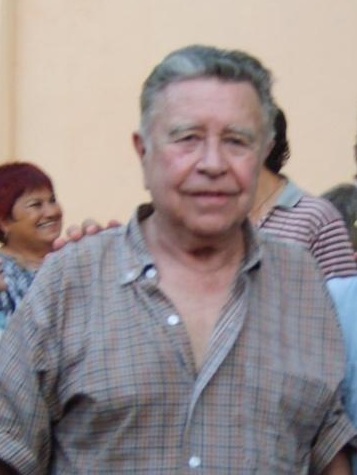
Manuel Felguérez Barra (December 12, 1928 – June 8, 2020) was a Mexican abstract artist, part of the Generación de la Ruptura that broke with the muralist movement of Diego Rivera and others in the mid 20th century.
Felguérez was born in the state of Zacatecas in 1928, but political instability caused his family to lose their land there and move to Mexico City. In 1947, he had the chance to travel to Europe and, impressed with the art there, decided to dedicate himself to the vocation. Unhappy with the education at the Academy of San Carlos in Mexico, he did most of his studies in France, where he specialized in abstract art (which was not accepted in Mexico at the time). His exhibitions were initially limited to galleries and the production of "sculpted murals" using materials such as scrap metals, stones, and sand. As attitudes in Mexico changed towards art, Felguérez found acceptance for his work and remained active at over eighty years of age.
Manuel Felguérez was born on his family's San Agustín del Vergel hacienda near Valparaíso, Zacatecas, on December 12, 1928. It was a turbulent time as Zacatecas was involved in the Cristero uprising and while the fighting initially began over religion, it quickly became about land as well. His father owned the family hacienda, the great-great-grandson of landholders, but by the early 20th century, these landowners were despised by the general populace.
Some of the hacienda's workers demanded control of the land by force, with battles between loyalists and the insurgents occurring on the property. In the 1930s, there were land expropriations under President Lázaro Cárdenas, which took away most of the family's holdings. The family decided to flee and later completely abandon the hacienda in 1934 for Mexico City. Felguérez's father hoped for compensation for the lost lands from the federal government, but he died after a year when Felguérez was only eight years old.
Felguérez's mother never returned to Zacatecas, warning her son that if he ever returned to Valparaíso, they would kill him, and she also preferred to be with her parents in the capital city. Felguérez would return about six decades later to Zacatecas for the first time to open an art museum named after him.
Felguérez grew up with his mother and her family, which owned the Ideal Theater on Dolores Street in Mexico City. The change from rural farm life to city life was essential to his development. The family had a number of financial downturns, first losing the theatre then losing a grocery store they opened after only two years, making the family poor. There was pressure to join gangs and rob; he liked to box and see lucha libre at the Arena México He tried marijuana in his youth and he favored its legalization until his death. He received his primary, secondary and high school education through the Marists and was a Boy Scout from age eight to age twenty-three with his best friend Jorge Ibargüengoitia. The Scouts encouraged him to read authors including Dostoyevsky and G. K. Chesterton and he took hiking trips including one to Iztaccíhuatl.
Scouting gave him the opportunity to travel to Europe in 1947 just after the end of World War II when the cultural scene was recovering. His intention was to go with Ibarguengoitia for a jamboree, but the trip cost 5,000 pesos which he could not pay. The two found cheaper passage and got to France on their own, angering the Mexican Scout leadership, who expelled them. They then decided to hitchhike around various countries including Italy, Switzerland, France, and England, staying at houses of Scouting contacts and visiting museums. Although his mother wanted him to be a doctor, he was impressed by the European art he saw, especially that of English painter William Turner and announced to Ibarguengoitia that he would become an artist. Although Ibarguengoitia laughed at the time, he later wrote that he felt that this is when Felguérez's vocation began.
He entered the Academy of San Carlos in 1948, but lasted only four months, as he did not like its conformity with the dominant artistic movement in Mexico at that time, Escuela Mexicana de Pintura. He decided to go back to Europe along with his friend Jorge Wilmot. To get the money, they went to the La Huasteca and other areas to find archeological pieces to sell. At that time, there was not the consciousness that they were part of Mexico's heritage. He studied at the Grande Chaumière Academy in Paris, under French-Russian Cubist artist Ossip Zadkine, who became his mentor.
Hub AI
Manuel Felguérez AI simulator
(@Manuel Felguérez_simulator)
Manuel Felguérez
Manuel Felguérez Barra (December 12, 1928 – June 8, 2020) was a Mexican abstract artist, part of the Generación de la Ruptura that broke with the muralist movement of Diego Rivera and others in the mid 20th century.
Felguérez was born in the state of Zacatecas in 1928, but political instability caused his family to lose their land there and move to Mexico City. In 1947, he had the chance to travel to Europe and, impressed with the art there, decided to dedicate himself to the vocation. Unhappy with the education at the Academy of San Carlos in Mexico, he did most of his studies in France, where he specialized in abstract art (which was not accepted in Mexico at the time). His exhibitions were initially limited to galleries and the production of "sculpted murals" using materials such as scrap metals, stones, and sand. As attitudes in Mexico changed towards art, Felguérez found acceptance for his work and remained active at over eighty years of age.
Manuel Felguérez was born on his family's San Agustín del Vergel hacienda near Valparaíso, Zacatecas, on December 12, 1928. It was a turbulent time as Zacatecas was involved in the Cristero uprising and while the fighting initially began over religion, it quickly became about land as well. His father owned the family hacienda, the great-great-grandson of landholders, but by the early 20th century, these landowners were despised by the general populace.
Some of the hacienda's workers demanded control of the land by force, with battles between loyalists and the insurgents occurring on the property. In the 1930s, there were land expropriations under President Lázaro Cárdenas, which took away most of the family's holdings. The family decided to flee and later completely abandon the hacienda in 1934 for Mexico City. Felguérez's father hoped for compensation for the lost lands from the federal government, but he died after a year when Felguérez was only eight years old.
Felguérez's mother never returned to Zacatecas, warning her son that if he ever returned to Valparaíso, they would kill him, and she also preferred to be with her parents in the capital city. Felguérez would return about six decades later to Zacatecas for the first time to open an art museum named after him.
Felguérez grew up with his mother and her family, which owned the Ideal Theater on Dolores Street in Mexico City. The change from rural farm life to city life was essential to his development. The family had a number of financial downturns, first losing the theatre then losing a grocery store they opened after only two years, making the family poor. There was pressure to join gangs and rob; he liked to box and see lucha libre at the Arena México He tried marijuana in his youth and he favored its legalization until his death. He received his primary, secondary and high school education through the Marists and was a Boy Scout from age eight to age twenty-three with his best friend Jorge Ibargüengoitia. The Scouts encouraged him to read authors including Dostoyevsky and G. K. Chesterton and he took hiking trips including one to Iztaccíhuatl.
Scouting gave him the opportunity to travel to Europe in 1947 just after the end of World War II when the cultural scene was recovering. His intention was to go with Ibarguengoitia for a jamboree, but the trip cost 5,000 pesos which he could not pay. The two found cheaper passage and got to France on their own, angering the Mexican Scout leadership, who expelled them. They then decided to hitchhike around various countries including Italy, Switzerland, France, and England, staying at houses of Scouting contacts and visiting museums. Although his mother wanted him to be a doctor, he was impressed by the European art he saw, especially that of English painter William Turner and announced to Ibarguengoitia that he would become an artist. Although Ibarguengoitia laughed at the time, he later wrote that he felt that this is when Felguérez's vocation began.
He entered the Academy of San Carlos in 1948, but lasted only four months, as he did not like its conformity with the dominant artistic movement in Mexico at that time, Escuela Mexicana de Pintura. He decided to go back to Europe along with his friend Jorge Wilmot. To get the money, they went to the La Huasteca and other areas to find archeological pieces to sell. At that time, there was not the consciousness that they were part of Mexico's heritage. He studied at the Grande Chaumière Academy in Paris, under French-Russian Cubist artist Ossip Zadkine, who became his mentor.
Recent media