



Community hub
Recent from talks
Knowledge base stats:
Talk channels stats:
Members stats:
Manya Shochat
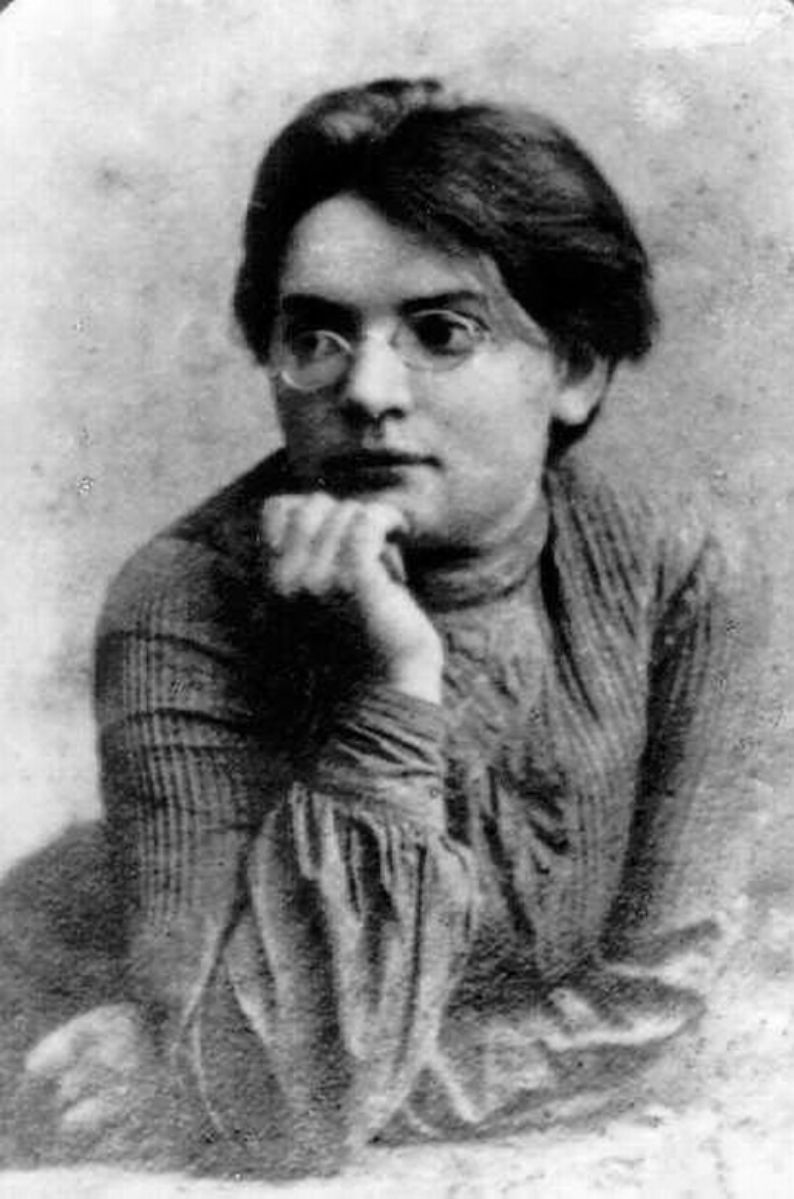
Manya Shochat (Hebrew: מניה שוחט; also Mania, Wilbuszewicz/Wilbushewitz; later Shochat; 1880–1961) was a Russian-Jewish politician who was a leading figure in the Zionist movement. She was influential in the establishment of kibbutzim in Palestine in the early 1900s, which laid the groundwork for the establishment of the State of Israel in 1948.
Manya Wilbushewitch was born in the Grodno Governorate of the Russian Empire (present-day Belarus) to wealthy Jewish parents and grew up on the family estate near Łosośna. She was a descendant of Comte Vibois, an officer in Napoleon's army who converted to Judaism after marrying a Jewish woman. One of her brothers, Isaac, studied agriculture in Russia. He was expelled for slapping a professor who, in the course of a lecture, stated that the Jews were sucking the blood of the farmers in Ukraine. In late 1882, he left for Palestine and joined the Bilu movement. His letters home were a powerful influence on young Manya. Another one of her brothers, an engineer named Gedaliah, also went to Palestine in 1892 and helped fund his younger siblings' education.
As a young adult, Manya went to work in her brother's factory in Minsk to learn about working class conditions. In 1899, she was imprisoned and underwent lengthy interrogations about her contacts with Bund revolutionaries. Whilst in prison she fell in love with Sergey Zubatov, agent provocateur and head of the Tsarist Secret Police in Moscow. Zubatov conceived a plan that matched Manya's ideological notions, through which workers would form "tame" organizations that would work for reform rather than for overthrow of the government. She was persuaded that this would also help achieve rights for Jews. Manya proceeded to found the Jewish Independent Labor Party in 1901. The party was successful in leading strikes because the secret police supported it, but was loathed by the Bund and other Jewish socialist groups. The party collapsed and its members rounded up in 1903 following the Kishinev pogrom. Experiencing, as she put it, 'severe emotional distress' following the failure of her political organization and arrest of her friends she contemplated suicide. According to Shabtai Teveth she killed a door-to-door salesman who called at her hideout in Odessa thinking he was a member of the secret police. She dismembered the body and sent the remains to four different locations of the Russian Empire. She accepted an invitation from her brother Nachum, who was the founder of the Shemen soap factory in Haifa, to accompany him on a research expedition to some of the wilder places of Palestine. She arrived on January 2, 1904.
"I couldn't see what direction I should take in my life. I agreed to join my brother's expedition, because, in fact, I was indifferent to everything. For me it was just another adventure."
"The Hauran remained without a redeemer - and my soul cleaved unto this place."
Manya fell in love with the beauty of the land and was especially touched by the plight of the Jewish settlement in the Hauran. Baron Edmond de Rothschild had bought land in the area, but the Ottoman government stipulated that no Jews be allowed to settle there. A small group that had disregarded the decision was evicted, so the Baron resorted to leasing out the plots of land to Arab Fellahin. Manya decided to visit all of the Baron's colonies and see for herself why they were in financial straits. She became acquainted with and was greatly impressed by Yehoshua and Olga Hankin. Her decision to stay was due in a large part to their influence.
Manya came from a wealthy non-religious Jewish family. Her father, Ze’ev Wilbuschewitz, owned a flour factory in Grodno, then part of the Russian Empire. He sent all of his five sons to study engineering at universities across Europe; Berlin, Zurich and Petersburg. Four of the brothers eventually migrated to Palestine. The first, Isaac, arrived in 1884, as part of the Bilu’im movement, but he died soon after of Yellow Fever. Next was Gedaliah, (1865-1932), who first arrived in 1892. He was a partner in setting up a metal work factory but left 3 years later. Returning in 1912 he was structural engineer for the first Technion building as well as the Reali Secondary School in Haifa. When Turkey joined the war Gedaliah became chief engineer for the army Headquarters in Damascus. The rest of his career was spent on major engineering works around Haifa; Nesher cement works, Haifa’s first electricity buildings, and the Shemen factory. The Shemen edible oil factory, established in 1924, producing soap and olive-oil, was managed by a third brother, Nahum, (1879-1971), who had previously, in 1905, set up an edible oil factory near Lydda, followed, in 1910, by the Atid edible oil factory in Haifa. In 1917 he was conscripted into the Turkish army and joined Gedaliah in Damascus. After the war he founded Shemen and was its Managing Director until he retired. The last brother, Moshe, (1869-1952), arrived in 1919, aged 50, he took part in the building of the Nesher factory, as well as the founding and management of Shemen. Manya also had an older sister who suffered from depression.
In May 1908, Manya married Israel Shochat, who was 9 years younger than her. She had 2 children with him: Gideon (Geda), 1912, and Anna, 1917.
Hub AI
Manya Shochat AI simulator
(@Manya Shochat_simulator)
Manya Shochat
Manya Shochat (Hebrew: מניה שוחט; also Mania, Wilbuszewicz/Wilbushewitz; later Shochat; 1880–1961) was a Russian-Jewish politician who was a leading figure in the Zionist movement. She was influential in the establishment of kibbutzim in Palestine in the early 1900s, which laid the groundwork for the establishment of the State of Israel in 1948.
Manya Wilbushewitch was born in the Grodno Governorate of the Russian Empire (present-day Belarus) to wealthy Jewish parents and grew up on the family estate near Łosośna. She was a descendant of Comte Vibois, an officer in Napoleon's army who converted to Judaism after marrying a Jewish woman. One of her brothers, Isaac, studied agriculture in Russia. He was expelled for slapping a professor who, in the course of a lecture, stated that the Jews were sucking the blood of the farmers in Ukraine. In late 1882, he left for Palestine and joined the Bilu movement. His letters home were a powerful influence on young Manya. Another one of her brothers, an engineer named Gedaliah, also went to Palestine in 1892 and helped fund his younger siblings' education.
As a young adult, Manya went to work in her brother's factory in Minsk to learn about working class conditions. In 1899, she was imprisoned and underwent lengthy interrogations about her contacts with Bund revolutionaries. Whilst in prison she fell in love with Sergey Zubatov, agent provocateur and head of the Tsarist Secret Police in Moscow. Zubatov conceived a plan that matched Manya's ideological notions, through which workers would form "tame" organizations that would work for reform rather than for overthrow of the government. She was persuaded that this would also help achieve rights for Jews. Manya proceeded to found the Jewish Independent Labor Party in 1901. The party was successful in leading strikes because the secret police supported it, but was loathed by the Bund and other Jewish socialist groups. The party collapsed and its members rounded up in 1903 following the Kishinev pogrom. Experiencing, as she put it, 'severe emotional distress' following the failure of her political organization and arrest of her friends she contemplated suicide. According to Shabtai Teveth she killed a door-to-door salesman who called at her hideout in Odessa thinking he was a member of the secret police. She dismembered the body and sent the remains to four different locations of the Russian Empire. She accepted an invitation from her brother Nachum, who was the founder of the Shemen soap factory in Haifa, to accompany him on a research expedition to some of the wilder places of Palestine. She arrived on January 2, 1904.
"I couldn't see what direction I should take in my life. I agreed to join my brother's expedition, because, in fact, I was indifferent to everything. For me it was just another adventure."
"The Hauran remained without a redeemer - and my soul cleaved unto this place."
Manya fell in love with the beauty of the land and was especially touched by the plight of the Jewish settlement in the Hauran. Baron Edmond de Rothschild had bought land in the area, but the Ottoman government stipulated that no Jews be allowed to settle there. A small group that had disregarded the decision was evicted, so the Baron resorted to leasing out the plots of land to Arab Fellahin. Manya decided to visit all of the Baron's colonies and see for herself why they were in financial straits. She became acquainted with and was greatly impressed by Yehoshua and Olga Hankin. Her decision to stay was due in a large part to their influence.
Manya came from a wealthy non-religious Jewish family. Her father, Ze’ev Wilbuschewitz, owned a flour factory in Grodno, then part of the Russian Empire. He sent all of his five sons to study engineering at universities across Europe; Berlin, Zurich and Petersburg. Four of the brothers eventually migrated to Palestine. The first, Isaac, arrived in 1884, as part of the Bilu’im movement, but he died soon after of Yellow Fever. Next was Gedaliah, (1865-1932), who first arrived in 1892. He was a partner in setting up a metal work factory but left 3 years later. Returning in 1912 he was structural engineer for the first Technion building as well as the Reali Secondary School in Haifa. When Turkey joined the war Gedaliah became chief engineer for the army Headquarters in Damascus. The rest of his career was spent on major engineering works around Haifa; Nesher cement works, Haifa’s first electricity buildings, and the Shemen factory. The Shemen edible oil factory, established in 1924, producing soap and olive-oil, was managed by a third brother, Nahum, (1879-1971), who had previously, in 1905, set up an edible oil factory near Lydda, followed, in 1910, by the Atid edible oil factory in Haifa. In 1917 he was conscripted into the Turkish army and joined Gedaliah in Damascus. After the war he founded Shemen and was its Managing Director until he retired. The last brother, Moshe, (1869-1952), arrived in 1919, aged 50, he took part in the building of the Nesher factory, as well as the founding and management of Shemen. Manya also had an older sister who suffered from depression.
In May 1908, Manya married Israel Shochat, who was 9 years younger than her. She had 2 children with him: Gideon (Geda), 1912, and Anna, 1917.