Hubbry Logo
Marcus DalyMarcus DalyMain
Open search
Marcus Daly
Community hub
Marcus Daly
logo
8 pages, 0 posts
0 subscribers
Be the first to start a discussion here.
Marcus Daly
Marcus Daly
from Wikipedia

Marcus Daly (December 5, c. 1840s – November 12, 1900) was an Irish-born American businessman known as one of the four Copper Kings of Butte, Montana, United States.[1][2][3]

Key Information

Early life

[edit]

Daly emigrated from County Cavan, Ireland, to the United States as a young boy, arriving in New York City. He sold newspapers and worked his way to California in time to join the gold rush on what was to become Virginia City, Nevada, and the extremely rich silver diggings now known as the Comstock Lode, in 1860.[4]: 27 

Career

[edit]

Daly gained experience in the mines of the Comstock under the direction of John William Mackay and James G. Fair.[4]: 26  While working in the mines of Virginia City, Daly met and befriended George Hearst and partners James Ben Ali Haggin and Lloyd Tevis, co-owners of the Ophir Mining Company. (Hearst's son was William Randolph Hearst). In 1872, Daly would recommend purchase by the Hearst group the Ontario mine, near Park City, Utah. In ten years, the Ontario produced $17 million and paid $6,250,000 in dividends, and made many millions for Hearst, Tevis and Haggin.[4]: 52 

Their business friendship was to extend for many years and help establish the Anaconda Copper Mine in Butte, Montana. Daly originally came to Butte in August 1876 to look at a mine, the Alice, as an agent for the Walker brothers of Salt Lake City.[4]: 46 [5] The Walkers purchased the mine, installed Daly as superintendent and awarded him a fractional share of the mine.[4]: 50  The Walkers became the namesakes of Walkerville, which formed around the Alice.[5]

Always an energetic engineer and geologist with a keen eye for paying ore, Daly noticed while working underground in the Alice, that there were significant deposits of copper ore. He gained access into several other mines in the area and concluded that the hill was full of copper ore. He envisioned an ore body several thousand feet deep, some veins of almost pure copper that would be worth hundreds of millions of dollars. He urged his employers, the Walker Bros. to purchase the Anaconda and when they refrained, Daly bought it. Daly founded his fortune on the Anaconda Copper Mine in Butte, after selling his small share of the Alice Mine, for $30,000.[4]: 50–52 

In 1886, Daly bought property in Hamilton, Montana, building a summer residence and creating the Bitterroot Stock Farm, a 22,000 acre ranch and horse breeding facility. The ranch included a stable called Tammany Castle, built for his prize-winning thoroughbred Tammany, a racetrack, and veterinary clinic, amongst other operations like apple orchards and cattle. These were built around the family's residence, the Daly Mansion. In order to bring water to the agricultural fields, Daly invested in several ditch companies to build irrigation canals throughout the valley. Shortly thereafter he became involved in the timber industry in the Bitterroot Valley, purchasing acres of timberland and building sawmills to provide fuel for the smelters in Anaconda. Daly continued to invest in the area, developing infrastructure for the growing workforce. Daly opened the Bitterroot Development Company Store in 1890, which became the Valley Mercantile 18 years later.[6]

The Anaconda

[edit]

The Anaconda began as a silver mine, but Daly's purchase was for the copper, found to be one of the largest deposits known at the time. However, he lacked the money to develop it, so he turned to Hearst, Haggin and Tevis.[4]: 48–49, 52–53  Backed with many millions of dollars, he set out upon developing The Richest Hill on Earth. The first couple hundred feet within the mine were rich in silver, and took a few years to exhaust. By that time, Butte's other silver mines were also playing out, so Daly closed the Anaconda, St Lawrence and Neversweat mines. Prices on surrounding properties dropped and Daly quietly purchased them. Then he re-opened the Anaconda as a copper mine and announced to the world that Butte was "The Richest Hill on Earth".[4]: 64, 67  Shortly before this time, Thomas Edison had developed the light bulb and built a city block in New York to show off what electricity could do.[7] The world would need copper as it was an excellent conductor of electricity. Butte had copper. In 1882, nine million tons of copper were mined from a five-square-mile region. Just 14 years later the area was producing 210 million pounds of copper.[8]

He built a smelter to handle the ore, and by the late 1880s, had become a millionaire several times over, and owner of the Anaconda Mining and Reduction Company. Daly owned a railroad, the Butte, Anaconda and Pacific Railroad to haul ore from his mines to his smelter in Anaconda, a city he founded for his employees to work the smelters. Anaconda's smelters quickly became the world's largest metallurgical plant.[8] Daly's lumber and investment interests in the Bitterroot Valley spurred the creation of a rail line by the Northern Pacific Railway in Hamilton.[6] This railway transported massive amounts of lumber to Anaconda for the smelters.[9]

In 1894, Daly spearheaded an energetic but unsuccessful campaign to have Anaconda designated as Montana's state capital, but lost out to Helena, which was supported by William Andrews Clark.[4]: 111–113  Daly was active in Montana politics throughout the 1890s, because of his opposition and intense rivalry with fellow copper king, and future U.S. Senator, William Clark.[4]: 46–47  Daly tried to keep Clark out of office by lavishly supporting Clark's opponents.[10]

In 1898, Daly went looking for a buyer of his company. He entered into negotiations with William Rockefeller and Henry H. Rogers of John D Rockefeller's Standard Oil of Ohio. The Anaconda Mining Company (and associated interests) were purchased in 1899 for $39 million and became Amalgamated Copper Mining Company. Daly was made president of the company in 1899 and died the following year in 1900.[6]

Thoroughbred horse racing

[edit]

Daly invested some of his money in horse breeding at his Bitterroot Stock Farm located near Hamilton. A number of his horses were successful, which some speculators attributed to the elevation and climate of Hamilton, and others to the rich feed produced by the valley.

In 1891, Daly became the owner of Tammany, identified as Horse of the Year in 1893. He owned and stood Inverness, sire of Scottish Chieftain, as well as Hamburg, Ogden, and The Pepper. Scottish Chieftain is the only horse born in Montana that has won the Belmont Stakes.[11] He also arranged the breeding of the great Sysonby, ranked number 30 in the top 100 U.S. thoroughbred champions of the 20th Century by Blood-Horse magazine, though Daly died before the horse was born. In 1956, Sysonby was made a member of the Racing Horse Hall of Fame.[12]

Following his death, New York's Madison Square Garden hosted a dispersal sale for the Bitterroot thoroughbred stud, beginning on January 31, 1901; 185 horses were sold the first day for $405,525.[13]

Legacy

[edit]
Margaret Daly's house, Riverside, near Hamilton

Daly's legacy was a mixed one for Anaconda. From 1885 to 1980, the smelter was one of the town's largest employers and provided well-paid jobs for generations. When the smelter closed in 1980, during a labor strike, 25% of the town's workforce was put out of work and the town has not recovered. The smelter itself was torn down as part of environmental cleanup efforts in the 1990s, although the smokestack is still in place, visible for many miles across the valley, above the town.

Daly's legacy was equally mixed for Butte. The Anaconda Company was bought out by the Amalgamated Copper Mining Company in 1899, and by the 1920s it controlled mining in the city. It continued to be one of the state's largest employers and a mainstay of the state and local economies until the 1970s. In the 1950s, the ACM began open-pit mining in Butte, creating a steadily growing pit, known as the Berkeley Pit, east of the main business district. In the mid-1970s, copper prices collapsed and the ACM was bought out by the Atlantic Richfield Company, (ARCO). ARCO ceased mining in Butte in 1980 and shut off the deep pumps in 1982, ending what Daly had begun almost exactly 100 years before. Montana Resources, owned by the Washington Group, as of 2007, operates an open pit copper and molybdenum mine in Butte, and also recovers copper from the water in the Berkeley Pit. In 1980 the Berkeley Pit, the Clark Fork River and the smelter outside the town of Anaconda, MT were declared federal Superfund sites by the US EPA.

A statue of Daly by Augustus Saint-Gaudens stands at the main entrance to Montana Tech of the University of Montana (formerly the Montana School of Mines), at the west end of Park Street in Butte.

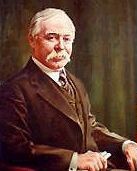
A drawing of Daly by the Swiss-born American artist Adolfo Müller-Ury (1862–1947) was acquired in 2009 by the American National Portrait Gallery in Washington D.C.

Riverside, the summer home of the Daly Family, is located in Hamilton, Montana and open to visitors. Margaret Daly, Marcus' wife, had the home remodeled after his death into a Georgian-Revival Style Colonial.[14]

The Marcus Daly Memorial Hospital, located in Hamilton, Montana, now called Bitterroot Health-Daly Hospital, was incorporated on December 18, 1929.

Hamilton also hosts the Daly Days celebration to honor Marcus Daly.

During WWII, the US Navy honored Marcus Daly with a liberty ship in honor of his accomplishments, the SS Marcus Daly. The ship served honorably during the war, from 1943 to the end of hostilities, earning several service medals in the process.

See also

[edit]

References

[edit]
[edit]
Revisions and contributorsEdit on WikipediaRead on Wikipedia
from Grokipedia

Marcus Daly (1841–1900) was an Irish-born American industrialist who amassed a fortune in copper mining by developing the Anaconda lode in Butte, Montana, transforming the region into one of the world's richest mineral districts. Immigrating to the United States at age 15 from a poor family in Ireland, Daly worked odd jobs in New York before heading west to California and Nevada, where he honed his mining skills during the Comstock Lode silver rush. By the 1870s, he had relocated to Butte, acquiring a stake in the Alice silver mine before purchasing the Anaconda claim in 1881, where persistent exploration revealed vast copper deposits beneath the silver veins, leading him to pivot to copper extraction.
Daly founded the Anaconda Copper Mining Company, constructing the massive Washoe smelter in the company town of Anaconda, Montana, which by the late 1880s produced millions in annual revenue and established the firm as a dominant force in global copper production. His business empire expanded to include railroads like the Butte, Anaconda and Pacific Railway, coal mines, timber operations, banks, a newspaper, and water utilities, while he earned a reputation for relatively fair treatment of workers amid the era's labor tensions. As one of Butte's "Copper Kings," Daly engaged in fierce rivalries with magnates such as William A. Clark, influencing Montana politics through support for Democratic candidates and opposition to rivals' senatorial bids, though these conflicts underscored the cutthroat competition driving industrial growth. Beyond mining, he invested in a 20,000-acre Bitterroot Valley ranch, breeding thoroughbred racehorses and developing agricultural pursuits that reflected his vision for diversified enterprise. Daly died in New York City in 1900 after trading his Anaconda interests for shares in the newly formed Amalgamated Copper Company, leaving a legacy of economic transformation in Montana that persisted through his company's enduring influence.

Early Life

Origins and Immigration

Marcus Daly was born on December 5, 1841, in the townland of Derrylea near Ballyjamesduff, County Cavan, Ireland, to Luke Daly, a landless laborer, and Mary Coyle, in a family of ten children from impoverished Catholic peasant stock. The Daly household endured severe economic deprivation in the rural Ulster countryside, exacerbated by the aftermath of the Great Famine of 1845–1852, which had decimated Ireland's population and economy through starvation, disease, and mass emigration. As a child, Daly contributed to family survival through field labor on estates owned by absentee landlords, with any education limited to basic literacy acquired informally or through local hedge schools. In May 1856, at age 14, Daly emigrated alone from Ireland to the United States, boarding a ship from Liverpool to New York City, driven by prospects of employment unavailable in famine-ravaged Ireland. Upon arrival, he possibly reunited with an older sister, Anna, already settled there, and supported himself through menial urban tasks such as selling newspapers on street corners and assisting in construction or factories—common occupations for unskilled Irish immigrant youths facing nativist prejudice and labor competition. By 1860, restless for greater opportunities amid the declining East Coast economy for immigrants, the teenage Daly joined the westward migration, traveling overland or by sea to California, which still beckoned with residual promise from the 1849 Gold Rush era despite its peak having passed. This move exemplified the adaptability and resourcefulness required of young Irish arrivals, who often navigated transcontinental journeys with minimal resources to escape urban poverty and seek frontier self-advancement.

Initial Mining Experiences

After immigrating to the United States in 1856 at age fifteen, Marcus Daly briefly resided in New York before heading west, arriving in California around 1861 where he began mining as a mucker, or clean-up worker, in gold mines. Lacking formal education, he quickly developed practical skills through hands-on labor, including pick-and-shovel work that honed his understanding of underground operations. By 1863, Daly had crossed the Sierra Nevada to Virginia City, Nevada, joining the Comstock Lode silver mines, where he worked under prominent operators such as John Mackay and James G. Fair. There, he advanced from basic labor to roles involving technical mining tasks, gaining expertise in identifying high-grade ore veins—a skill rooted in silver extraction that emphasized visual and tactile assessment amid challenging underground conditions. His reputation for reliability and knowledge grew, enabling modest savings from wages despite the era's low pay for non-specialized miners, typically around $4 per day. In 1871, at approximately age thirty, Daly relocated to Ophir, Utah, securing a supervisory position as foreman for the Walker Brothers' mining interests, overseeing operations in silver and other deposits. This progression from entry-level laborer to manager reflected his self-taught proficiency in mine management, ventilation, and ore handling, accumulated without academic training but through persistent observation and adaptation in diverse geological settings. These experiences built a foundation of empirical mining knowledge, distinguishing him among peers for his ability to maximize output in labor-intensive environments.

Rise in Montana Mining

Arrival and Early Claims

Marcus Daly arrived in Butte, Montana, in August 1876 during the territory's burgeoning silver mining boom, dispatched by the Walker Brothers, a Salt Lake City investment firm with interests in western mining ventures. Acting as their agent, he inspected and recommended the acquisition of the Alice silver mine in nearby Walkerville for $30,000, subsequently managing its operations and acquiring a one-fifth personal stake in the property. This move positioned Daly amid Butte's transitional mining landscape, where initial gold strikes had given way to silver lodes that drew prospectors and capital from across the region, yielding over $900,000 in silver bullion by 1878. Through his role with the Walkers, Daly honed skills in claim assessment and speculation, purchasing undervalued stakes in Butte's silver properties while networking with regional financiers who recognized the hill's mineral wealth. His acumen shone in identifying overlooked opportunities; by 1880, he sold his Alice interest at a substantial profit, leveraging the proceeds to pivot toward emerging prospects beyond silver's dominance. This period marked Daly's shift from itinerant miner to claim owner, as he discerned Butte's geological hints of deeper copper potential amid silver veins, foreshadowing the district's evolution without yet committing to large-scale development.

Discovery and Development of Anaconda Copper

In 1880, Marcus Daly, leveraging his prior mining expertise, purchased the Anaconda silver claim on Butte's Anaconda Hill for $30,000 with financial backing from investors, initially targeting silver ore extraction amid the district's established precious metals prospects. Exploratory work soon shifted focus when surface silver assays disappointed, prompting deeper that intersected a rich copper vein approximately 50 feet wide in 1882, revealing an extensive porphyry deposit rather than the anticipated silver lode. This discovery occurred at a time when copper demand was rising for electrical and telegraph applications, though market prices remained volatile and low, underscoring the geological and financial risks Daly navigated by prioritizing copper development over abandoning the claim. Daly's strategic acumen shone in maintaining operational secrecy to prevent speculative price inflation on surrounding properties, enabling discreet acquisitions of adjacent claims as nearby silver operations faltered, thereby securing control over Butte's emerging copper-rich zone. By 1886, these efforts culminated in the formal organization of the Anaconda Copper Mining Company, which rapidly scaled production through advanced deep-shaft techniques suited to the disseminated porphyry ore body, diverging from shallower precious metals mining prevalent in the area. Initial outputs were modest, but by the early 1890s, annual copper yields exceeded 17 million dollars in value, transforming the Anaconda into a cornerstone of what became known as the "Richest Hill on Earth" and propelling Daly's enterprise to dominance in Montana's mineral district.

Business Expansion and Innovations

Consolidation of Mining Operations

Following the discovery of extensive copper deposits at the Anaconda claim in 1880, Marcus Daly initiated a strategy of discreet acquisitions of adjacent mining properties in the Butte district to secure contiguous control over the underlying ore bodies. Partnering with California investors George Hearst, James Ben Ali Haggin, and Lloyd Tevis, Daly incorporated the Anaconda Copper Mining Company in 1881, using it as the vehicle for these expansions, which by the late 1880s encompassed multiple claims forming a unified operational block. This approach minimized competitive interference and enabled efficient extraction from interconnected veins, prioritizing deep underground shaft mining to access high-grade copper sulfides. Daly's consolidation extended to vertical integration, incorporating ore reduction facilities to process output locally rather than shipping to distant refineries, thereby reducing costs and enhancing market leverage in the 1880s and 1890s. By 1890, the Anaconda company's annual production value reached $17 million, surpassing many rivals through scale advantages from these acquisitions. Continuing this buildup, Daly acquired stakes in complementary operations, culminating in the 1899 formation of the Amalgamated Copper Mining Company, which merged Anaconda with the Boston and Montana Consolidated and Butte and Boston Consolidated companies, backed by Standard Oil principals including Henry H. Rogers. The Amalgamated deal valued Daly's holdings at $39 million in stock and cash, reflecting the empire's dominance; by 1900, Anaconda-linked operations accounted for a substantial share of U.S. copper output, with Daly's personal wealth estimated at around $50 million prior to his death. This restructuring solidified market control but marked Daly's shift from direct management, as health declined.

Technological and Infrastructural Advances

Under Marcus Daly's leadership, the Anaconda Copper Mining Company pioneered deep-shaft mining techniques in Butte, Montana, exemplified by the deepening of the Anaconda shaft to 180 meters by 1884, which uncovered substantial chalcocite copper ore bodies and enabled large-scale extraction previously unfeasible with shallower silver-focused operations. This approach involved systematic probing and development, as Daly directed aggressive underground exploration starting in 1880 to access richer veins, contrasting with competitors' surface-level efforts and laying the groundwork for Butte's transformation into a premier copper district. Daly introduced electric lighting to Montana mining as early as late 1880 at the Alice Mine, which he managed, marking the first such installation in the territory and reducing reliance on hazardous open flames while improving productivity in underground workings. By the 1890s, the Anaconda Company extended electrical power systems to its operations, including street railways and mine illumination, which lowered operational hazards and costs amid expanding output. The company constructed its inaugural smelter in Anaconda in 1883–1884 to process Butte ores on-site, avoiding costly shipments abroad and evolving into the world's largest facility under Daly's syndicate-backed expansion. Complementing this, Daly incorporated the Butte, Anaconda and Pacific Railway in 1892, a 26-mile electric-powered line dedicated to ore transport from mines to the smelter, streamlining logistics and minimizing dependency on external carriers. To support workforce stability, Daly developed Anaconda as a planned company town from its 1883 founding, providing subsidized housing, a company store, schools, and utility infrastructure like water and power systems, which attracted skilled laborers and fostered a stable labor pool essential for smelter and mine scalability. These amenities, funded through company real estate ventures, included early educational facilities operational by the mid-1880s, reflecting a calculated investment in human capital over mere extraction.

Rivalries and Political Maneuvering

Conflicts with Other Copper Kings

Marcus Daly engaged in fierce corporate rivalries with William A. Clark and F. Augustus Heinze over dominance of Butte's copper deposits, involving aggressive expansion, overlapping mining claims, and control of essential resources like water for smelters during the 1880s and 1890s. Daly's Anaconda Copper Mining Company, backed by California investors including James Ben Ali Haggin and Lloyd Tevis, pursued expansive underground development that frequently encroached on rivals' territories, sparking protracted legal disputes under Montana's apex and extra-lateral rights laws, which permitted claim owners to extract veins extending laterally beyond surface boundaries if they originated (apexed) on their property. A key flashpoint in the Daly-Clark conflict was Clark's purchase of critical water rights in the late 1880s, which threatened to undermine the operations of Daly's newly constructed smelter at Anaconda, essential for processing vast copper outputs from Butte mines. This move exacerbated tensions over resource allocation and market share, as both magnates vied to consolidate holdings in the district's intricate vein systems, leading to mutual accusations of claim encroachment and covert surveying to map subsurface ore bodies for advantage. Daly countered through relentless litigation and strategic alliances, fortifying Anaconda's position against Clark's independent mines. Heinze, entering as a younger disruptor in the mid-1890s, intensified the battles by forming companies like the United Copper Securities Company to exploit legal loopholes for claim jumping, asserting extra-lateral rights to siphon ore from beneath Anaconda's surface claims and prompting injunctions and courtroom clashes. Anaconda responded with hired engineers for detailed underground mapping and lawsuits to block Heinze's incursions, reflecting Daly's reliance on both technological innovation and judicial muscle to safeguard territorial gains. These encounters often involved ruthless tactics, including reported intimidation of workers and rival surveyors, heightening the personal stakes amid Butte's chaotic mining environment. The rivalries peaked with the April 1899 formation of the Amalgamated Copper Mining Company, a $75 million trust that absorbed Anaconda's assets in exchange for shares, integrating Daly's operations with eastern financiers like Henry H. Rogers of Standard Oil and effectively sidelining independent challengers by establishing monopoly control over production. While this consolidation secured Daly's faction's dominance—producing half of U.S. copper by 1900—it entrenched deep-seated grudges, with Daly and Clark maintaining open enmity until Daly's death.

Influence on Montana Politics and Legislation

Marcus Daly played a pivotal role in Montana's transition to statehood on November 8, 1889, by leveraging his financial resources to influence the placement of the state capital, advocating aggressively for Anaconda over Helena to centralize governance near his mining operations. He reportedly expended approximately $2.5 million in this effort, including direct incentives to legislators and communities, far outpacing rival William A. Clark's $500,000 commitment to Helena's cause, which ultimately prevailed in the constitutional convention vote. This campaign exemplified Daly's strategy of aligning political outcomes with economic imperatives, ensuring proximity to smelters and rail lines under his control. To amplify his political messaging, Daly established the Anaconda Standard in 1889 as a key instrument of influence, using it to disseminate favorable narratives on statehood, capital location, and anti-rival propaganda targeting Clark's interests. The newspaper served as an extension of his operations, with editors aligned to promote Anaconda's candidacy and criticize competitors, effectively shaping public and legislative opinion in a territory where print media held sway over sparse populations. This control extended to acquiring additional outlets, such as the Great Falls Tribune, to broaden propaganda reach during critical votes. As a staunch Democrat, Daly backed party candidates to secure legislative majorities favorable to mining, including interventions in U.S. Senate contests where he opposed Clark's ambitions through proxy alignments and funding rival slates. His faction's resistance contributed to prolonged deadlocks in Montana's early senatorial elections, such as those in 1890 and 1895, where business rivalries dictated voting blocs and delayed federal representation. This maneuvering ensured Democratic dominance in the state legislature, which passed measures shielding copper interests from territorial oversight. Daly's lobbying extended to shaping mining legislation, prioritizing low taxation on ore extraction and restrictions on labor organizing to maintain operational efficiency amid Gilded Age competition. He influenced defeats of proposed tax hikes on consolidated mines, preserving profitability for Anaconda while countering initiatives that would have imposed fairer assessments on large operators. Against emerging rivals like F. Augustus Heinze, Daly secured legislative favors, including claim validations and regulatory hurdles, through allied lawmakers who prioritized established copper kings over speculative entrants. These efforts entrenched Anaconda's dominance in state policy until his death in 1900.

Diversified Interests

Thoroughbred Horse Breeding and Racing

Marcus Daly established the Bitter Root Stock Farm in Montana's Bitterroot Valley in 1886, initially acquiring land that expanded to approximately 22,000 acres dedicated to equine breeding and training. The operation focused on both thoroughbred racing stock and trotters, with Daly importing foundational thoroughbred mares from England, such as Optime, to cross with prominent sires like Melton, a winner of the 1885 English Derby and St. Leger Stakes. This selective importation aimed to elevate American bloodlines through rigorous breeding programs conducted on the farm's expansive facilities. Daly's thoroughbred program yielded notable racing successes, including the 1889 Kentucky Derby victory by Scottish Chieftain, a horse foaled near Twin Bridges, Montana, and trained at one of Daly's round barns before competing at Churchill Downs. Another standout, Tammany—purchased by Daly in 1891 for $2,500 and foaled in Tennessee in 1889—secured wins in the 1892 Lawrence Realization Stakes and Withers Stakes at New York's Belmont Park, establishing Daly's reputation for producing competitive runners. Horses like Hamburg and Sysonby, bred from Daly's stock, further demonstrated the farm's output, with Sysonby later achieving an undefeated streak in major American races from 1904 to 1905. Complementing thoroughbred efforts, Daly bred harness racing trotters suited to the Bitterroot's terrain, maintaining up to 1,200 horses across divisions during his lifetime and constructing specialized infrastructure including outdoor and covered racetracks, a horse hospital, and training barns. He developed private tracks in Butte and Anaconda for testing his stock, blending agribusiness scale with performance evaluation. The farm's breeding stock contributed to the broader U.S. equine sector, as evidenced by post-Daly sales catalogs dispersing thoroughbreds that influenced subsequent generations of racers.

Land Development and Other Ventures

In the late 1880s, Marcus Daly acquired over 22,000 acres in Montana's Bitterroot Valley, establishing the Bitter Root Stock Farm as a hub for diversified agricultural operations beyond mining. This expansive holding, initiated around 1887, included initiatives to convert semi-arid terrain into viable farmland through systematic irrigation. Daly financed and constructed key ditches, such as the Republican Ditch originating near Corvallis, which channeled water from the Bitterroot River to irrigate thousands of acres, enabling the cultivation of extensive orchards and support for ranching activities. These projects, drawing on engineering principles akin to his mining infrastructure, boosted productivity by transforming marginal lands into areas yielding fruits, grains, and livestock fodder, with orchards planted across significant portions of the estate. Daly extended his industrial approach to urban development by founding the town of Anaconda in 1883 to support his copper smelting operations. He orchestrated the layout of residential and commercial districts, complete with worker housing, schools, and basic utilities, to attract and retain labor for the massive Washoe smelter complex on Warm Springs Creek. This planned community reflected pragmatic investment in human capital, incorporating amenities like company-provided facilities to enhance efficiency and stability among employees, though primarily serving operational needs rather than pure altruism. Beyond agriculture and town-building, Daly pursued complementary infrastructure ventures, including power plants and expanded irrigation networks that underpinned both rural and emerging urban economies in western Montana. These efforts, integrated with his broader resource extraction model, facilitated reliable energy for milling and smelting while fostering ancillary growth in areas like Hamilton, adjacent to his Bitterroot holdings, where irrigation and land improvements spurred local farming communities.

Personal Life and Family

Marriage and Children

Marcus Daly married Margaret Price Evans, commonly known as "Maggie," in 1872 in Salt Lake City, Utah, shortly after meeting her while serving as a mine foreman in Ophir. The couple's union reflected Daly's personal stability amid his rising career in mining, with Margaret providing support in managing family affairs as his wealth grew. The Dalys had four children who survived to adulthood: daughters Margaret Augusta (born 1873 in Ophir, Utah), Mary (born circa 1875-1876 in Ophir, Utah), and Harriet Holmes (born circa 1880-1884 in Montana), along with son Marcus Haggin Daly Jr. (born 1882 in Montana). Daly prioritized family upbringing in the context of his Catholic heritage, ensuring the children were raised with traditional values while benefiting from the social elevation tied to his industrial success in Butte and Anaconda. Margaret Evans Daly played a central role in household management and family cohesion, overseeing domestic life across residences and fostering a stable environment that complemented her husband's demanding business pursuits. Her influence extended to guiding the children's early development, though specific details on their formal education remain limited in contemporary accounts.

Residences and Lifestyle

Marcus Daly maintained residences that reflected both his business necessities and accumulated wealth. In Butte, Montana, where he oversaw his copper mining operations, Daly resided during much of his career, though detailed descriptions of his primary home there emphasize its functional role amid the industrial environment rather than opulence. For eastern business dealings, Daly leased a prominent house at 725 Fifth Avenue in New York City, recently constructed by William Waldorf Astor, under a ten-year agreement beginning around 1897. This urban property provided access to financial and social networks essential for his ventures. Daly's most extravagant residence was the Riverside estate, later known as the Daly Mansion, in Hamilton, Montana, within the Bitterroot Valley. Originally built as a modest farmhouse in 1886, it underwent significant remodeling in 1897 into a three-story Queen Anne-style Victorian mansion spanning 24,000 square feet on 50 acres, featuring 42 rooms including 25 bedrooms and 15 bathrooms, along with seven fireplaces—five crafted from imported Italian marble. The property, part of his larger 22,000-acre Bitterroot Stock Farm, incorporated exotic elements such as foreign plants and served primarily as a summer retreat for relaxation and hosting guests. Daly's daily habits centered on vigilant monitoring of his mining enterprises, often involving travel across Montana's rail network to inspect operations personally. Despite his fortune, accounts portray him as maintaining straightforward personal conduct, prioritizing operational efficiency over ostentatious displays in his routine attire and demeanor, which contrasted with the era's typical Gilded Age extravagance among peers. He engaged in socializing with business associates and elites, particularly at the Bitterroot estate where extensive entertaining occurred.

Death and Succession

Final Years and Health

In the mid-1890s, Marcus Daly began experiencing symptoms of Bright's disease, a chronic kidney condition characterized by albuminuria, edema, and hypertension, which progressively weakened his health amid his demanding oversight of mining and smelting operations. Despite the illness, he maintained active involvement in business mergers, including his role in forming the Amalgamated Copper Company in 1899, becoming its president shortly before his condition worsened significantly. Daly traveled eastward for specialized treatments, reflecting the limited medical options available in Montana at the time, yet his relentless work ethic—rooted in decades of hands-on management from mine shafts to corporate boardrooms—exacerbated the physical toll, as contemporaries noted his refusal to fully delegate amid mounting fatigue and organ strain. By 1900, complications from Bright's disease, compounded by heart failure, confined Daly to New York City, where he sought further care at the Hotel Netherland. His final months involved sporadic supervision of Anaconda smelter enhancements to boost copper output efficiency, even as physicians urged rest; family members, including his wife Margaret, attended him closely, underscoring the personal strain of his unyielding drive that had propelled his empire but now hastened decline. On November 12, 1900, at age 59, Daly succumbed to the disease's ravages in New York, with immediate postmortem arrangements handled by relatives amid reports of his enduring vitality until the end.

Estate and Company Continuation

Daly's will, probated in Montana following his death on November 12, 1900, distributed his substantial fortune—derived primarily from shares in the Amalgamated Copper Company acquired in the 1899 sale of his Anaconda holdings for $39 million—to his widow, Margaret P. Daly, and their three surviving children: Marcus Daly Jr., Margaret Augusta Daly (later Sheldon), and Harriet N. Daly. Trusts established in the will facilitated the transfer of assets, including mining interests and real estate, minimizing immediate family litigation and preserving wealth across generations. Although Marcus Daly Jr. held family stakes in the copper enterprises, operational management of Anaconda transitioned promptly to professional executives appointed by the Amalgamated Copper Company's board, averting reliance on inexperienced heirs amid the competitive Montana mining landscape. The Amalgamated Copper Company, formed in April 1899 to consolidate control over Anaconda and subsidiary operations, ensured the entity's survival post-Daly by leveraging backing from H.H. Rogers and Standard Oil interests, which deterred takeover bids from rivals like F. Augustus Heinze. This holding structure maintained operational independence for Anaconda properties while stabilizing stock values through diversified assets and financial resources, avoiding acute transitional instability in the years immediately after 1900.

Legacy and Assessments

Economic Contributions to Montana

Marcus Daly's development of the Anaconda Copper Mining Company, founded in 1881 after acquiring the Anaconda claim, generated thousands of employment opportunities in Montana's mining sector, attracting immigrant laborers and fueling regional industrialization. By the end of 1885, the company's reduction works in Anaconda alone employed 1,700 workers, with operations expanding to support broader copper extraction from Butte's deposits. These jobs transformed remote frontier areas into viable economic hubs, exemplifying how targeted investment in mineral resources enabled upward mobility for workers, many of whom were European immigrants seeking prospects in the American West. The company's activities drove explosive population growth in key locales, turning Butte and Anaconda into boomtowns during the 1890s. Anaconda's population increased from approximately 4,000 to nearly 9,500 residents over the decade, directly tied to smelting and support operations. In Butte, the epicenter of copper production, the population reached about 40,000 by 1900, propelled by the shift from silver to copper mining that Daly championed. Annual copper output from Butte mines exceeded $17 million in value by 1890, injecting substantial capital into local commerce, banking, and ancillary industries. Daly's infrastructure investments further amplified economic efficiency and spillover effects. He constructed a massive smelter in Anaconda to process Butte ore, complemented by the 1892 establishment of the Butte, Anaconda and Pacific Railway, a dedicated line that lowered freight costs and accelerated ore transport. His company pioneered heavy railroad electrification to handle surging ore volumes, enhancing productivity in an era of rising electricity demand. Additionally, Daly developed power plants to supply operations, laying groundwork for regional electrification that supported sustained mining output. These advancements solidified copper as the backbone of Montana's economy, with Daly's ventures establishing the state's enduring mining heritage and enabling downstream growth in related sectors.

Criticisms of Business Practices

Daly's consolidation of mining claims in Butte exemplified aggressive speculation, as he purchased the Anaconda lode for $30,000 in 1880 despite its initial valuation as a silver prospect, then rapidly acquired surrounding properties to control vast copper reserves. This strategy enabled the Anaconda Copper Mining Company to dominate production, processing over 10% of the world's copper by the 1890s and prompting rivals to label him a monopolist akin to Gilded Age industrialists who cornered markets through vertical integration. Intense rivalries with competitors like William A. Clark and F. Augustus Heinze escalated into legal disputes over claim boundaries, underground vein apex rights, and water diversion for ore milling, with Daly deploying teams of attorneys to litigate and delay opponents' operations. These battles, peaking in the late 1890s, underscored criticisms of Daly's use of litigation as a tool for market exclusion rather than fair competition. In the 1892–1894 campaign to relocate Montana's territorial capital to Anaconda, Daly financed extensive lobbying efforts amid rampant corruption, including documented instances of voter payoffs such as whiskey distributions and cash incentives to miners, fueling accusations that his political tactics prioritized corporate influence over democratic processes. While Daly provided wages averaging $3 to $4 per day—above national mining norms—and cultivated alliances with the Butte Miners' Union for labor stability, detractors argued this approach fostered dependency and suppressed militant organizing, as evidenced by his reported aversion to independent union challenges that could disrupt production. Hazardous conditions in Anaconda-owned shafts, including frequent cave-ins and silicosis risks, persisted despite these incentives, highlighting debates over whether high pay compensated for exploitation or merely ensured compliance. The 1884 establishment of the Anaconda smelter generated dense plumes of arsenic- and sulfur-laden smoke, prompting early complaints from Deer Lodge Valley farmers in the 1880s and 1890s about livestock deaths and crop devastation from acid deposition, with medical reports documenting arsenical poisoning among residents. These issues, though not regulated until decades later, represented initial environmental externalities of Daly's operations, addressed through ad hoc company payments rather than systemic mitigation.

References

Add your contribution
Related Hubs
User Avatar
No comments yet.