
Recent from talks
Marine mammal
Knowledge base stats:
Talk channels stats:
Members stats:
Marine mammal
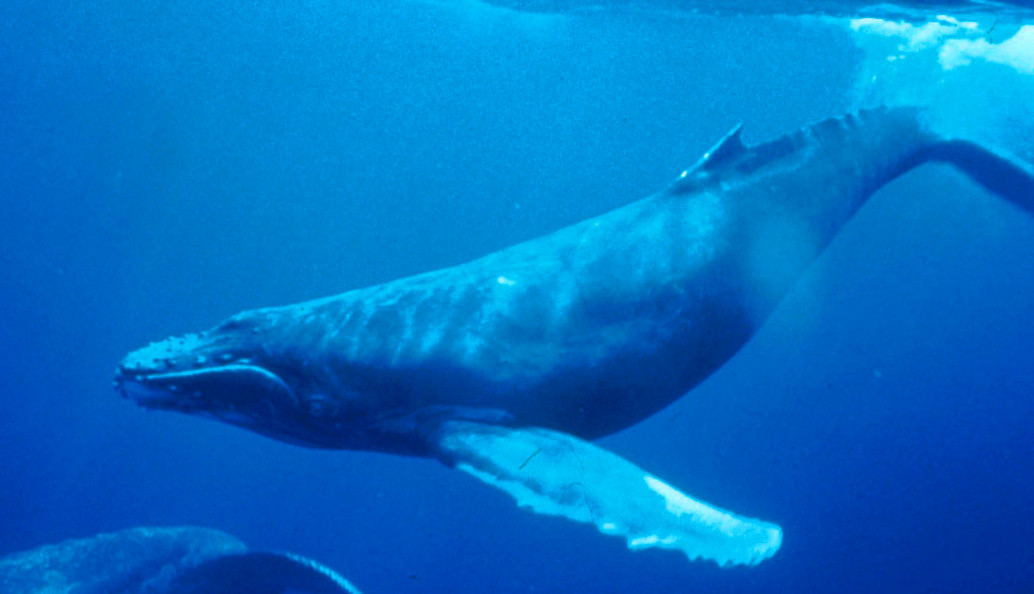
Marine mammals are mammals that rely on marine ecosystems for their existence. They include animals such as cetaceans, pinnipeds, sirenians, sea otters and polar bears. They are an informal group, unified only by their reliance on marine environments for feeding and survival.
Marine mammal adaptation to an aquatic lifestyle varies considerably between species. Both cetaceans and sirenians are fully aquatic and therefore are obligate water dwellers. Pinnipeds are semiaquatic; they spend the majority of their time in the water but need to return to land for important activities such as mating, breeding and molting. Sea otters tend to live in kelp forests and estuaries. In contrast, the polar bear is mostly terrestrial and only go into the water on occasions of necessity, and are thus much less adapted to aquatic living. The diets of marine mammals vary considerably as well; some eat zooplankton, others eat fish, squid, shellfish, or seagrass, and a few eat other mammals. While the number of marine mammals is small compared to those found on land, their roles in various ecosystems are large, especially concerning the maintenance of marine ecosystems, through processes including the regulation of prey populations. This role in maintaining ecosystems makes them of particular concern as 23% of marine mammal species are currently threatened.
Marine mammals were first hunted by aboriginal peoples for food and other resources. Many were also the target for commercial industry, leading to a sharp decline in all populations of exploited species, such as whales and seals. Commercial hunting led to the extinction of the Steller's sea cow, sea mink, Japanese sea lion and Caribbean monk seal. After commercial hunting ended, some species, such as the gray whale and northern elephant seal, have rebounded in numbers; conversely, other species, such as the North Atlantic right whale, are critically endangered. Other than being hunted, marine mammals can be killed as bycatch from fisheries, where for example they can become entangled in nets and drown or starve. Increased ocean traffic causes collisions between fast ocean vessels and large marine mammals. Habitat degradation also threatens marine mammals and their ability to find and catch food. Noise pollution, for example, may adversely affect echolocating mammals, and the ongoing effects of global warming degrade Arctic environments.
The term "marine mammal" encompasses all mammals whose survival depends entirely or almost entirely on the oceans, which have also evolved several specialized aquatic traits. In addition to the above, several other mammals have a great dependency on the sea without having become so anatomically specialized, otherwise known as "quasi-marine mammals". This term can include: the greater bulldog bat (Noctilio leporinus), the fish-eating bat (Myotis vivesi), the arctic fox (Vulpes lagopus) which often scavenges polar bear kills, coastal gray wolf (Canis lupus) populations which predominantly eat salmon and marine carcasses, the North Ronaldsay sheep (Ovis aries) which normally eats seaweed outside the lambing season, the Eurasian otter (Lutra lutra) which is usually found in freshwater but can be found along coastal Scotland, and others.
Marine mammals form a diverse group of 129 species that rely on the ocean for their existence. They are an informal group unified only by their reliance on marine environments for feeding. Despite the diversity in anatomy seen between groups, improved foraging efficiency has been the main driver in their evolution. The level of dependence on the marine environment varies considerably with species. For example, dolphins and whales are completely dependent on the marine environment for all stages of their life; seals feed in the ocean but breed on land; and polar bears must feed on land.
The cetaceans became aquatic around 50 million years ago (mya). Based on molecular and morphological research, the cetaceans genetically and morphologically fall firmly within the Artiodactyla (even-toed ungulates). The term "Cetartiodactyla" reflects the idea that whales evolved within the ungulates. The term was coined by merging the name for the two orders, Cetacea and Artiodactyla, into a single word. Under this definition, the closest living land relative of the whales and dolphins is thought to be the hippopotamuses.
Sirenians, the sea cows, became aquatic around 40 million years ago. The first appearance of sirenians in the fossil record was during the early Eocene, and by the late Eocene, sirenians had significantly diversified. Inhabitants of rivers, estuaries, and nearshore marine waters, they were able to spread rapidly. The most primitive sirenian, †Prorastomus, was found in Jamaica, unlike other marine mammals which originated from the Old World (such as cetaceans). The first known quadrupedal sirenian was †Pezosiren from the early middle Eocene. The earliest known sea cows, of the families †Prorastomidae and †Protosirenidae, were both confined to the Eocene, and were pig-sized, four-legged, amphibious creatures. The first members of Dugongidae appeared by the middle Eocene. At this point, sea cows were fully aquatic.
Pinnipeds split from other caniforms 50 mya during the Eocene. Their evolutionary link to terrestrial mammals was unknown until the 2007 discovery of †Puijila darwini in early Miocene deposits in Nunavut, Canada. Like a modern otter, †Puijila had a long tail, short limbs and webbed feet instead of flippers. The lineages of Otariidae (eared seals) and Odobenidae (walrus) split almost 28 mya. Phocids (earless seals) are known to have existed for at least 15 mya, and molecular evidence supports a divergence of the Monachinae (monk seals) and Phocinae lineages 22 mya.
Hub AI
Marine mammal AI simulator
(@Marine mammal_simulator)
Marine mammal
Marine mammals are mammals that rely on marine ecosystems for their existence. They include animals such as cetaceans, pinnipeds, sirenians, sea otters and polar bears. They are an informal group, unified only by their reliance on marine environments for feeding and survival.
Marine mammal adaptation to an aquatic lifestyle varies considerably between species. Both cetaceans and sirenians are fully aquatic and therefore are obligate water dwellers. Pinnipeds are semiaquatic; they spend the majority of their time in the water but need to return to land for important activities such as mating, breeding and molting. Sea otters tend to live in kelp forests and estuaries. In contrast, the polar bear is mostly terrestrial and only go into the water on occasions of necessity, and are thus much less adapted to aquatic living. The diets of marine mammals vary considerably as well; some eat zooplankton, others eat fish, squid, shellfish, or seagrass, and a few eat other mammals. While the number of marine mammals is small compared to those found on land, their roles in various ecosystems are large, especially concerning the maintenance of marine ecosystems, through processes including the regulation of prey populations. This role in maintaining ecosystems makes them of particular concern as 23% of marine mammal species are currently threatened.
Marine mammals were first hunted by aboriginal peoples for food and other resources. Many were also the target for commercial industry, leading to a sharp decline in all populations of exploited species, such as whales and seals. Commercial hunting led to the extinction of the Steller's sea cow, sea mink, Japanese sea lion and Caribbean monk seal. After commercial hunting ended, some species, such as the gray whale and northern elephant seal, have rebounded in numbers; conversely, other species, such as the North Atlantic right whale, are critically endangered. Other than being hunted, marine mammals can be killed as bycatch from fisheries, where for example they can become entangled in nets and drown or starve. Increased ocean traffic causes collisions between fast ocean vessels and large marine mammals. Habitat degradation also threatens marine mammals and their ability to find and catch food. Noise pollution, for example, may adversely affect echolocating mammals, and the ongoing effects of global warming degrade Arctic environments.
The term "marine mammal" encompasses all mammals whose survival depends entirely or almost entirely on the oceans, which have also evolved several specialized aquatic traits. In addition to the above, several other mammals have a great dependency on the sea without having become so anatomically specialized, otherwise known as "quasi-marine mammals". This term can include: the greater bulldog bat (Noctilio leporinus), the fish-eating bat (Myotis vivesi), the arctic fox (Vulpes lagopus) which often scavenges polar bear kills, coastal gray wolf (Canis lupus) populations which predominantly eat salmon and marine carcasses, the North Ronaldsay sheep (Ovis aries) which normally eats seaweed outside the lambing season, the Eurasian otter (Lutra lutra) which is usually found in freshwater but can be found along coastal Scotland, and others.
Marine mammals form a diverse group of 129 species that rely on the ocean for their existence. They are an informal group unified only by their reliance on marine environments for feeding. Despite the diversity in anatomy seen between groups, improved foraging efficiency has been the main driver in their evolution. The level of dependence on the marine environment varies considerably with species. For example, dolphins and whales are completely dependent on the marine environment for all stages of their life; seals feed in the ocean but breed on land; and polar bears must feed on land.
The cetaceans became aquatic around 50 million years ago (mya). Based on molecular and morphological research, the cetaceans genetically and morphologically fall firmly within the Artiodactyla (even-toed ungulates). The term "Cetartiodactyla" reflects the idea that whales evolved within the ungulates. The term was coined by merging the name for the two orders, Cetacea and Artiodactyla, into a single word. Under this definition, the closest living land relative of the whales and dolphins is thought to be the hippopotamuses.
Sirenians, the sea cows, became aquatic around 40 million years ago. The first appearance of sirenians in the fossil record was during the early Eocene, and by the late Eocene, sirenians had significantly diversified. Inhabitants of rivers, estuaries, and nearshore marine waters, they were able to spread rapidly. The most primitive sirenian, †Prorastomus, was found in Jamaica, unlike other marine mammals which originated from the Old World (such as cetaceans). The first known quadrupedal sirenian was †Pezosiren from the early middle Eocene. The earliest known sea cows, of the families †Prorastomidae and †Protosirenidae, were both confined to the Eocene, and were pig-sized, four-legged, amphibious creatures. The first members of Dugongidae appeared by the middle Eocene. At this point, sea cows were fully aquatic.
Pinnipeds split from other caniforms 50 mya during the Eocene. Their evolutionary link to terrestrial mammals was unknown until the 2007 discovery of †Puijila darwini in early Miocene deposits in Nunavut, Canada. Like a modern otter, †Puijila had a long tail, short limbs and webbed feet instead of flippers. The lineages of Otariidae (eared seals) and Odobenidae (walrus) split almost 28 mya. Phocids (earless seals) are known to have existed for at least 15 mya, and molecular evidence supports a divergence of the Monachinae (monk seals) and Phocinae lineages 22 mya.
Recent media