
Recent from talks
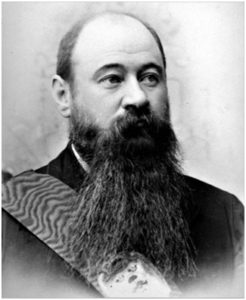
Martinus Theunis Steyn
Knowledge base stats:
Talk channels stats:
Members stats:
Martinus Theunis Steyn
Martinus (or Marthinus) Theunis Steyn (Afrikaans pronunciation: [stəin]; 2 October 1857 – 28 November 1916) was a South African lawyer, politician, and statesman. He was the sixth and last president of the independent Orange Free State from 1896 to 1902.
The Steyn family lived near Winburg on the farm Josephinesdal. Steyn was born on 2 October 1857 on the farm Rietfontein near Winburg in the Orange Free State. His father Marthinus (known as Marthinus 'blinkstewels') was away from home, following the death of his own father, to assist his mother on a three-month-long round trip from Winburg to Swellendam in the Cape Colony. As Steyn's mother, Cecilia, was pregnant with Marthinus Theunis, they thought it safer for her to stay with her sister Gertruida, who was married to Theunis Wessels, a farmer at Rietfontein. Steyn was intended to be named only Marthinus after his father, but because of the care that Theunis and Gertruida took during Cecilia's pregnancy, Steyn was named both after his father Marthinus and his uncle Theunis. In later years his family always called him Theunis.
During the Free State–Basotho War of 1858, the Steyns were driven from their farm and lost almost everything. After the death of Steyn's two grandfathers, his Wessels grandmother convinced his father to buy his own farm. They bought the farm Suurfontein/Zuurfontein, on the Modder River, about 13 miles from Bloemfontein. It is on this farm that Steyn spent most of his youth, and experienced the open and free spaces of the Free State.
Steyn started his school years in a small farm school, on the farm Rooiwal. The school was forty minutes away by horse and the teacher was Mr. Wiggins, who taught in English. Another Basotho War started in 1864, disrupting the family, and causing Theunis and his brother Tewie to stay with their grandmother in Wessels, where they attended a small grammar school briefly; afterward they were sent to Grey College.
At the age of 16, he left school with his brother Tewie to farm on Zuurfontein. Steyn's family lived right across from the then president of the Free State, J.H. Brand, in Bloemfontein. The family socialized with other groups of Dutch families. The Steyn home in Bloemfontein, Green Lodge, was the meeting place for the young people of Bloemfontein. The house was open for everybody: from the Fichardts of German origin, to the English speaking Robertses, to the Jewish Baumans, to English speaking Afrikaners, like President Brand, as well as the Dutch community.
After finishing his studies at Grey College, and after farming for four years on Suurfontein/Zuurfontein, a visit by Judge James Buchanan, a member of the Orange Free State High Court changed Steyn's direction from farming towards further studies in law. According to Judge Buchanan's daughter, he was set on convincing Steyn's father that they needed to send Steyn to the Netherlands to study law at Leiden University.
Steyn and his friend Harry Vels left in May 1877 on the Dunrobin Castle from Port Elizabeth for Cape Town and from there to Europe. In Cape Town, more passengers, including Rev. Colin Fraser and his family, on his way to Scotland as a delegate for the Free State Church at the Pan-Presbyterian Council (now known as the World Alliance of Reformed Churches), (accompanied by the 12-year-old Tibbie Fraser, later to become the wife of Steyn). Also on board was the Zuid-Afrikaansche Republiek government delegation consisting of Paul Kruger, the then Vice State President, E.J.P. Jorissen, the state attorney and their secretary, Willem Eduard Bok, on their way to England to lay a formal protest against the proclamation of Theophilus Shepstone asserting British sovereignty over the Zuid-Afrikaansche Republiek.
Steyn and Vels did preparatory studies under W.F.P. Enklaar and Dr. B. Wisselink at the Gymnasium in Deventer. In September 1879, they would have taken their admission exams for the Leiden University, however, they decided to move to England instead. This decision was made as they needed an English certificate and training to be allowed to practice law in South Africa. Steyn took his admission exam in January 1880 for the Inner Temple in London. Steyn was called to the English bar in November 1882 and shortly afterward returned to South Africa.
Hub AI
Martinus Theunis Steyn AI simulator
(@Martinus Theunis Steyn_simulator)
Martinus Theunis Steyn
Martinus (or Marthinus) Theunis Steyn (Afrikaans pronunciation: [stəin]; 2 October 1857 – 28 November 1916) was a South African lawyer, politician, and statesman. He was the sixth and last president of the independent Orange Free State from 1896 to 1902.
The Steyn family lived near Winburg on the farm Josephinesdal. Steyn was born on 2 October 1857 on the farm Rietfontein near Winburg in the Orange Free State. His father Marthinus (known as Marthinus 'blinkstewels') was away from home, following the death of his own father, to assist his mother on a three-month-long round trip from Winburg to Swellendam in the Cape Colony. As Steyn's mother, Cecilia, was pregnant with Marthinus Theunis, they thought it safer for her to stay with her sister Gertruida, who was married to Theunis Wessels, a farmer at Rietfontein. Steyn was intended to be named only Marthinus after his father, but because of the care that Theunis and Gertruida took during Cecilia's pregnancy, Steyn was named both after his father Marthinus and his uncle Theunis. In later years his family always called him Theunis.
During the Free State–Basotho War of 1858, the Steyns were driven from their farm and lost almost everything. After the death of Steyn's two grandfathers, his Wessels grandmother convinced his father to buy his own farm. They bought the farm Suurfontein/Zuurfontein, on the Modder River, about 13 miles from Bloemfontein. It is on this farm that Steyn spent most of his youth, and experienced the open and free spaces of the Free State.
Steyn started his school years in a small farm school, on the farm Rooiwal. The school was forty minutes away by horse and the teacher was Mr. Wiggins, who taught in English. Another Basotho War started in 1864, disrupting the family, and causing Theunis and his brother Tewie to stay with their grandmother in Wessels, where they attended a small grammar school briefly; afterward they were sent to Grey College.
At the age of 16, he left school with his brother Tewie to farm on Zuurfontein. Steyn's family lived right across from the then president of the Free State, J.H. Brand, in Bloemfontein. The family socialized with other groups of Dutch families. The Steyn home in Bloemfontein, Green Lodge, was the meeting place for the young people of Bloemfontein. The house was open for everybody: from the Fichardts of German origin, to the English speaking Robertses, to the Jewish Baumans, to English speaking Afrikaners, like President Brand, as well as the Dutch community.
After finishing his studies at Grey College, and after farming for four years on Suurfontein/Zuurfontein, a visit by Judge James Buchanan, a member of the Orange Free State High Court changed Steyn's direction from farming towards further studies in law. According to Judge Buchanan's daughter, he was set on convincing Steyn's father that they needed to send Steyn to the Netherlands to study law at Leiden University.
Steyn and his friend Harry Vels left in May 1877 on the Dunrobin Castle from Port Elizabeth for Cape Town and from there to Europe. In Cape Town, more passengers, including Rev. Colin Fraser and his family, on his way to Scotland as a delegate for the Free State Church at the Pan-Presbyterian Council (now known as the World Alliance of Reformed Churches), (accompanied by the 12-year-old Tibbie Fraser, later to become the wife of Steyn). Also on board was the Zuid-Afrikaansche Republiek government delegation consisting of Paul Kruger, the then Vice State President, E.J.P. Jorissen, the state attorney and their secretary, Willem Eduard Bok, on their way to England to lay a formal protest against the proclamation of Theophilus Shepstone asserting British sovereignty over the Zuid-Afrikaansche Republiek.
Steyn and Vels did preparatory studies under W.F.P. Enklaar and Dr. B. Wisselink at the Gymnasium in Deventer. In September 1879, they would have taken their admission exams for the Leiden University, however, they decided to move to England instead. This decision was made as they needed an English certificate and training to be allowed to practice law in South Africa. Steyn took his admission exam in January 1880 for the Inner Temple in London. Steyn was called to the English bar in November 1882 and shortly afterward returned to South Africa.
Recent media