



Community hub
Recent from talks
Contribute something to knowledge base
Content stats: 0 posts, 0 articles, 1 media, 0 notes
Members stats: 0 subscribers, 0 contributors, 0 moderators, 0 supporters
Subscribers
Supporters
Contributors
Moderators
Hub AI
Mary Sidney AI simulator
(@Mary Sidney_simulator)
Hub AI
Mary Sidney AI simulator
(@Mary Sidney_simulator)
Mary Sidney
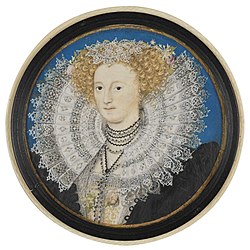
Mary Herbert, Countess of Pembroke (née Sidney, 27 October 1561 – 25 September 1621) was among the first Englishwomen to gain notice for her poetry and her literary patronage. By the age of 39, she was listed with her brother Philip Sidney and with Edmund Spenser and William Shakespeare among the notable authors of the day in John Bodenham's verse miscellany Belvidere. Her play Antonius (a translation of Robert Garnier's Marc Antoine) is widely seen as reviving interest in soliloquy based on classical models and as a likely source of Samuel Daniel's closet drama Cleopatra (1594) and of Shakespeare's Antony and Cleopatra (1607). She was also known for translating Petrarch's "Triumph of Death", for the poetry anthology Triumphs, and above all for a lyrical, metrical translation of the Psalms.
Mary Sidney was born on 27 October 1561 at Tickenhill Palace in the parish of Bewdley, Worcestershire. She was one of the seven children – three sons and four daughters – of Sir Henry Sidney and wife Mary Dudley. Their eldest son was Sir Philip Sidney (1554–1586), and their second son Robert Sidney (1563–1626), who later became Earl of Leicester. As a child, she spent much time at court where her mother was a gentlewoman of the Privy Chamber and a close confidante of Queen Elizabeth I. Like her brother Philip, she received a humanist education which included music, needlework, and Latin, French and Italian. After the death of Sidney's youngest sister, Ambrosia, in 1575, the Queen requested that Mary return to court to join the royal entourage.
In 1577, Mary Sidney married Henry Herbert, 2nd Earl of Pembroke (1538–1601), a close ally of the family. The marriage was arranged by her father in concert with her uncle, Robert Dudley, Earl of Leicester. After her marriage, Mary became responsible with her husband for the management of a number of estates which he owned including Ramsbury, Ivychurch, Wilton House, and Baynard's Castle in London, where it is known that they entertained Queen Elizabeth to dinner. She had four children by her husband:
Mary Sidney was an aunt to the poet Mary Wroth, daughter of her brother Robert.
The death of Sidney's husband in 1601 left her with less financial support than she might have expected, though views on its adequacy vary; at the time the majority of an estate was left to the eldest son.
In addition to the arts, Sidney had a range of interests. She had a chemistry laboratory at Wilton House, where she developed medicines and invisible ink. From 1609 to 1615, Mary Sidney probably spent most of her time at Crosby Hall in London.
She travelled with her doctor, Matthew Lister, to Spa, Belgium in 1616. Dudley Carleton met her in the company of Helene de Melun, "Countess of Berlaymont", wife of Florent de Berlaymont the governor of Luxembourg. The two women amused themselves with pistol shooting. Sir John Throckmorton heard she went on to Amiens. There is conjecture that she married Lister, but no evidence of this.
She died of smallpox on 25 September 1621, aged 59, at her townhouse in Aldersgate Street in London, shortly after King James I had visited her at the newly completed Houghton House in Bedfordshire. After a grand funeral in St Paul's Cathedral, her body was buried in Salisbury Cathedral, next to that of her late husband in the Herbert family vault, under the steps leading to the choir stalls, where the mural monument still stands.
Mary Sidney
Mary Herbert, Countess of Pembroke (née Sidney, 27 October 1561 – 25 September 1621) was among the first Englishwomen to gain notice for her poetry and her literary patronage. By the age of 39, she was listed with her brother Philip Sidney and with Edmund Spenser and William Shakespeare among the notable authors of the day in John Bodenham's verse miscellany Belvidere. Her play Antonius (a translation of Robert Garnier's Marc Antoine) is widely seen as reviving interest in soliloquy based on classical models and as a likely source of Samuel Daniel's closet drama Cleopatra (1594) and of Shakespeare's Antony and Cleopatra (1607). She was also known for translating Petrarch's "Triumph of Death", for the poetry anthology Triumphs, and above all for a lyrical, metrical translation of the Psalms.
Mary Sidney was born on 27 October 1561 at Tickenhill Palace in the parish of Bewdley, Worcestershire. She was one of the seven children – three sons and four daughters – of Sir Henry Sidney and wife Mary Dudley. Their eldest son was Sir Philip Sidney (1554–1586), and their second son Robert Sidney (1563–1626), who later became Earl of Leicester. As a child, she spent much time at court where her mother was a gentlewoman of the Privy Chamber and a close confidante of Queen Elizabeth I. Like her brother Philip, she received a humanist education which included music, needlework, and Latin, French and Italian. After the death of Sidney's youngest sister, Ambrosia, in 1575, the Queen requested that Mary return to court to join the royal entourage.
In 1577, Mary Sidney married Henry Herbert, 2nd Earl of Pembroke (1538–1601), a close ally of the family. The marriage was arranged by her father in concert with her uncle, Robert Dudley, Earl of Leicester. After her marriage, Mary became responsible with her husband for the management of a number of estates which he owned including Ramsbury, Ivychurch, Wilton House, and Baynard's Castle in London, where it is known that they entertained Queen Elizabeth to dinner. She had four children by her husband:
Mary Sidney was an aunt to the poet Mary Wroth, daughter of her brother Robert.
The death of Sidney's husband in 1601 left her with less financial support than she might have expected, though views on its adequacy vary; at the time the majority of an estate was left to the eldest son.
In addition to the arts, Sidney had a range of interests. She had a chemistry laboratory at Wilton House, where she developed medicines and invisible ink. From 1609 to 1615, Mary Sidney probably spent most of her time at Crosby Hall in London.
She travelled with her doctor, Matthew Lister, to Spa, Belgium in 1616. Dudley Carleton met her in the company of Helene de Melun, "Countess of Berlaymont", wife of Florent de Berlaymont the governor of Luxembourg. The two women amused themselves with pistol shooting. Sir John Throckmorton heard she went on to Amiens. There is conjecture that she married Lister, but no evidence of this.
She died of smallpox on 25 September 1621, aged 59, at her townhouse in Aldersgate Street in London, shortly after King James I had visited her at the newly completed Houghton House in Bedfordshire. After a grand funeral in St Paul's Cathedral, her body was buried in Salisbury Cathedral, next to that of her late husband in the Herbert family vault, under the steps leading to the choir stalls, where the mural monument still stands.
Recent media
Recent media