
Recent from talks
Mary Wigman
Knowledge base stats:
Talk channels stats:
Members stats:
Mary Wigman
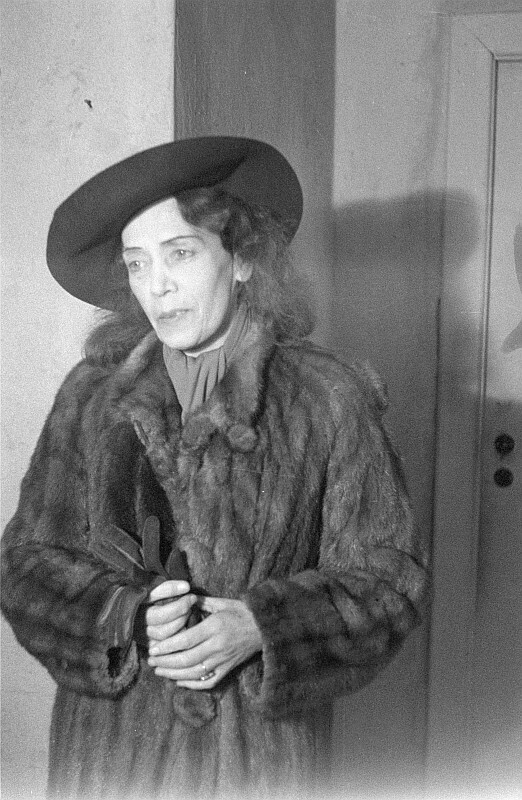
Mary Wigman (born Karoline Sophie Marie Wiegmann; 13 November 1886 – 18 September 1973) was a German dancer and choreographer who pioneered expressionist dance, dance therapy, and movement training without pointe shoes. She is considered one of the most important figures in the history of modern dance. She became one of the most iconic figures of Weimar German culture and her work was hailed for bringing the deepest of existential experiences to the stage.
Karoline Sophie Marie Wiegmann was born in Hanover, Province of Hanover in the Kingdom of Prussia. Wiegmann was the daughter of a bicycle dealer. Already as a child, she was called Mary, "because the Hanoverians were once kings of England and the House of Welf pride never quite got over the decline of the Kingdom of Hanover to a Prussian province.
Wigman spent her youth in Hanover, England, the Netherlands and Lausanne. Wigman came to dance comparatively late after seeing three students of Émile Jaques-Dalcroze, who aimed to approach music through movement using three equally important elements: solfège, improvisation and his own system of movements—Dalcroze eurhythmics. Wigman studied rhythmic gymnastics in Hellerau from 1910 to 1911 with Émile Jaques-Dalcroze and Suzanne Perrottet, but felt artistically dissatisfied there: Like Suzanne Perrottet, Mary Wigman was also looking for movements independent of music and independent physical expression. After that, she stayed in Rome and Berlin. Another key early experience was a solo concert by Grete Wiesenthal.
The Jaques-Dalcroze school's practice made dance secondary to music, so Wigman decided to take her interests elsewhere. In 1913, on advice from the German-Danish expressionist painter Emil Nolde, she entered the Rudolf von Laban School for Art (Schule für Kunst) on Monte Verità in the Swiss canton of Ticino. Laban was significantly involved in the development of modern expressive dance (Labanotation). She enrolled in one of Laban's summer courses and was instructed in his technique. Following their lead, she worked on a technique based on contrasts of movement; expansion and contraction, pulling and pushing. She continued with the Laban school through the Swiss summer sessions and the Munich winter sessions until 1919.
In Munich, Wigman showed her first public dances Hexentanz I, Lento and Ein Elfentanz. During the First World War she stayed in Switzerland with Laban as his assistant and taught in Zürich and Ascona. In 1917, Wigman offered three different programs in Zürich, including Der Tänzer unserer lieben Frau, Das Opfer, Tempeltanz, Götzendienst and four Hungarian dances according to Johannes Brahms. In 1918, Wigman suffered a nervous breakdown. Wigman performed this program again in Zürich in 1919 and later in Germany. Only the performances in Hamburg and Dresden brought her the big breakthrough.
In 1920, Wigman was offered the post of ballet mistress at the Saxon State Opera in Dresden, but, after taking up residence in a hotel in Dresden and beginning to teach dance classes while awaiting her anticipated appointment, she learned that the position had been awarded to someone else. In the same year, Wigman together with her assistant Bertha Trümpy, opened a school for modern dance on Bautzner Strasse in Dresden. During Wigman's time in Dresden, Wigman had contacts with the city's lively art scene, for example with the German expressionist painter Ernst Ludwig Kirchner. Rivalry and competition between Wigman's new school and the old schools of dance in Dresden would emerge, later especially with former students and teachers of the Palucca School of Dance. From 1921, the first performances took place with Wigman's dance group. Film recordings of the dance group made in 1923 in the Berlin Botanical Garden with excerpts from Szenen aus einem Tanzdrama were used in the 1925 German cultural silent film Ways to Strength and Beauty (Wege zu Kraft und Schönheit). For a long time, the school on Bautzner Strasse in Dresden was a rehearsal stage for the Saxon State Opera in Dresden. When the school moved under the name Semper Zwei next to the opera house, the state capital of Dresden bought the property and in 2019 gave it to the association Villa Wigman for Dance (Villa Wigman für Tanz e. V.), which uses it as a rehearsal and performance centre for the independent dance scene.
Wigman's most famous male student was Harald Kreutzberg, but there was also Ernest Berk who worked in the UK from 1934 until the mid-1980s. Famous students included Gret Palucca, Hanya Holm, Yvonne Georgi, Margherita Wallmann, Lotte Goslar, Birgit Åkesson, Sonia Revid, and Hanna Berger. Dore Hoyer, who further developed the expressive dance of Wigman and Palucca, worked together with Wigman on several occasions but was never her student. Student Irena Linn taught Wigman's ideas in the United States at Boston Conservatory and in Tennessee. Ursula Cain was also one of Wigman's students.
On tour, Wigman travelled throughout Germany and neighbouring countries with her chamber dance group. In 1928, Wigman performed for the first time in London and in 1930 in the United States. In the 1920s, Wigman was the idol of a movement that wanted dance free of being subordinate to music. Wigman rarely danced to music not composed for her. It was often only danced to the accompaniment of gongs or drums and in rare cases without any music at all, which was particularly popular in intellectual circles.
Hub AI
Mary Wigman AI simulator
(@Mary Wigman_simulator)
Mary Wigman
Mary Wigman (born Karoline Sophie Marie Wiegmann; 13 November 1886 – 18 September 1973) was a German dancer and choreographer who pioneered expressionist dance, dance therapy, and movement training without pointe shoes. She is considered one of the most important figures in the history of modern dance. She became one of the most iconic figures of Weimar German culture and her work was hailed for bringing the deepest of existential experiences to the stage.
Karoline Sophie Marie Wiegmann was born in Hanover, Province of Hanover in the Kingdom of Prussia. Wiegmann was the daughter of a bicycle dealer. Already as a child, she was called Mary, "because the Hanoverians were once kings of England and the House of Welf pride never quite got over the decline of the Kingdom of Hanover to a Prussian province.
Wigman spent her youth in Hanover, England, the Netherlands and Lausanne. Wigman came to dance comparatively late after seeing three students of Émile Jaques-Dalcroze, who aimed to approach music through movement using three equally important elements: solfège, improvisation and his own system of movements—Dalcroze eurhythmics. Wigman studied rhythmic gymnastics in Hellerau from 1910 to 1911 with Émile Jaques-Dalcroze and Suzanne Perrottet, but felt artistically dissatisfied there: Like Suzanne Perrottet, Mary Wigman was also looking for movements independent of music and independent physical expression. After that, she stayed in Rome and Berlin. Another key early experience was a solo concert by Grete Wiesenthal.
The Jaques-Dalcroze school's practice made dance secondary to music, so Wigman decided to take her interests elsewhere. In 1913, on advice from the German-Danish expressionist painter Emil Nolde, she entered the Rudolf von Laban School for Art (Schule für Kunst) on Monte Verità in the Swiss canton of Ticino. Laban was significantly involved in the development of modern expressive dance (Labanotation). She enrolled in one of Laban's summer courses and was instructed in his technique. Following their lead, she worked on a technique based on contrasts of movement; expansion and contraction, pulling and pushing. She continued with the Laban school through the Swiss summer sessions and the Munich winter sessions until 1919.
In Munich, Wigman showed her first public dances Hexentanz I, Lento and Ein Elfentanz. During the First World War she stayed in Switzerland with Laban as his assistant and taught in Zürich and Ascona. In 1917, Wigman offered three different programs in Zürich, including Der Tänzer unserer lieben Frau, Das Opfer, Tempeltanz, Götzendienst and four Hungarian dances according to Johannes Brahms. In 1918, Wigman suffered a nervous breakdown. Wigman performed this program again in Zürich in 1919 and later in Germany. Only the performances in Hamburg and Dresden brought her the big breakthrough.
In 1920, Wigman was offered the post of ballet mistress at the Saxon State Opera in Dresden, but, after taking up residence in a hotel in Dresden and beginning to teach dance classes while awaiting her anticipated appointment, she learned that the position had been awarded to someone else. In the same year, Wigman together with her assistant Bertha Trümpy, opened a school for modern dance on Bautzner Strasse in Dresden. During Wigman's time in Dresden, Wigman had contacts with the city's lively art scene, for example with the German expressionist painter Ernst Ludwig Kirchner. Rivalry and competition between Wigman's new school and the old schools of dance in Dresden would emerge, later especially with former students and teachers of the Palucca School of Dance. From 1921, the first performances took place with Wigman's dance group. Film recordings of the dance group made in 1923 in the Berlin Botanical Garden with excerpts from Szenen aus einem Tanzdrama were used in the 1925 German cultural silent film Ways to Strength and Beauty (Wege zu Kraft und Schönheit). For a long time, the school on Bautzner Strasse in Dresden was a rehearsal stage for the Saxon State Opera in Dresden. When the school moved under the name Semper Zwei next to the opera house, the state capital of Dresden bought the property and in 2019 gave it to the association Villa Wigman for Dance (Villa Wigman für Tanz e. V.), which uses it as a rehearsal and performance centre for the independent dance scene.
Wigman's most famous male student was Harald Kreutzberg, but there was also Ernest Berk who worked in the UK from 1934 until the mid-1980s. Famous students included Gret Palucca, Hanya Holm, Yvonne Georgi, Margherita Wallmann, Lotte Goslar, Birgit Åkesson, Sonia Revid, and Hanna Berger. Dore Hoyer, who further developed the expressive dance of Wigman and Palucca, worked together with Wigman on several occasions but was never her student. Student Irena Linn taught Wigman's ideas in the United States at Boston Conservatory and in Tennessee. Ursula Cain was also one of Wigman's students.
On tour, Wigman travelled throughout Germany and neighbouring countries with her chamber dance group. In 1928, Wigman performed for the first time in London and in 1930 in the United States. In the 1920s, Wigman was the idol of a movement that wanted dance free of being subordinate to music. Wigman rarely danced to music not composed for her. It was often only danced to the accompaniment of gongs or drums and in rare cases without any music at all, which was particularly popular in intellectual circles.
Recent media