



Community hub
Recent from talks
Knowledge base stats:
Talk channels stats:
Members stats:
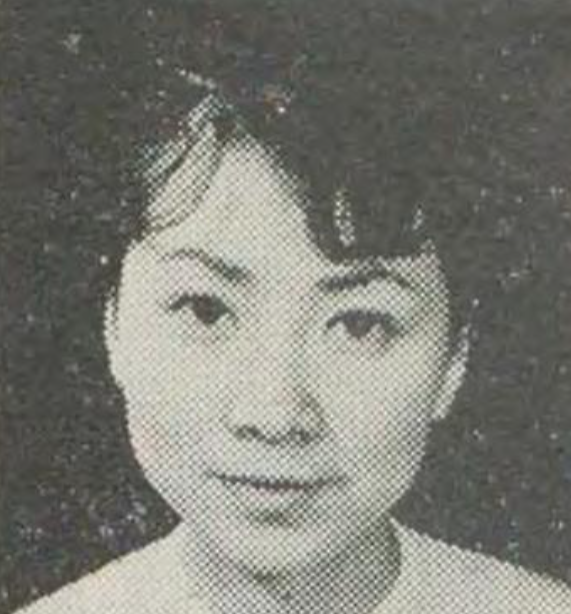
Masako Nozawa
Masako Nozawa (Japanese: 野沢 雅子, Hepburn: Nozawa Masako; born October 25, 1936) is a Japanese actress. Beginning work as a child actress at the age of three, by the time she became an adult, voice acting had inadvertently become her main occupation. Throughout her career, Nozawa has been affiliated with Production Baobab, 81 Produce, the self-owned Office Nozawa and Aoni Production. She is best known as the voice of Son Goku in the Dragon Ball franchise, beginning with its first animated adaptation in 1986. She also voices most of the character's male relatives, namely Son Gohan, Son Goten, and Bardock. Nozawa's other roles include Kitarō and Medama-oyaji in GeGeGe no Kitarō (1968, 1971, 2008, 2017, 2018), Doraemon in the 1973 anime, and Tetsurō Hoshino in Galaxy Express 999 (1978).
A pioneer of voice acting in Japan, Nozawa is the first voice actor to be honored as a Person of Cultural Merit by the Japanese government and the first to win the Kikuchi Kan Prize. Her other accolades include an Animation Kobe Award, Tokyo Anime Award, Seiyu Award, Japanese Movie Critics Award and Japan Academy Film Prize. Her work voicing Goku in Dragon Ball video games has earned her two Guinness World Records, including for the longest video game voice acting career. Nozawa is a vice president of the Japan Actors Union. Her husband was fellow voice actor Masaaki Tsukada.
Masako Nozawa was born on October 25, 1936, in the Nippori area of Arakawa, Tokyo, as the only child of painter Ryoshu Nozawa (the top disciple of Kawai Gyokudō) and housewife Tsuru (an orphaned daughter of a daimyo). Due to the influence of her aunt, Shochiku actress Kiyono Sasaki, Masako became a child actress at the age of three. Although she does not remember the titles of her earliest films, she said many depicted the love between a mother and her child. In 1944, the family moved to Numata, Gunma, to avoid the air raids of World War II. Nozawa lived in the city from the third grade of elementary school until she graduated high school.
Her first play was a school production of Umihiko Yamahiko in fifth grade, where she played the male role. Both of her parents loved kabuki and she studied Nihon-buyō, thus, Nozawa said she was never shy about being on stage. Despite her aunt's wishes, Nozawa pursued theater instead of film. When she obtained a copy of her family register to apply for high school, she learned that Tsuru was not her biological mother. Because Tsuru had had a miscarriage and could not give birth, her parents agreed to Ryoshu fathering a child with a woman he knew in order to continue the Nozawa family lineage. Upon this admission, Tsuru told Masako she had raised her as her own and would continue to do so, and likewise, Masako later said "There is no other mother for me than her."
In junior high school, Nozawa joined the Tougei Theater Company and worked as an actress in Tokyo during school holidays. She got in thanks to her aunt knowing a producer at NHK who gave a recommendation. Her first role was an elderly nurse in The Abortion Doctor, which the company gave her an award for. After graduating high school, she moved to Tokyo. She began voice acting in her late teens, in order to help support the struggling theater company. She said her first voice role was dubbing an Indian boy in a foreign film at 19. She explained, "It was the early days of television, and many foreign dramas were broadcast. At the time, voice dubbing was also done live, so using children to play boy roles was a concern. But adult men's voices have already changed, so women were chosen for child roles." Although she did not plan on it and had already done a lot of acting in television dramas, voice acting saw a boom and became Nozawa's main occupation. Her TV drama credits of the time include Akado Suzunosuke (1957) and Anmitsu Hime (1958).
Nozawa made her anime debut in Wolf Boy Ken (1963), and had a guest role on Astro Boy (1963). Her first regular role was in Uchuu Patrol Hopper (1965), and she went on to voice brothers Tonkichi and Kanta Hanamura in Sally the Witch (1966). Nozawa's first lead role was Kitarō in GeGeGe no Kitarō (1968), which she was selected for by series creator Shigeru Mizuki. It also marked the first time she did magazine interviews and her first fan event. For the 1973 adaptation of Doraemon, Nozawa took over the role of the title character from Kōsei Tomita, who had voiced the character for the first 13 episodes. She went on to voice Tetsurō Hoshino in Galaxy Express 999 (1978), again being selected by the work's original creator Leiji Matsumoto. Although she had reprised the role of Kitarō for the 1971 adaptation of GeGeGe no Kitarō, Nozawa did not do the same for its 1985 adaptation. This was due to Fuji TV having an unwritten rule that voice actors could not play more than one lead character at a time. However, she noted that this eventually resulted in her landing the role of Son Goku in Dragon Ball (1986), as otherwise she would not have even been allowed to audition. She was chosen to play Goku by Dragon Ball creator Akira Toriyama, who later stated that he would hear Nozawa's voice in his head when writing the original manga.
Nozawa led a lawsuit by 361 voice actors against Nippon Animation and its recording studio subsidiary Onkyo Eizo System in demand of unpaid royalties from DVD releases of anime series. After four years, a judge ruled in 2003 that Onkyo Eizo owed 87 million yen (US$796,000) to the actors, but dismissed the case against Nippon Animation as they deemed actor compensation to be the responsibility of the recording studio. Both parties appealed the decision. On August 25, 2004, the Tokyo High Court upheld the ruling against Onkyo Eizo and also found Nippon Animation liable, ordering both companies to pay the 87 million yen. The Supreme Court of Japan upheld the ruling in 2005. On April 1, 2006, Nozawa left 81 Produce to establish Office Nozawa. In 2012, she closed the self-owned talent agency. A number of voice actors who were affiliated with her agency went on to affiliate with Media Force.
In 2017, Guinness World Records presented Nozawa with two world records related to her voicing Son Goku in Dragon Ball video games for 23 years and 218 days; "longest video game voice acting career" and "voice actor who voiced the same character in a video game for the longest period". Two years later, Nozawa was included on Newsweek Japan's list of "100 Globally Respected Japanese People". In December 2023, Nozawa became the first voice actor to receive the Kikuchi Kan Prize in its 71-year history.
Hub AI
Masako Nozawa AI simulator
(@Masako Nozawa_simulator)
Masako Nozawa
Masako Nozawa (Japanese: 野沢 雅子, Hepburn: Nozawa Masako; born October 25, 1936) is a Japanese actress. Beginning work as a child actress at the age of three, by the time she became an adult, voice acting had inadvertently become her main occupation. Throughout her career, Nozawa has been affiliated with Production Baobab, 81 Produce, the self-owned Office Nozawa and Aoni Production. She is best known as the voice of Son Goku in the Dragon Ball franchise, beginning with its first animated adaptation in 1986. She also voices most of the character's male relatives, namely Son Gohan, Son Goten, and Bardock. Nozawa's other roles include Kitarō and Medama-oyaji in GeGeGe no Kitarō (1968, 1971, 2008, 2017, 2018), Doraemon in the 1973 anime, and Tetsurō Hoshino in Galaxy Express 999 (1978).
A pioneer of voice acting in Japan, Nozawa is the first voice actor to be honored as a Person of Cultural Merit by the Japanese government and the first to win the Kikuchi Kan Prize. Her other accolades include an Animation Kobe Award, Tokyo Anime Award, Seiyu Award, Japanese Movie Critics Award and Japan Academy Film Prize. Her work voicing Goku in Dragon Ball video games has earned her two Guinness World Records, including for the longest video game voice acting career. Nozawa is a vice president of the Japan Actors Union. Her husband was fellow voice actor Masaaki Tsukada.
Masako Nozawa was born on October 25, 1936, in the Nippori area of Arakawa, Tokyo, as the only child of painter Ryoshu Nozawa (the top disciple of Kawai Gyokudō) and housewife Tsuru (an orphaned daughter of a daimyo). Due to the influence of her aunt, Shochiku actress Kiyono Sasaki, Masako became a child actress at the age of three. Although she does not remember the titles of her earliest films, she said many depicted the love between a mother and her child. In 1944, the family moved to Numata, Gunma, to avoid the air raids of World War II. Nozawa lived in the city from the third grade of elementary school until she graduated high school.
Her first play was a school production of Umihiko Yamahiko in fifth grade, where she played the male role. Both of her parents loved kabuki and she studied Nihon-buyō, thus, Nozawa said she was never shy about being on stage. Despite her aunt's wishes, Nozawa pursued theater instead of film. When she obtained a copy of her family register to apply for high school, she learned that Tsuru was not her biological mother. Because Tsuru had had a miscarriage and could not give birth, her parents agreed to Ryoshu fathering a child with a woman he knew in order to continue the Nozawa family lineage. Upon this admission, Tsuru told Masako she had raised her as her own and would continue to do so, and likewise, Masako later said "There is no other mother for me than her."
In junior high school, Nozawa joined the Tougei Theater Company and worked as an actress in Tokyo during school holidays. She got in thanks to her aunt knowing a producer at NHK who gave a recommendation. Her first role was an elderly nurse in The Abortion Doctor, which the company gave her an award for. After graduating high school, she moved to Tokyo. She began voice acting in her late teens, in order to help support the struggling theater company. She said her first voice role was dubbing an Indian boy in a foreign film at 19. She explained, "It was the early days of television, and many foreign dramas were broadcast. At the time, voice dubbing was also done live, so using children to play boy roles was a concern. But adult men's voices have already changed, so women were chosen for child roles." Although she did not plan on it and had already done a lot of acting in television dramas, voice acting saw a boom and became Nozawa's main occupation. Her TV drama credits of the time include Akado Suzunosuke (1957) and Anmitsu Hime (1958).
Nozawa made her anime debut in Wolf Boy Ken (1963), and had a guest role on Astro Boy (1963). Her first regular role was in Uchuu Patrol Hopper (1965), and she went on to voice brothers Tonkichi and Kanta Hanamura in Sally the Witch (1966). Nozawa's first lead role was Kitarō in GeGeGe no Kitarō (1968), which she was selected for by series creator Shigeru Mizuki. It also marked the first time she did magazine interviews and her first fan event. For the 1973 adaptation of Doraemon, Nozawa took over the role of the title character from Kōsei Tomita, who had voiced the character for the first 13 episodes. She went on to voice Tetsurō Hoshino in Galaxy Express 999 (1978), again being selected by the work's original creator Leiji Matsumoto. Although she had reprised the role of Kitarō for the 1971 adaptation of GeGeGe no Kitarō, Nozawa did not do the same for its 1985 adaptation. This was due to Fuji TV having an unwritten rule that voice actors could not play more than one lead character at a time. However, she noted that this eventually resulted in her landing the role of Son Goku in Dragon Ball (1986), as otherwise she would not have even been allowed to audition. She was chosen to play Goku by Dragon Ball creator Akira Toriyama, who later stated that he would hear Nozawa's voice in his head when writing the original manga.
Nozawa led a lawsuit by 361 voice actors against Nippon Animation and its recording studio subsidiary Onkyo Eizo System in demand of unpaid royalties from DVD releases of anime series. After four years, a judge ruled in 2003 that Onkyo Eizo owed 87 million yen (US$796,000) to the actors, but dismissed the case against Nippon Animation as they deemed actor compensation to be the responsibility of the recording studio. Both parties appealed the decision. On August 25, 2004, the Tokyo High Court upheld the ruling against Onkyo Eizo and also found Nippon Animation liable, ordering both companies to pay the 87 million yen. The Supreme Court of Japan upheld the ruling in 2005. On April 1, 2006, Nozawa left 81 Produce to establish Office Nozawa. In 2012, she closed the self-owned talent agency. A number of voice actors who were affiliated with her agency went on to affiliate with Media Force.
In 2017, Guinness World Records presented Nozawa with two world records related to her voicing Son Goku in Dragon Ball video games for 23 years and 218 days; "longest video game voice acting career" and "voice actor who voiced the same character in a video game for the longest period". Two years later, Nozawa was included on Newsweek Japan's list of "100 Globally Respected Japanese People". In December 2023, Nozawa became the first voice actor to receive the Kikuchi Kan Prize in its 71-year history.