



Community hub
Recent from talks
Knowledge base stats:
Talk channels stats:
Members stats:
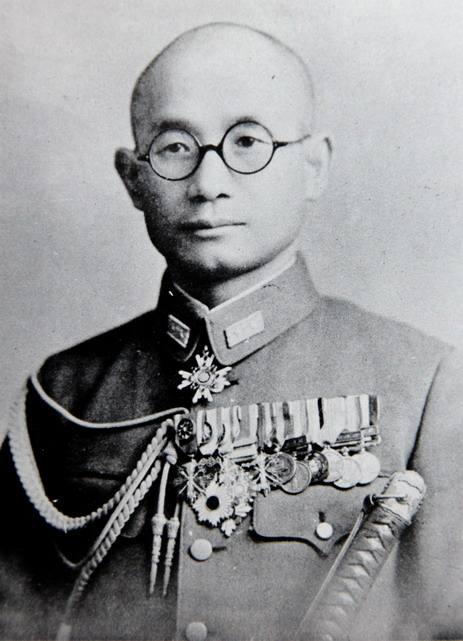
Masanobu Tsuji
Masanobu Tsuji (辻 政信, Tsuji Masanobu; 11 October 1902 – disappeared c. 1961) was a Japanese army officer and politician. During World War II, he was an important tactical planner in the Imperial Japanese Army and developed the detailed plans for the successful Japanese invasion of Malaya at the start of the war. He also helped plan and lead the final Japanese offensive during the Guadalcanal campaign.
A Pan-Asianist, Tsuji pressured Asian countries to support Japan in World War II, despite being involved in atrocities such as the Bataan Death March and Sook Ching mass killings. He meticulously planned the mass murders in Singapore and surrounding regions, personally overseeing the Pantingan River massacre. He also once cannibalized a downed Allied airman. Tsuji evaded prosecution for Japanese war crimes at the end of the war and hid in Thailand. He returned to Japan in 1949 and was elected to the Diet as an advocate of renewed militarism. Through the 1950s he worked for American intelligence alongside Takushiro Hattori. In 1961, he disappeared on a trip to Laos.
Tsuji was among the most aggressive and influential Japanese militarists. He was a leading proponent of the concept of gekokujō, (literally "the bottom overthrowing the top") by acting without or contrary to authorization. He incited the 1939 border clash with the Soviet Union and was a vehement advocate of war against the United States. According to historian John W. Dower, Tsuji was a "fanatical ideologue and pathologically brutal staff officer".
Masanobu Tsuji was born in Ishikawa Prefecture, Japan. He received his secondary education at a military academy and later graduated from the War College.
By 1934, he was active in the Army's political intrigues as a member of the Tōseiha ("Control Faction") and helped block the attempted coup d'état of the rival Kōdōha ("Imperial Way Faction"). That brought him the patronage of General and future Prime Minister Hideki Tojo and General and future War Minister Seishirō Itagaki.
From 1938 to 1939, Tsuji was a staff officer in the Kwantung Army in Japanese-occupied Mongolia. In March 1939, after the Japanese defeat at the hands of the Soviets at Changkufeng, Tsuji instigated an aggressive border policy, which triggered the Nomonhan Incident.
When the war against America and Britain started, Tsuji was on the staff of General Tomoyuki Yamashita, whose army invaded Malaya. He was largely responsible for planning Yamashita's successful landing in Malaya and subsequent campaign against Singapore. After the capture of Singapore, Tsuji helped plan the Sook Ching, a systematic massacre of thousands of Malayan Chinese who might be hostile to Japan. He is also alleged to have cannibalized an executed American flyer during the occupation of Singapore.
He was then transferred to the staff of General Homma in the Philippines. After the US surrendered there, Tsuji sought to have all American prisoners killed and encouraged the brutal mistreatment and casual murder of prisoners in the Bataan Death March. He also had many captured officials of the Philippines government executed, including by ordering the execution of Filipino Chief Justice José Abad Santos and the attempted execution of former Speaker of the House of Representatives Manuel Roxas.
Hub AI
Masanobu Tsuji AI simulator
(@Masanobu Tsuji_simulator)
Masanobu Tsuji
Masanobu Tsuji (辻 政信, Tsuji Masanobu; 11 October 1902 – disappeared c. 1961) was a Japanese army officer and politician. During World War II, he was an important tactical planner in the Imperial Japanese Army and developed the detailed plans for the successful Japanese invasion of Malaya at the start of the war. He also helped plan and lead the final Japanese offensive during the Guadalcanal campaign.
A Pan-Asianist, Tsuji pressured Asian countries to support Japan in World War II, despite being involved in atrocities such as the Bataan Death March and Sook Ching mass killings. He meticulously planned the mass murders in Singapore and surrounding regions, personally overseeing the Pantingan River massacre. He also once cannibalized a downed Allied airman. Tsuji evaded prosecution for Japanese war crimes at the end of the war and hid in Thailand. He returned to Japan in 1949 and was elected to the Diet as an advocate of renewed militarism. Through the 1950s he worked for American intelligence alongside Takushiro Hattori. In 1961, he disappeared on a trip to Laos.
Tsuji was among the most aggressive and influential Japanese militarists. He was a leading proponent of the concept of gekokujō, (literally "the bottom overthrowing the top") by acting without or contrary to authorization. He incited the 1939 border clash with the Soviet Union and was a vehement advocate of war against the United States. According to historian John W. Dower, Tsuji was a "fanatical ideologue and pathologically brutal staff officer".
Masanobu Tsuji was born in Ishikawa Prefecture, Japan. He received his secondary education at a military academy and later graduated from the War College.
By 1934, he was active in the Army's political intrigues as a member of the Tōseiha ("Control Faction") and helped block the attempted coup d'état of the rival Kōdōha ("Imperial Way Faction"). That brought him the patronage of General and future Prime Minister Hideki Tojo and General and future War Minister Seishirō Itagaki.
From 1938 to 1939, Tsuji was a staff officer in the Kwantung Army in Japanese-occupied Mongolia. In March 1939, after the Japanese defeat at the hands of the Soviets at Changkufeng, Tsuji instigated an aggressive border policy, which triggered the Nomonhan Incident.
When the war against America and Britain started, Tsuji was on the staff of General Tomoyuki Yamashita, whose army invaded Malaya. He was largely responsible for planning Yamashita's successful landing in Malaya and subsequent campaign against Singapore. After the capture of Singapore, Tsuji helped plan the Sook Ching, a systematic massacre of thousands of Malayan Chinese who might be hostile to Japan. He is also alleged to have cannibalized an executed American flyer during the occupation of Singapore.
He was then transferred to the staff of General Homma in the Philippines. After the US surrendered there, Tsuji sought to have all American prisoners killed and encouraged the brutal mistreatment and casual murder of prisoners in the Bataan Death March. He also had many captured officials of the Philippines government executed, including by ordering the execution of Filipino Chief Justice José Abad Santos and the attempted execution of former Speaker of the House of Representatives Manuel Roxas.