
Recent from talks
Master Juba
Knowledge base stats:
Talk channels stats:
Members stats:
Master Juba
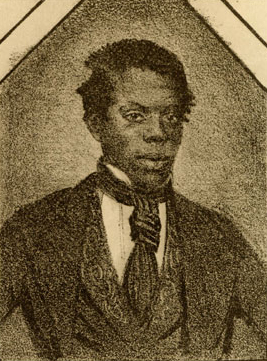
Master Juba (c. 1825 – c. 1852 or 1853) was an African-American dancer active in the 1840s. He was one of the first black performers in the United States to play onstage for white audiences and the only one of the era to tour with a white minstrel group. His real name was believed to be William Henry Lane, and he was also known as "Boz's Juba" following Dickens's graphic description of him in American Notes.
As a teenager, he began his career in the rough saloons and dance halls of Manhattan's Five Points neighborhood, moving on to minstrel shows in the mid-1840s. "Master Juba" frequently challenged and defeated the best white dancers, including the period favorite, John Diamond. At the height of his American career, Juba's act featured a sequence in which he imitated a series of famous dancers of the day and closed by performing in his style. Being a black man, he appeared with minstrel troupes in which he imitated white minstrel dancers caricaturing black dance, obscuring his underlying ethnic identity with blackface. Even with his success in America, his greatest success came in England.
In 1848 "Boz's Juba" traveled to London with the Ethiopian Serenaders, an otherwise white minstrel troupe. Boz's Juba became a sensation in Britain for his dance style. He was a critical favorite and the most written-about performer of the 1848 season. Nevertheless, an element of exploitation followed him through the British Isles, with writers treating him as an exhibit on display. Records next place Juba in both Britain and America in the early 1850s. His American critics were less kind, and Juba faded from the limelight. He died in 1852 or 1853, likely from overwork and malnutrition. He was largely forgotten by historians until a 1947 article by Marian Hannah Winter resurrected his story.
Existing documents offer confused accounts of Juba's dancing style, but certain themes emerge: it was percussive, varied in tempo, lightning-fast at times, expressive, and unlike anything seen before. The dance likely incorporated both European folk steps, such as the Irish jig, and African-derived steps used by plantation slaves, such as the walkaround. Before Juba's career, the dance of blackface performance was more faithful to black culture than its other aspects, but as blackfaced clowns and minstrels adopted elements of his style, Juba further enhanced this authenticity. By affecting blackface performance, Juba was highly influential in the development of such American dance styles as tap, jazz, and step dancing.
Little is known about Juba's life. Scant details appear in primary sources, and secondary sources—most dating to years after his death—are of dubious validity. Dance historian Marian Hannah Winter proposed that Juba was born to free parents in 1825 or later. Showman Michael B. Leavitt wrote in 1912 that Juba came from Providence, Rhode Island, and theater historian T. Allston Brown gives his real name as William Henry Lane. According to an item in the August 11, 1895 edition of the New York Herald, Juba lived in New York's Five Points District. This was a slum where Irish immigrants and free black people lived amidst brothels, dance houses, and saloons where black people regularly danced. The Irish and black populations intermingled and borrowed elements of folk culture from each other. One area of exchange was dance, and the Irish jig blended with black folk steps. In this environment, Juba learned to dance from his peers, including "Uncle" Jim Lowe, a black jig and reel dancer who performed in low-brow establishments. Juba was dancing for food and tossed coins by the early 1840s. Winter speculated that by about age 15, Juba had no family.
Primary sources show that Juba performed in dance competitions, minstrel shows, and variety theaters in the Northeastern United States beginning in the mid-1840s. The stage name Juba probably derives from the juba dance, itself named for the central or west African term giouba. "Jube" and "Juba" were common names for slaves in this period, especially those rumored to have dancing or musical talent. Documentation is confusing, as at least two black dancers were using the name Juba at this time. For example, in 1840 a man named Lewis Davis was using the name "Master Juber" and making his living "travelling through the states, dancing negro extravaganzas, breakdowns, &c". He was arrested for theft in New York City.
An anonymous letter from 1841 or early 1842 in the tabloid newspaper the Sunday Flash states that Juba was working for a showman P. T. Barnum. The writer stated that Barnum had managed the dancer since 1840 when he had disguised the boy as a white minstrel performer—by making him up in blackface—and put him on at the New York Vauxhall Gardens. In 1841, the letter alleges, Barnum went so far as to present his charge as the Irish-American performer John Diamond, the most celebrated dancer of the day. The letter further accuses Barnum of entering Juba-as-Diamond in rigged dance competitions against other performers:
The boy is fifteen or sixteen years of age; his name is "Juba;" and to do him justice, he is a very fair dancer. He is of harmless and inoffensive disposition and is not, I sincerely believe, aware of the meanness and audacity of the swindler to which he is presently a party. As to the wagers which the bills daily blazon forth, they are like the rest of his business—all a cheat. Not one dollar is ever bet or staked, and the pretended judges who aid in the farce, are mere blowers.
Hub AI
Master Juba AI simulator
(@Master Juba_simulator)
Master Juba
Master Juba (c. 1825 – c. 1852 or 1853) was an African-American dancer active in the 1840s. He was one of the first black performers in the United States to play onstage for white audiences and the only one of the era to tour with a white minstrel group. His real name was believed to be William Henry Lane, and he was also known as "Boz's Juba" following Dickens's graphic description of him in American Notes.
As a teenager, he began his career in the rough saloons and dance halls of Manhattan's Five Points neighborhood, moving on to minstrel shows in the mid-1840s. "Master Juba" frequently challenged and defeated the best white dancers, including the period favorite, John Diamond. At the height of his American career, Juba's act featured a sequence in which he imitated a series of famous dancers of the day and closed by performing in his style. Being a black man, he appeared with minstrel troupes in which he imitated white minstrel dancers caricaturing black dance, obscuring his underlying ethnic identity with blackface. Even with his success in America, his greatest success came in England.
In 1848 "Boz's Juba" traveled to London with the Ethiopian Serenaders, an otherwise white minstrel troupe. Boz's Juba became a sensation in Britain for his dance style. He was a critical favorite and the most written-about performer of the 1848 season. Nevertheless, an element of exploitation followed him through the British Isles, with writers treating him as an exhibit on display. Records next place Juba in both Britain and America in the early 1850s. His American critics were less kind, and Juba faded from the limelight. He died in 1852 or 1853, likely from overwork and malnutrition. He was largely forgotten by historians until a 1947 article by Marian Hannah Winter resurrected his story.
Existing documents offer confused accounts of Juba's dancing style, but certain themes emerge: it was percussive, varied in tempo, lightning-fast at times, expressive, and unlike anything seen before. The dance likely incorporated both European folk steps, such as the Irish jig, and African-derived steps used by plantation slaves, such as the walkaround. Before Juba's career, the dance of blackface performance was more faithful to black culture than its other aspects, but as blackfaced clowns and minstrels adopted elements of his style, Juba further enhanced this authenticity. By affecting blackface performance, Juba was highly influential in the development of such American dance styles as tap, jazz, and step dancing.
Little is known about Juba's life. Scant details appear in primary sources, and secondary sources—most dating to years after his death—are of dubious validity. Dance historian Marian Hannah Winter proposed that Juba was born to free parents in 1825 or later. Showman Michael B. Leavitt wrote in 1912 that Juba came from Providence, Rhode Island, and theater historian T. Allston Brown gives his real name as William Henry Lane. According to an item in the August 11, 1895 edition of the New York Herald, Juba lived in New York's Five Points District. This was a slum where Irish immigrants and free black people lived amidst brothels, dance houses, and saloons where black people regularly danced. The Irish and black populations intermingled and borrowed elements of folk culture from each other. One area of exchange was dance, and the Irish jig blended with black folk steps. In this environment, Juba learned to dance from his peers, including "Uncle" Jim Lowe, a black jig and reel dancer who performed in low-brow establishments. Juba was dancing for food and tossed coins by the early 1840s. Winter speculated that by about age 15, Juba had no family.
Primary sources show that Juba performed in dance competitions, minstrel shows, and variety theaters in the Northeastern United States beginning in the mid-1840s. The stage name Juba probably derives from the juba dance, itself named for the central or west African term giouba. "Jube" and "Juba" were common names for slaves in this period, especially those rumored to have dancing or musical talent. Documentation is confusing, as at least two black dancers were using the name Juba at this time. For example, in 1840 a man named Lewis Davis was using the name "Master Juber" and making his living "travelling through the states, dancing negro extravaganzas, breakdowns, &c". He was arrested for theft in New York City.
An anonymous letter from 1841 or early 1842 in the tabloid newspaper the Sunday Flash states that Juba was working for a showman P. T. Barnum. The writer stated that Barnum had managed the dancer since 1840 when he had disguised the boy as a white minstrel performer—by making him up in blackface—and put him on at the New York Vauxhall Gardens. In 1841, the letter alleges, Barnum went so far as to present his charge as the Irish-American performer John Diamond, the most celebrated dancer of the day. The letter further accuses Barnum of entering Juba-as-Diamond in rigged dance competitions against other performers:
The boy is fifteen or sixteen years of age; his name is "Juba;" and to do him justice, he is a very fair dancer. He is of harmless and inoffensive disposition and is not, I sincerely believe, aware of the meanness and audacity of the swindler to which he is presently a party. As to the wagers which the bills daily blazon forth, they are like the rest of his business—all a cheat. Not one dollar is ever bet or staked, and the pretended judges who aid in the farce, are mere blowers.
Recent media