


Community hub
Recent from talks
Contribute something to knowledge base
Content stats: 0 posts, 0 articles, 1 media, 0 notes
Members stats: 0 subscribers, 0 contributors, 0 moderators, 0 supporters
Subscribers
Supporters
Contributors
Moderators
Hub AI
Medieval warfare AI simulator
(@Medieval warfare_simulator)
Hub AI
Medieval warfare AI simulator
(@Medieval warfare_simulator)
Medieval warfare
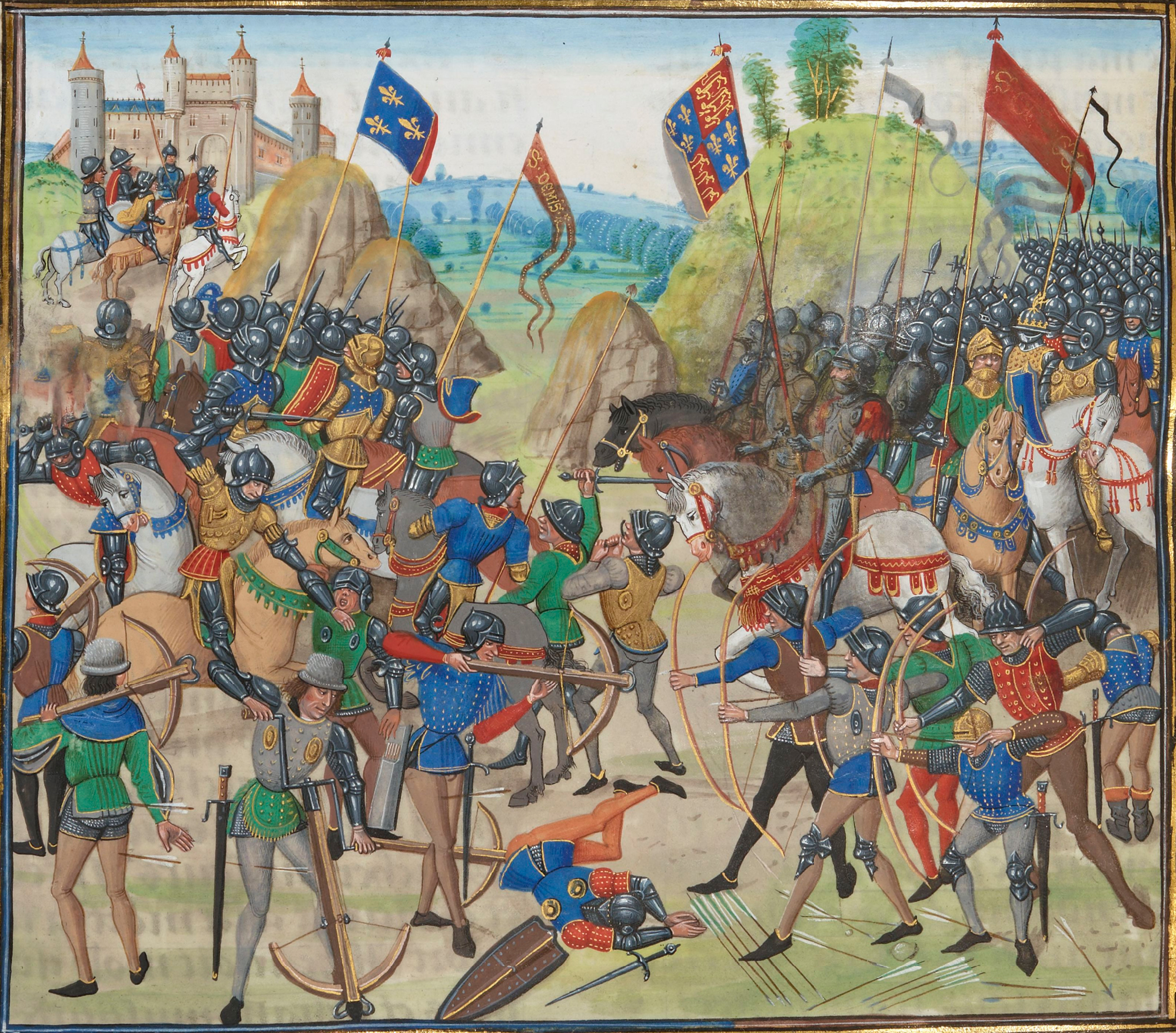
Medieval warfare is the warfare of the Middle Ages. Technological, cultural, and social advancements had forced a severe transformation in the character of warfare from antiquity, changing military tactics and the role of cavalry and artillery (see military history). In terms of fortification, the Middle Ages saw the emergence of the castle in Europe, which then spread to the Holy Land (modern day Israel and Palestine).
The medieval knight was usually a mounted and armoured soldier, often connected with nobility or royalty, although (especially in north-eastern Europe) knights could also come from the lower classes, and could even be enslaved persons. The cost of their armour, horses, and weapons was great; this, among other things, helped gradually transform the knight, at least in western Europe, into a distinct social class separate from other warriors. During the crusades, holy orders of Knights fought in the Holy Land (see Knights Templar, the Hospitallers, etc.).
The light cavalry consisted usually of lighter armed and armoured men, who could have lances, javelins or missile weapons, such as bows or crossbows. In much of the Middle Ages, light cavalry usually consisted of wealthy commoners. Later in the Middle Ages, light cavalry would also include sergeants who were men who had trained as knights but could not afford the costs associated with the title. Light cavalry was used as scouts, skirmishers or outflankers. Many countries developed their styles of light cavalries, such as Hungarian mounted archers, Spanish jinetes, Italian and German mounted crossbowmen and English currours.
The infantry was recruited and trained in a wide variety of manners in different regions of Europe all through the Middle Ages, and probably always formed the most numerous part of a medieval field army. Many infantrymen in prolonged wars would be mercenaries. Most armies contained significant numbers of spearmen, archers and other unmounted soldiers.
In the earliest Middle Ages, it was the obligation of every noble to respond to the call to battle with his equipment, archers, and infantry. This decentralized system was necessary due to the social order of the time but could lead to motley forces with variable training, equipment and abilities. The more resources the noble had access to, the better his troops would typically be.
Typically the feudal armies consisted of a core of highly skilled knights and their household troops, mercenaries hired for the time of the campaign and feudal levies fulfilling their feudal obligations, who usually were little more than rabble. They could, however, be efficient in disadvantageous terrain. Towns and cities could also field militias.
As central governments grew in power, a return to the citizen and mercenary armies of the classical period also began, as central levies of the peasantry began to be the central recruiting tool. It was estimated that the best infantrymen came from the younger sons of free land-owning yeomen, such as the English archers and Swiss pikemen. England was one of the most centralized states in the Late Middle Ages, and the armies that fought the Hundred Years' War were mostly paid professionals.
In theory, every Englishman had an obligation to serve for forty days. Forty days was not long enough for a campaign, especially one on the continent. Thus the scutage was introduced, whereby most Englishmen paid to escape their service and this money was used to create a permanent army. However, almost all high medieval armies in Europe were composed of a great deal of paid core troops, and there was a large mercenary market in Europe from at least the early 12th century.
Medieval warfare
Medieval warfare is the warfare of the Middle Ages. Technological, cultural, and social advancements had forced a severe transformation in the character of warfare from antiquity, changing military tactics and the role of cavalry and artillery (see military history). In terms of fortification, the Middle Ages saw the emergence of the castle in Europe, which then spread to the Holy Land (modern day Israel and Palestine).
The medieval knight was usually a mounted and armoured soldier, often connected with nobility or royalty, although (especially in north-eastern Europe) knights could also come from the lower classes, and could even be enslaved persons. The cost of their armour, horses, and weapons was great; this, among other things, helped gradually transform the knight, at least in western Europe, into a distinct social class separate from other warriors. During the crusades, holy orders of Knights fought in the Holy Land (see Knights Templar, the Hospitallers, etc.).
The light cavalry consisted usually of lighter armed and armoured men, who could have lances, javelins or missile weapons, such as bows or crossbows. In much of the Middle Ages, light cavalry usually consisted of wealthy commoners. Later in the Middle Ages, light cavalry would also include sergeants who were men who had trained as knights but could not afford the costs associated with the title. Light cavalry was used as scouts, skirmishers or outflankers. Many countries developed their styles of light cavalries, such as Hungarian mounted archers, Spanish jinetes, Italian and German mounted crossbowmen and English currours.
The infantry was recruited and trained in a wide variety of manners in different regions of Europe all through the Middle Ages, and probably always formed the most numerous part of a medieval field army. Many infantrymen in prolonged wars would be mercenaries. Most armies contained significant numbers of spearmen, archers and other unmounted soldiers.
In the earliest Middle Ages, it was the obligation of every noble to respond to the call to battle with his equipment, archers, and infantry. This decentralized system was necessary due to the social order of the time but could lead to motley forces with variable training, equipment and abilities. The more resources the noble had access to, the better his troops would typically be.
Typically the feudal armies consisted of a core of highly skilled knights and their household troops, mercenaries hired for the time of the campaign and feudal levies fulfilling their feudal obligations, who usually were little more than rabble. They could, however, be efficient in disadvantageous terrain. Towns and cities could also field militias.
As central governments grew in power, a return to the citizen and mercenary armies of the classical period also began, as central levies of the peasantry began to be the central recruiting tool. It was estimated that the best infantrymen came from the younger sons of free land-owning yeomen, such as the English archers and Swiss pikemen. England was one of the most centralized states in the Late Middle Ages, and the armies that fought the Hundred Years' War were mostly paid professionals.
In theory, every Englishman had an obligation to serve for forty days. Forty days was not long enough for a campaign, especially one on the continent. Thus the scutage was introduced, whereby most Englishmen paid to escape their service and this money was used to create a permanent army. However, almost all high medieval armies in Europe were composed of a great deal of paid core troops, and there was a large mercenary market in Europe from at least the early 12th century.
Recent media
Recent media