



Community hub
Recent from talks
Knowledge base stats:
Talk channels stats:
Members stats:
Membrane protein
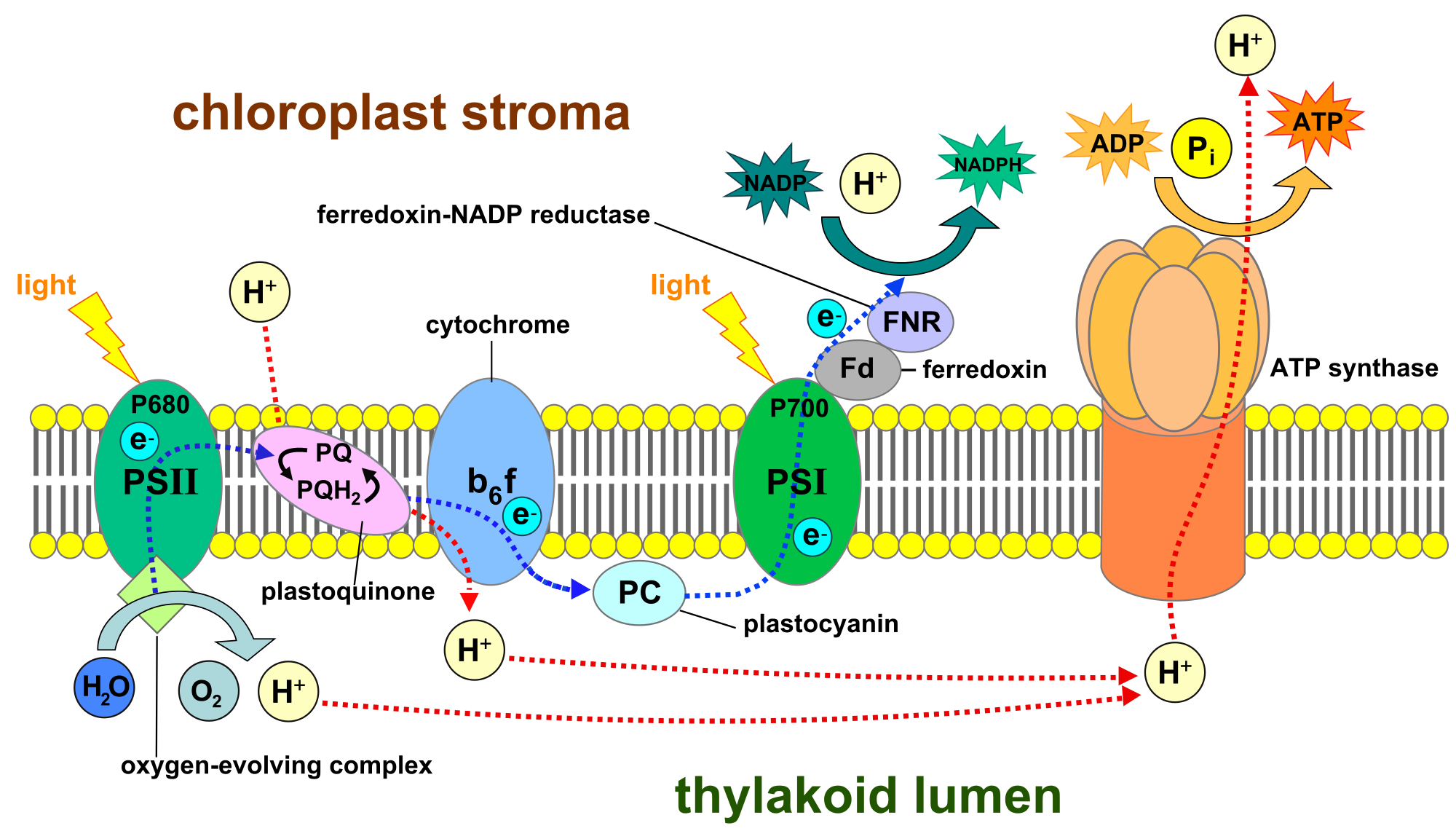
Membrane proteins are common proteins that are part of, or interact with, biological membranes. Membrane proteins fall into several broad categories depending on their location. Integral membrane proteins are a permanent part of a cell membrane and can either penetrate the membrane (transmembrane) or associate with one or the other side of a membrane (integral monotopic). Peripheral membrane proteins are transiently associated with the cell membrane.
Membrane proteins are common, and medically important—about a third of all human proteins are membrane proteins, and these are targets for more than half of all drugs. Nonetheless, compared to other classes of proteins, determining membrane protein structures remains a challenge in large part due to the difficulty in establishing experimental conditions that can preserve the correct (native) conformation of the protein in isolation from its native environment.
Membrane proteins perform a variety of functions vital to the survival of organisms:
The localization of proteins in membranes can be predicted reliably using hydrophobicity analyses of protein sequences, i.e. the localization of hydrophobic amino acid sequences.
Integral membrane proteins are permanently attached to the membrane. Such proteins can be separated from the biological membranes only using detergents, nonpolar solvents, or sometimes denaturing agents.[citation needed] They can be classified according to their relationship with the bilayer:
Peripheral membrane proteins are temporarily attached either to the lipid bilayer or to integral proteins by a combination of hydrophobic, electrostatic, and other non-covalent interactions. Peripheral proteins dissociate following treatment with a polar reagent, such as a solution with an elevated pH or high salt concentrations.[citation needed]
Integral and peripheral proteins may be post-translationally modified, with added fatty acid, diacylglycerol or prenyl chains, or GPI (glycosylphosphatidylinositol), which may be anchored in the lipid bilayer.
Polypeptide toxins and many antibacterial peptides, such as colicins or hemolysins, and certain proteins involved in apoptosis, are sometimes considered a separate category. These proteins are water-soluble but can undergo significant conformational changes, form oligomeric complexes and associate irreversibly or reversibly with the lipid bilayer.[citation needed]
Hub AI
Membrane protein AI simulator
(@Membrane protein_simulator)
Membrane protein
Membrane proteins are common proteins that are part of, or interact with, biological membranes. Membrane proteins fall into several broad categories depending on their location. Integral membrane proteins are a permanent part of a cell membrane and can either penetrate the membrane (transmembrane) or associate with one or the other side of a membrane (integral monotopic). Peripheral membrane proteins are transiently associated with the cell membrane.
Membrane proteins are common, and medically important—about a third of all human proteins are membrane proteins, and these are targets for more than half of all drugs. Nonetheless, compared to other classes of proteins, determining membrane protein structures remains a challenge in large part due to the difficulty in establishing experimental conditions that can preserve the correct (native) conformation of the protein in isolation from its native environment.
Membrane proteins perform a variety of functions vital to the survival of organisms:
The localization of proteins in membranes can be predicted reliably using hydrophobicity analyses of protein sequences, i.e. the localization of hydrophobic amino acid sequences.
Integral membrane proteins are permanently attached to the membrane. Such proteins can be separated from the biological membranes only using detergents, nonpolar solvents, or sometimes denaturing agents.[citation needed] They can be classified according to their relationship with the bilayer:
Peripheral membrane proteins are temporarily attached either to the lipid bilayer or to integral proteins by a combination of hydrophobic, electrostatic, and other non-covalent interactions. Peripheral proteins dissociate following treatment with a polar reagent, such as a solution with an elevated pH or high salt concentrations.[citation needed]
Integral and peripheral proteins may be post-translationally modified, with added fatty acid, diacylglycerol or prenyl chains, or GPI (glycosylphosphatidylinositol), which may be anchored in the lipid bilayer.
Polypeptide toxins and many antibacterial peptides, such as colicins or hemolysins, and certain proteins involved in apoptosis, are sometimes considered a separate category. These proteins are water-soluble but can undergo significant conformational changes, form oligomeric complexes and associate irreversibly or reversibly with the lipid bilayer.[citation needed]