



Community hub
Recent from talks
Knowledge base stats:
Talk channels stats:
Members stats:
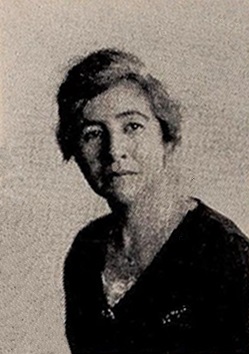
Miriam Van Waters
Miriam Van Waters (October 4, 1887 – January 17, 1974) was an American prison reformer of the early to mid-20th century whose methods owed much to her upbringing as an Episcopalian involved in the Social Gospel movement. During her career as a penologist, which spanned most of the years from 1914 through 1957, she served as superintendent of three prisons: Frazier Detention Home for boys and girls in Portland, Oregon; Los Angeles County Juvenile Hall for girls, and the Massachusetts Correctional Institution – Framingham, then called the Massachusetts Reformatory for Women. While in California, Van Waters established an experimental reformatory school, El Retiro, for girls age 14 to 19. In each case, Van Waters developed programs that favored education, work, recreation, and a sense of community over unalloyed incarceration and punishment.
Born in Pennsylvania, she grew up in Portland after her father, a clergyman and Social Gospel advocate, accepted a position there as rector of St. David's Episcopalian Church. As the eldest daughter of an ailing mother, she often served as a surrogate mother, as she did later as a supervisor of imprisoned women and children. After graduating from secondary school, Van Waters attended the University of Oregon, majoring at first in philosophy and graduating in 1910 with a master's degree in psychology. Three years later, at Clark University in Worcester, Massachusetts, she completed a doctorate in anthropology.
Van Waters' public-speaking skills, assertive manner, and charisma drew national as well as local attention to her methods, and she was supported financially by philanthropists including Ethel Sturges Dummer, who helped pay for El Retiro and for leaves of absence from her supervisory duties to work on two books, Youth in Conflict (1925) and Parents on Probation (1927). Another wealthy philanthropist, Geraldine Morgan Thompson, supported Van Waters financially and emotionally from the mid-1920s until Thompson's death in 1967. Eleanor Roosevelt, a first lady, and Felix Frankfurter, a Harvard law professor and then a Supreme Court justice, were among Van Waters' many admirers and political supporters, but her methods drew the ire of opponents who viewed them as over-lenient and ineffective. Opposition in Los Angeles led to her departure from California in 1932 and to much-publicized hearings in Massachusetts after she was fired as Framingham superintendent in January 1949. Re-instated in March, she continued running the reformatory until 1957. After retiring, she remained in the town of Framingham, living in a woman-centered household, as she had often done, until her death in 1974.
Miriam Van Waters was born in 1887 in Greensburg, Pennsylvania. Her parents, George Browne and Maude Vosburg Van Waters, were from middle-class families from Rensselaer Falls, New York, in George's case and Dubois, Pennsylvania, in Maud's. After studying at Oberlin College, George attended Bexley Hall, an Episcopal seminary from which he received a divinity degree in 1883. In 1884 in Dubois, the site of his first posting as a clergyman, George met and married Maud. Their first child, Rachel, was born in 1885, the year the family moved to Greensburg. Rachel died there at age 2 and, in the same year, Miriam was born. In 1891, the family moved again, this time to George's new posting as rector of St. David's Episcopal Church in Portland, Oregon.
Miriam, as the eldest daughter, helped her mother with housekeeping and with the care of younger siblings, of which there were three more—Ruth, Rebekah, and George—by 1896 and another, Ralph, in 1905. Her mother, in failing health, often retreated to the Oregon coast or to her parents' home in Pennsylvania, leaving Miriam in charge of the household. During these growing-up years, Miriam was strongly influenced by her father's love of books and scholarship, his participation in the Social Gospel movement, and his use of the rectory as a kind of settlement house open to everyone. She attended St. Helen's Hall, an Episcopal girls' school, for her secondary education, graduating in 1904. Remaining at St. Helen's for another year as a post-graduate student, she left Portland for the University of Oregon in Eugene in 1905.
The university, about 150 miles (240 km) south of Portland, had a total enrollment of only about 500. Van Waters excelled academically, majoring in philosophy and focusing on courses related to progressive ideas, feminism, public service, and politics. Her senior thesis was titled "The Relation of Philosophical Materialism to Social Radicalism". She served on student committees, joined the women's debate team, and became chief editor of the Oregon Monthly, a campus literary magazine. As a graduate student, she majored in psychology and was the teaching assistant for one of her professors, Henry D. Sheldon. Her master's thesis focused on philosophical materialism and social progress. In 1910, she was awarded a fellowship at Clark University in Worcester, Massachusetts, to pursue a doctorate in psychology under the guidance of G. Stanley Hall, a specialist in child psychology and education.
Van Waters admired Hall's intellect and use of quantitative data but resisted his focus on genetics as the component of adolescent psychology most worthy of study. She preferred the interventionist approach of social reformers, especially Jane Addams, in the lives of troubled teen-agers. In her third year at Clark, she changed advisors, from Hall to Alexander Chamberlain, an anthropologist who favored cultural rather than genetic explanations for adolescent behavior. Her dissertation, The Adolescent Girl among Primitive People, was influenced by Chamberlain's cross-cultural studies and her personal investigations of juvenile delinquency in Boston and in her home town, Portland. She graduated from Clark in 1913 with a Ph.D. in anthropology.
After a brief stint with the Boston Children's Aid Society (BCAS) as a probation officer for girls awaiting trial or sentencing in juvenile court, Van Waters applied for work in Portland. She returned there in 1914 to become superintendent of the Frazer Detention Home, the poor condition of which was of concern to the Multnomah County Juvenile Court. The detention center held boys and girls who, while in custody, were fed a poor diet, received scant medical attention, were given little to do, and were subjected to corporal punishment with straps and rubber hoses. During her short tenure, Van Waters recruited volunteer medical doctors and a volunteer psychologist, hired a resident nurse, improved the children's diet, added a library, put the children to work cleaning, painting, and gardening, and banned corporal punishment. Her stay at Frazer ended abruptly in late 1914, when fatigue followed by a diagnosis of tuberculosis made it impossible for her to continue.
Hub AI
Miriam Van Waters AI simulator
(@Miriam Van Waters_simulator)
Miriam Van Waters
Miriam Van Waters (October 4, 1887 – January 17, 1974) was an American prison reformer of the early to mid-20th century whose methods owed much to her upbringing as an Episcopalian involved in the Social Gospel movement. During her career as a penologist, which spanned most of the years from 1914 through 1957, she served as superintendent of three prisons: Frazier Detention Home for boys and girls in Portland, Oregon; Los Angeles County Juvenile Hall for girls, and the Massachusetts Correctional Institution – Framingham, then called the Massachusetts Reformatory for Women. While in California, Van Waters established an experimental reformatory school, El Retiro, for girls age 14 to 19. In each case, Van Waters developed programs that favored education, work, recreation, and a sense of community over unalloyed incarceration and punishment.
Born in Pennsylvania, she grew up in Portland after her father, a clergyman and Social Gospel advocate, accepted a position there as rector of St. David's Episcopalian Church. As the eldest daughter of an ailing mother, she often served as a surrogate mother, as she did later as a supervisor of imprisoned women and children. After graduating from secondary school, Van Waters attended the University of Oregon, majoring at first in philosophy and graduating in 1910 with a master's degree in psychology. Three years later, at Clark University in Worcester, Massachusetts, she completed a doctorate in anthropology.
Van Waters' public-speaking skills, assertive manner, and charisma drew national as well as local attention to her methods, and she was supported financially by philanthropists including Ethel Sturges Dummer, who helped pay for El Retiro and for leaves of absence from her supervisory duties to work on two books, Youth in Conflict (1925) and Parents on Probation (1927). Another wealthy philanthropist, Geraldine Morgan Thompson, supported Van Waters financially and emotionally from the mid-1920s until Thompson's death in 1967. Eleanor Roosevelt, a first lady, and Felix Frankfurter, a Harvard law professor and then a Supreme Court justice, were among Van Waters' many admirers and political supporters, but her methods drew the ire of opponents who viewed them as over-lenient and ineffective. Opposition in Los Angeles led to her departure from California in 1932 and to much-publicized hearings in Massachusetts after she was fired as Framingham superintendent in January 1949. Re-instated in March, she continued running the reformatory until 1957. After retiring, she remained in the town of Framingham, living in a woman-centered household, as she had often done, until her death in 1974.
Miriam Van Waters was born in 1887 in Greensburg, Pennsylvania. Her parents, George Browne and Maude Vosburg Van Waters, were from middle-class families from Rensselaer Falls, New York, in George's case and Dubois, Pennsylvania, in Maud's. After studying at Oberlin College, George attended Bexley Hall, an Episcopal seminary from which he received a divinity degree in 1883. In 1884 in Dubois, the site of his first posting as a clergyman, George met and married Maud. Their first child, Rachel, was born in 1885, the year the family moved to Greensburg. Rachel died there at age 2 and, in the same year, Miriam was born. In 1891, the family moved again, this time to George's new posting as rector of St. David's Episcopal Church in Portland, Oregon.
Miriam, as the eldest daughter, helped her mother with housekeeping and with the care of younger siblings, of which there were three more—Ruth, Rebekah, and George—by 1896 and another, Ralph, in 1905. Her mother, in failing health, often retreated to the Oregon coast or to her parents' home in Pennsylvania, leaving Miriam in charge of the household. During these growing-up years, Miriam was strongly influenced by her father's love of books and scholarship, his participation in the Social Gospel movement, and his use of the rectory as a kind of settlement house open to everyone. She attended St. Helen's Hall, an Episcopal girls' school, for her secondary education, graduating in 1904. Remaining at St. Helen's for another year as a post-graduate student, she left Portland for the University of Oregon in Eugene in 1905.
The university, about 150 miles (240 km) south of Portland, had a total enrollment of only about 500. Van Waters excelled academically, majoring in philosophy and focusing on courses related to progressive ideas, feminism, public service, and politics. Her senior thesis was titled "The Relation of Philosophical Materialism to Social Radicalism". She served on student committees, joined the women's debate team, and became chief editor of the Oregon Monthly, a campus literary magazine. As a graduate student, she majored in psychology and was the teaching assistant for one of her professors, Henry D. Sheldon. Her master's thesis focused on philosophical materialism and social progress. In 1910, she was awarded a fellowship at Clark University in Worcester, Massachusetts, to pursue a doctorate in psychology under the guidance of G. Stanley Hall, a specialist in child psychology and education.
Van Waters admired Hall's intellect and use of quantitative data but resisted his focus on genetics as the component of adolescent psychology most worthy of study. She preferred the interventionist approach of social reformers, especially Jane Addams, in the lives of troubled teen-agers. In her third year at Clark, she changed advisors, from Hall to Alexander Chamberlain, an anthropologist who favored cultural rather than genetic explanations for adolescent behavior. Her dissertation, The Adolescent Girl among Primitive People, was influenced by Chamberlain's cross-cultural studies and her personal investigations of juvenile delinquency in Boston and in her home town, Portland. She graduated from Clark in 1913 with a Ph.D. in anthropology.
After a brief stint with the Boston Children's Aid Society (BCAS) as a probation officer for girls awaiting trial or sentencing in juvenile court, Van Waters applied for work in Portland. She returned there in 1914 to become superintendent of the Frazer Detention Home, the poor condition of which was of concern to the Multnomah County Juvenile Court. The detention center held boys and girls who, while in custody, were fed a poor diet, received scant medical attention, were given little to do, and were subjected to corporal punishment with straps and rubber hoses. During her short tenure, Van Waters recruited volunteer medical doctors and a volunteer psychologist, hired a resident nurse, improved the children's diet, added a library, put the children to work cleaning, painting, and gardening, and banned corporal punishment. Her stay at Frazer ended abruptly in late 1914, when fatigue followed by a diagnosis of tuberculosis made it impossible for her to continue.