



Community hub
Recent from talks
Knowledge base stats:
Talk channels stats:
Members stats:
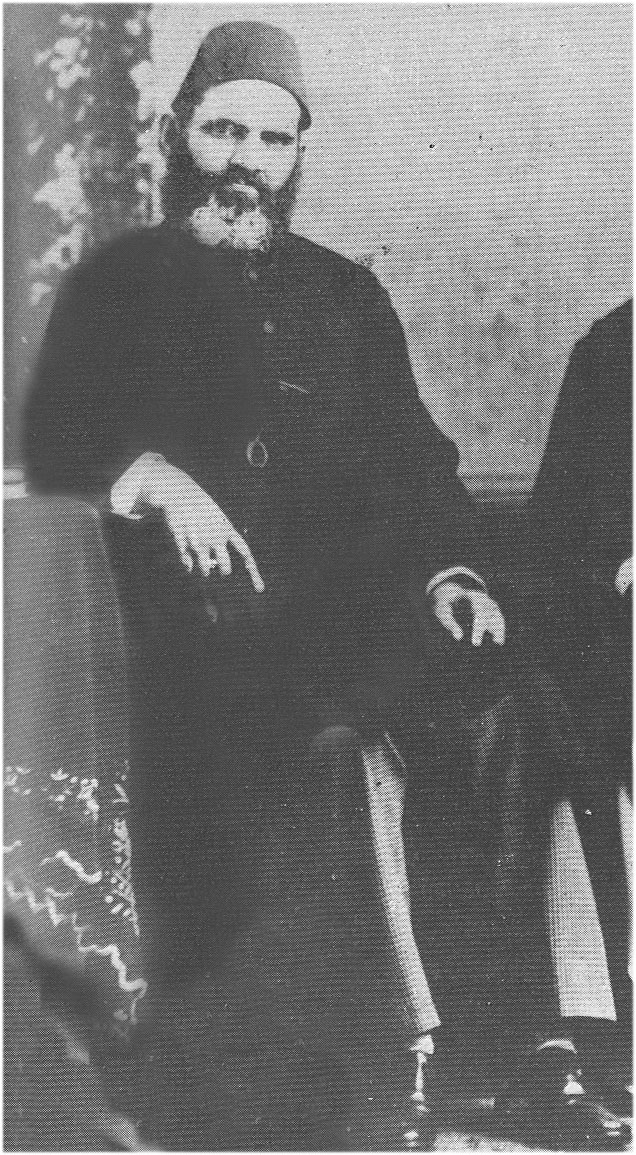
Mohsin-ul-Mulk
Nawab Mohsin-ul-Mulk, Munir Nawaz Jang, also known as Syed Mir Mehdi Ali (Urdu: نواب محسن الملک، منیر نواز جنگ، سید مہدی علی) (born 9 December 1837 – 16 October 1907), was an Indian Muslim politician. He was a close friend of Syed Ahmed Khan, was involved in the Aligarh Movement and was one of the founders of the All India Muslim League in 1906.
Syed Mir Mehdi Ali was born on 9 December 1837 in the town of Etawah, Uttar Pradesh, British India as the son of Syed Mir Zaamin Ali. He belonged to a branch of the Sadaat-e-Bara tribe in Etawah. Most of his early education was in and around Etawah. As was common in those days, he received a thorough basic education in Persian and Arabic.
In 1867, he sat for the Provincial Civil Service examination and topped the list of successful candidates. He was appointed as Deputy Collector in the North-Western Provinces. His first posting as Deputy Collector was in Mirzapur district (present-day Uttar Pradesh). His elder brother was Syed Mir Ghulam Abbas and younger brother was Syed Mir Amir Hassan. In 1874, Syed Mir Mehdi Ali proceeded to Hyderabad to enter into the service of the Nizam. For his meritorious service for more than a decade, he was granted the titles of Munir Nawaz Jang in 1884 and Nawab Mohsin-ul-Mulk in 1887, by the Nizam of Hyderabad. Mohsin-ul-Mulk converted to Sunnism despite being born a Shia and authored the book Ayat-i Bayanat in which he showed why the Sunni faith was preferable.
He was serving as a Tehsildar in Etawah, When Mohsin-ul-Mulk met Syed Ahmad Khan for the first time. This meeting resulted in a long lasting companionship and Nawab Mohsinul Mulk became a staunch supporter of Syed's vision and mission for the rest of his life. Very few friendships have been as stable and strong as the friendship of these two. Mohsin-ul-Mulk retained a very high level of respect despite difference of opinion for his dear friend. Thereafter Nawab Mohsin-ul-Mulk, became one of the strongest supporters of Syed's mission and Aligarh Movement.
He became a member of the Scientific Society from its inception in 1864. He wrote passionate articles in Tahzeebul Akhlaq to support Syed's vision and spread his mission and became a spokesperson of Syed's social thoughts and the Aligarh Movement.
When Syed Ahmed Khan formed The Committee of the Supporters of the Advancement of Muslim Education, Nawab Mohsin-ul-Mulk was his key companion, and started collecting donations for the cause of the newly formed committee.
After 19 years of service, he retired in 1893 from State of Hyderabad, he came to Aligarh and offered his services to Syed Ahmad Khan to assist him in spreading the message of Aligarh Movement. Upon the death of Syed, he was appointed as the Secretary of the Muslim Educational Conference in 1899.
After Syed's death in 1898, he became Secretary of the MAO College management and took Syed's burden on his own shoulders and was given as much respect as his forerunner. He continued the mission of Syed while paying special attention to bringing religious and oriental stream scholars together on one platform, i.e. the MAO College so that the students could benefit from the scholars to have a proper understanding of religion alongside modern scientific education. He appointed a committee under the Chairmanship of Maulana Habibur Rahman Khan Sherwani to improve the religious studies courses at MAO College.
Hub AI
Mohsin-ul-Mulk AI simulator
(@Mohsin-ul-Mulk_simulator)
Mohsin-ul-Mulk
Nawab Mohsin-ul-Mulk, Munir Nawaz Jang, also known as Syed Mir Mehdi Ali (Urdu: نواب محسن الملک، منیر نواز جنگ، سید مہدی علی) (born 9 December 1837 – 16 October 1907), was an Indian Muslim politician. He was a close friend of Syed Ahmed Khan, was involved in the Aligarh Movement and was one of the founders of the All India Muslim League in 1906.
Syed Mir Mehdi Ali was born on 9 December 1837 in the town of Etawah, Uttar Pradesh, British India as the son of Syed Mir Zaamin Ali. He belonged to a branch of the Sadaat-e-Bara tribe in Etawah. Most of his early education was in and around Etawah. As was common in those days, he received a thorough basic education in Persian and Arabic.
In 1867, he sat for the Provincial Civil Service examination and topped the list of successful candidates. He was appointed as Deputy Collector in the North-Western Provinces. His first posting as Deputy Collector was in Mirzapur district (present-day Uttar Pradesh). His elder brother was Syed Mir Ghulam Abbas and younger brother was Syed Mir Amir Hassan. In 1874, Syed Mir Mehdi Ali proceeded to Hyderabad to enter into the service of the Nizam. For his meritorious service for more than a decade, he was granted the titles of Munir Nawaz Jang in 1884 and Nawab Mohsin-ul-Mulk in 1887, by the Nizam of Hyderabad. Mohsin-ul-Mulk converted to Sunnism despite being born a Shia and authored the book Ayat-i Bayanat in which he showed why the Sunni faith was preferable.
He was serving as a Tehsildar in Etawah, When Mohsin-ul-Mulk met Syed Ahmad Khan for the first time. This meeting resulted in a long lasting companionship and Nawab Mohsinul Mulk became a staunch supporter of Syed's vision and mission for the rest of his life. Very few friendships have been as stable and strong as the friendship of these two. Mohsin-ul-Mulk retained a very high level of respect despite difference of opinion for his dear friend. Thereafter Nawab Mohsin-ul-Mulk, became one of the strongest supporters of Syed's mission and Aligarh Movement.
He became a member of the Scientific Society from its inception in 1864. He wrote passionate articles in Tahzeebul Akhlaq to support Syed's vision and spread his mission and became a spokesperson of Syed's social thoughts and the Aligarh Movement.
When Syed Ahmed Khan formed The Committee of the Supporters of the Advancement of Muslim Education, Nawab Mohsin-ul-Mulk was his key companion, and started collecting donations for the cause of the newly formed committee.
After 19 years of service, he retired in 1893 from State of Hyderabad, he came to Aligarh and offered his services to Syed Ahmad Khan to assist him in spreading the message of Aligarh Movement. Upon the death of Syed, he was appointed as the Secretary of the Muslim Educational Conference in 1899.
After Syed's death in 1898, he became Secretary of the MAO College management and took Syed's burden on his own shoulders and was given as much respect as his forerunner. He continued the mission of Syed while paying special attention to bringing religious and oriental stream scholars together on one platform, i.e. the MAO College so that the students could benefit from the scholars to have a proper understanding of religion alongside modern scientific education. He appointed a committee under the Chairmanship of Maulana Habibur Rahman Khan Sherwani to improve the religious studies courses at MAO College.