



Community hub
Recent from talks
Knowledge base stats:
Talk channels stats:
Members stats:
Moshe Teitelbaum (Satmar)
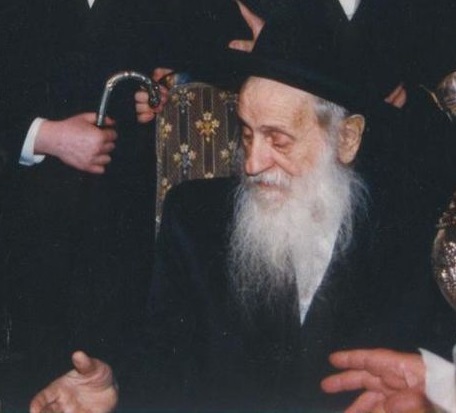
Moshe (Moses) Teitelbaum (Yiddish: משה טײטלבױם; November 17, 1914 – April 24, 2006) was a Hasidic rebbe and the world leader of the Satmar Hasidim.
Moshe Teitelbaum was born on November 17, 1914, in Újfehértó, Hungary. He was the second son of Rabbi Chaim Tzvi Teitelbaum, author of Atzei Chaim, the previous Sigheter Rebbe. His mother, Bracha Sima, hailed from the prominent Halbershtam family. Moshe and his older brother, Yekusiel Yehuda Teitelbaum, were orphaned in 1926, when they were eleven and fourteen, respectively. Moshe was raised by family friends and relatives, including his uncle, Joel Teitelbaum, and his grandfather, Rabbi Shulem Eliezer Halberstam of Ratzfert.
Teitelbaum received rabbinical ordination, and was appointed dean of the Karacscka yeshiva. In 1936, Teitelbaum married Leah Meir, daughter of Rabbi Hanoch Heinoch Meir of Karecska. In 1939, he became the rabbi of Senta, Yugoslavia (now Serbia).
In late spring 1944, the Hungarian government, assisted by Nazi forces led by Adolf Eichmann, began deporting Jews en-masse. Teitelbaum and his wife Leah were sent to the Auschwitz concentration camp, where his wife and three children were murdered, and he nearly died. Teitelbaum was then transferred to the Brabag plant in Tröglitz, and afterwards to Theresienstadt, where he was liberated in 1945.
In 1946, Teitelbaum married Pessel Leah, the daughter of Rabbi Aaron Teitelbaum of Volovo. Pessel Leah's entire family was killed in the Auschwitz concentration camp.
The couple initially moved back to Senta, where Teitelbaum led a congregation before the war. When he found out that his brother Yekusiel Yehuda Teitelbaum had been murdered in the Holocaust, he decided to fill his brother's position as rabbi of Sighet. Soon thereafter, they were forced to flee Communist persecution, leaving for Prague and then setting sail for New York City, where they arrived in fall 1947. There, Teitelbaum became known as the Sigheter Rebbe, leading Sighet Chassidus, previously led by his ancestors. He initially established a beth midrash, Atzei Chaim Siget, in Williamsburg, Brooklyn, and later moved to Borough Park, Brooklyn, in 1966.
In 1979, Moshe's uncle Joel died, without an heir to inherit leadership of Satmar. The most logical successor was his nephew Moshe, then at the aged 66. He was considered intelligent, a scholar, and a good speaker. There was some uneasiness about appointing Moshe, because in the years prior, he had limited contact with Satmar, led his own Hasidic group, and did not necessarily have the same absolutist outlook, level of scholarship, or intense piety, as his late uncle. Nevertheless, it was understood that the community was better off with a leader, and having Moshe as the Rebbe was the best for the community under the given circumstances. The Satmar Council of Elders was a thirteen-member lay-person body elected by Satmar Hasidim. The Council unanimously decided on Moshe as their next Rebbe. Moshe could have turned down the appointment and remained as leader of his small Sighet sect, but leadership of Satmar promised far more power and prestige. The Council and Moshe then negotiated and planned the details on Moshe's official appointment. A few weeks later, on one day's notice, a general meeting in the main Rodney Street synagogue was announced. At the meeting, in which Moshe was not present, Sender Deutsch, leader of the Council, announced the appointment of Moshe as the new rebbe of Satmar.
Moshe refused to be accepted as the new rebbe within the first year of Joel's death. This was done as a sign of bereavement over his uncle, who helped raise him when his father died, and to allow the Satmar community to mourn and adjust to the transition. Moshe continued to live in Borough Park and lead his Sighet community.
Hub AI
Moshe Teitelbaum (Satmar) AI simulator
(@Moshe Teitelbaum (Satmar)_simulator)
Moshe Teitelbaum (Satmar)
Moshe (Moses) Teitelbaum (Yiddish: משה טײטלבױם; November 17, 1914 – April 24, 2006) was a Hasidic rebbe and the world leader of the Satmar Hasidim.
Moshe Teitelbaum was born on November 17, 1914, in Újfehértó, Hungary. He was the second son of Rabbi Chaim Tzvi Teitelbaum, author of Atzei Chaim, the previous Sigheter Rebbe. His mother, Bracha Sima, hailed from the prominent Halbershtam family. Moshe and his older brother, Yekusiel Yehuda Teitelbaum, were orphaned in 1926, when they were eleven and fourteen, respectively. Moshe was raised by family friends and relatives, including his uncle, Joel Teitelbaum, and his grandfather, Rabbi Shulem Eliezer Halberstam of Ratzfert.
Teitelbaum received rabbinical ordination, and was appointed dean of the Karacscka yeshiva. In 1936, Teitelbaum married Leah Meir, daughter of Rabbi Hanoch Heinoch Meir of Karecska. In 1939, he became the rabbi of Senta, Yugoslavia (now Serbia).
In late spring 1944, the Hungarian government, assisted by Nazi forces led by Adolf Eichmann, began deporting Jews en-masse. Teitelbaum and his wife Leah were sent to the Auschwitz concentration camp, where his wife and three children were murdered, and he nearly died. Teitelbaum was then transferred to the Brabag plant in Tröglitz, and afterwards to Theresienstadt, where he was liberated in 1945.
In 1946, Teitelbaum married Pessel Leah, the daughter of Rabbi Aaron Teitelbaum of Volovo. Pessel Leah's entire family was killed in the Auschwitz concentration camp.
The couple initially moved back to Senta, where Teitelbaum led a congregation before the war. When he found out that his brother Yekusiel Yehuda Teitelbaum had been murdered in the Holocaust, he decided to fill his brother's position as rabbi of Sighet. Soon thereafter, they were forced to flee Communist persecution, leaving for Prague and then setting sail for New York City, where they arrived in fall 1947. There, Teitelbaum became known as the Sigheter Rebbe, leading Sighet Chassidus, previously led by his ancestors. He initially established a beth midrash, Atzei Chaim Siget, in Williamsburg, Brooklyn, and later moved to Borough Park, Brooklyn, in 1966.
In 1979, Moshe's uncle Joel died, without an heir to inherit leadership of Satmar. The most logical successor was his nephew Moshe, then at the aged 66. He was considered intelligent, a scholar, and a good speaker. There was some uneasiness about appointing Moshe, because in the years prior, he had limited contact with Satmar, led his own Hasidic group, and did not necessarily have the same absolutist outlook, level of scholarship, or intense piety, as his late uncle. Nevertheless, it was understood that the community was better off with a leader, and having Moshe as the Rebbe was the best for the community under the given circumstances. The Satmar Council of Elders was a thirteen-member lay-person body elected by Satmar Hasidim. The Council unanimously decided on Moshe as their next Rebbe. Moshe could have turned down the appointment and remained as leader of his small Sighet sect, but leadership of Satmar promised far more power and prestige. The Council and Moshe then negotiated and planned the details on Moshe's official appointment. A few weeks later, on one day's notice, a general meeting in the main Rodney Street synagogue was announced. At the meeting, in which Moshe was not present, Sender Deutsch, leader of the Council, announced the appointment of Moshe as the new rebbe of Satmar.
Moshe refused to be accepted as the new rebbe within the first year of Joel's death. This was done as a sign of bereavement over his uncle, who helped raise him when his father died, and to allow the Satmar community to mourn and adjust to the transition. Moshe continued to live in Borough Park and lead his Sighet community.