
Recent from talks
Murder of Jane Britton
Knowledge base stats:
Talk channels stats:
Members stats:
Murder of Jane Britton
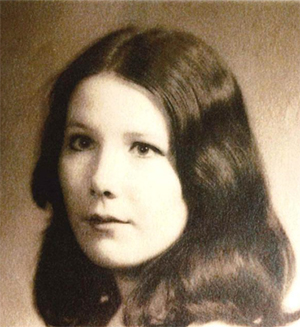
On January 7, 1969, at 12:30 a.m, 23‑year‑old Jane Britton, a graduate student in Near Eastern archaeology at Harvard University, left a neighbor's apartment in Cambridge, Massachusetts, United States, to return to her own. The next day, after she had failed to answer her phone and missed an important exam, her boyfriend went to the apartment and found her dead. The cause of death was found to be blunt force trauma from a blow to the head; she had been raped as well.
The crime attracted national media attention, as Britton's father was an administrator at Radcliffe College, and several factors led to a presumption that Britton's killer had been an acquaintance, perhaps a fellow student or faculty member of Harvard's anthropology department. Her body had been sprinkled with red ochre powder, used in many ancient funerals of multiple civilizations. No valuables had been taken from the apartment, nor had any of her neighbors heard any screams or other unusual noises (although later some were reported).
Investigators were unable to find any likely suspects among the anthropology department. Albert DeSalvo reportedly confessed to raping and murdering another woman who had lived in the same building in 1963, following his arrest as the Boston Strangler several years earlier, but doubts remained as to whether he had committed all the murders linked to the case. Some also considered that there might have been a second Boston Strangler, leading to speculation that, if there was, he might have killed Britton as well. The case went cold but continued to fascinate the media and true crime enthusiasts on the Internet, some of whom fought to have records made public from the investigation in the hope of resolving the case.
Cambridge police and the Middlesex County district attorney's office announced in November 2018, two months before the crime's 50th anniversary, that they had identified a suspect in the case through DNA: Michael Sumpter, who had died in 2001 after being paroled into hospice care from a prison sentence that he was serving for a 1975 rape. It is the oldest cold case that Middlesex County law enforcement has ever solved. The DNA evidence has also linked Sumpter to several other unsolved rapes and murders in the Boston area.
Jane Britton was born May 17, 1945, the daughter of J. Boyd Britton, administrative vice president of Radcliffe College in Cambridge, a selective women's college that shared ties with Harvard and enjoyed a similar reputation, one of the Seven Sisters. Her mother, Ruth, was a visiting scholar in medieval history at the Radcliffe Institute for Advanced Study. The family lived in Needham, another Boston suburb.
Britton attended the Dana Hall School, a private school in Wellesley. In addition to her academic studies, she learned to ride horses, play the piano and organ, and paint. She went to Radcliffe herself, where she majored in anthropology, writing her senior thesis on comparative methodologies in studying one of the Périgordian cultures in a week. After graduating magna cum laude in 1967, she was accepted into Harvard's graduate program in the field.
Britton was particularly interested in Near Eastern archaeology. In mid-1968, she was one of several doctoral candidates who accompanied department chair Stephen Williams and project leader C. C. Lamberg-Karlovsky to a dig in southeastern Iran, where they found what Lamberg-Karlovsky believed to be the ruins of Alexandria Carmania, a fortress taken in 325 BCE by Alexander the Great, at the Tepe Yahya mound. Lamberg-Karlovsky later credited Britton with one of the dig's important finds.
Britton lived in a fourth-floor apartment at 6 University Road, a Harvard-owned building two blocks from Harvard Square. When studying, Britton did most of her work at the university's Peabody Museum of Archaeology and Ethnology. Outside of her studies, she painted pictures of animals in her apartment, where she kept a turtle and cat as pets. She also socialized, primarily with fellow students in her department. One of them, James Humphries, had become her boyfriend; she also frequently dined with fellow anthropology graduate students Donald and Jill Mitchell. They lived in the apartment next to hers and she had played the organ at their wedding ceremony.
Hub AI
Murder of Jane Britton AI simulator
(@Murder of Jane Britton_simulator)
Murder of Jane Britton
On January 7, 1969, at 12:30 a.m, 23‑year‑old Jane Britton, a graduate student in Near Eastern archaeology at Harvard University, left a neighbor's apartment in Cambridge, Massachusetts, United States, to return to her own. The next day, after she had failed to answer her phone and missed an important exam, her boyfriend went to the apartment and found her dead. The cause of death was found to be blunt force trauma from a blow to the head; she had been raped as well.
The crime attracted national media attention, as Britton's father was an administrator at Radcliffe College, and several factors led to a presumption that Britton's killer had been an acquaintance, perhaps a fellow student or faculty member of Harvard's anthropology department. Her body had been sprinkled with red ochre powder, used in many ancient funerals of multiple civilizations. No valuables had been taken from the apartment, nor had any of her neighbors heard any screams or other unusual noises (although later some were reported).
Investigators were unable to find any likely suspects among the anthropology department. Albert DeSalvo reportedly confessed to raping and murdering another woman who had lived in the same building in 1963, following his arrest as the Boston Strangler several years earlier, but doubts remained as to whether he had committed all the murders linked to the case. Some also considered that there might have been a second Boston Strangler, leading to speculation that, if there was, he might have killed Britton as well. The case went cold but continued to fascinate the media and true crime enthusiasts on the Internet, some of whom fought to have records made public from the investigation in the hope of resolving the case.
Cambridge police and the Middlesex County district attorney's office announced in November 2018, two months before the crime's 50th anniversary, that they had identified a suspect in the case through DNA: Michael Sumpter, who had died in 2001 after being paroled into hospice care from a prison sentence that he was serving for a 1975 rape. It is the oldest cold case that Middlesex County law enforcement has ever solved. The DNA evidence has also linked Sumpter to several other unsolved rapes and murders in the Boston area.
Jane Britton was born May 17, 1945, the daughter of J. Boyd Britton, administrative vice president of Radcliffe College in Cambridge, a selective women's college that shared ties with Harvard and enjoyed a similar reputation, one of the Seven Sisters. Her mother, Ruth, was a visiting scholar in medieval history at the Radcliffe Institute for Advanced Study. The family lived in Needham, another Boston suburb.
Britton attended the Dana Hall School, a private school in Wellesley. In addition to her academic studies, she learned to ride horses, play the piano and organ, and paint. She went to Radcliffe herself, where she majored in anthropology, writing her senior thesis on comparative methodologies in studying one of the Périgordian cultures in a week. After graduating magna cum laude in 1967, she was accepted into Harvard's graduate program in the field.
Britton was particularly interested in Near Eastern archaeology. In mid-1968, she was one of several doctoral candidates who accompanied department chair Stephen Williams and project leader C. C. Lamberg-Karlovsky to a dig in southeastern Iran, where they found what Lamberg-Karlovsky believed to be the ruins of Alexandria Carmania, a fortress taken in 325 BCE by Alexander the Great, at the Tepe Yahya mound. Lamberg-Karlovsky later credited Britton with one of the dig's important finds.
Britton lived in a fourth-floor apartment at 6 University Road, a Harvard-owned building two blocks from Harvard Square. When studying, Britton did most of her work at the university's Peabody Museum of Archaeology and Ethnology. Outside of her studies, she painted pictures of animals in her apartment, where she kept a turtle and cat as pets. She also socialized, primarily with fellow students in her department. One of them, James Humphries, had become her boyfriend; she also frequently dined with fellow anthropology graduate students Donald and Jill Mitchell. They lived in the apartment next to hers and she had played the organ at their wedding ceremony.
Recent media