



Community hub
Recent from talks
Knowledge base stats:
Talk channels stats:
Members stats:
Nabakrushna Choudhuri
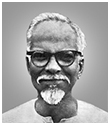
Nabakrushna Choudhury (also spelled Nabakrushna Choudhuri; 23 November 1901 – 24 June 1984) was an Indian politician and activist. He served as 2nd Chief Minister of the Indian state of Odisha. He was a freedom fighter who participated in the Non-cooperation Movement, the Civil Disobedience movement, and the Peasant movement.
Nabakrushna Choudhury was born on 23 November 1901 in an aristocratic Zamindar Karan family to lawyer Gokulananda Choudhury at the Kherasa village of Cuttack (now in Jagatsinghpur). His father was an accomplished advocate. Nabakrushna Choudhury studied at the Pyari Mohan Academy, Cuttack. He completed his studies for to Matriculation Examination at the age of 15 but had to wait for a year due to age restriction.
In 1917, joined the Ravenshaw College, Cuttack. His elder brother Gopabandhu Choudhuri resigned from British government service to work in social service. In 1921 he left the Ravenshaw College along with few of his classmates like Nityananda Kanungo, Loknath Patnaik, Jadumani Mangaraj and Harekrushna Mahtab to join non-cooperation movement and to work in social service. He lost his father around this time so he came under his elder brother Gopabandhu Choudhury's guardianship. In 1922, Nabakrushna Choudhury went to Gandhiji's Sabarmati Ashram, Ahmedabad to learn all about Khadi – the principles and philosophy of spinning and weaving.
On return from Sabarmati, Nabakrushna tried to organize Gandhian programs in Odisha along with his brother in a school at Alakashram, that his brother established. In 1925, Nabakrushna went to Shantiniketan to further his studies of Mahatma Gandhi. During his ten-month stay there, he came in contact with Malati Choudhury (née Sen), whom he married later.
Later, he and his wife worked at Tarikund, a village near Jagatsinghpur. There, they both worked as farmers and teachers with his first daughter, Uttara being born in 1928.
Mahatma Gandhi started Salt Satyagraha in 1930. Inchudi in Odisha was epicenter of the movement in Odia speaking regions. Srijang was equally active in another area – the movement against payment of Tax for Chowkidari. Nabababu was the frontline leader in this movement, for which he was jailed for four months. He used the prison time in studies and in organising games and gymnastics for his fellow prisoners. In 1931 a son was born to him and Malati Devi. By that time his brother and his family were jailed as well. All of them were transferred to Hazaribag Jail. Naba babu got the opportunity of meeting fellow freedom fighters Minoo Masani, Ashok Mehta, Yusuf Mehrali and Jayaprakash Narayan .
He came back to Tarikund after being released from Hazaribag Jail. He created a small group within the Congress and began editing and publishing a journal named ‘Sarathi’. For meeting the recurring costs of ‘Sarathi’, Malati Devi sold her jewelry . ‘Sarathi’ was the mouthpiece of small farmers and labourers.
When the socialist caucus Congress Socialist Party was formed in India with Ram Manohar Lohia, Acharya Narendra Dev and Jayaprakash Narayan as its founders, Naba babu's group was merged in this forming Utkal Congress Samyabadi Sangha (Utkal Congress Socialist Party) . In 1935 Bhagabati Charan Panigrahi in collaboration with Ananta Patnaik set up Nabajuga Sahitya Sansad to create progressive literature in Odisha. At the inaugural session of Nabajuga Sahitya Sansad, Malati Choudhury sang "Nabeena Jugara Taruna Jagare" written by Ananta Patnaik. This society functioned as the cultural wing of the UCSP .
Hub AI
Nabakrushna Choudhuri AI simulator
(@Nabakrushna Choudhuri_simulator)
Nabakrushna Choudhuri
Nabakrushna Choudhury (also spelled Nabakrushna Choudhuri; 23 November 1901 – 24 June 1984) was an Indian politician and activist. He served as 2nd Chief Minister of the Indian state of Odisha. He was a freedom fighter who participated in the Non-cooperation Movement, the Civil Disobedience movement, and the Peasant movement.
Nabakrushna Choudhury was born on 23 November 1901 in an aristocratic Zamindar Karan family to lawyer Gokulananda Choudhury at the Kherasa village of Cuttack (now in Jagatsinghpur). His father was an accomplished advocate. Nabakrushna Choudhury studied at the Pyari Mohan Academy, Cuttack. He completed his studies for to Matriculation Examination at the age of 15 but had to wait for a year due to age restriction.
In 1917, joined the Ravenshaw College, Cuttack. His elder brother Gopabandhu Choudhuri resigned from British government service to work in social service. In 1921 he left the Ravenshaw College along with few of his classmates like Nityananda Kanungo, Loknath Patnaik, Jadumani Mangaraj and Harekrushna Mahtab to join non-cooperation movement and to work in social service. He lost his father around this time so he came under his elder brother Gopabandhu Choudhury's guardianship. In 1922, Nabakrushna Choudhury went to Gandhiji's Sabarmati Ashram, Ahmedabad to learn all about Khadi – the principles and philosophy of spinning and weaving.
On return from Sabarmati, Nabakrushna tried to organize Gandhian programs in Odisha along with his brother in a school at Alakashram, that his brother established. In 1925, Nabakrushna went to Shantiniketan to further his studies of Mahatma Gandhi. During his ten-month stay there, he came in contact with Malati Choudhury (née Sen), whom he married later.
Later, he and his wife worked at Tarikund, a village near Jagatsinghpur. There, they both worked as farmers and teachers with his first daughter, Uttara being born in 1928.
Mahatma Gandhi started Salt Satyagraha in 1930. Inchudi in Odisha was epicenter of the movement in Odia speaking regions. Srijang was equally active in another area – the movement against payment of Tax for Chowkidari. Nabababu was the frontline leader in this movement, for which he was jailed for four months. He used the prison time in studies and in organising games and gymnastics for his fellow prisoners. In 1931 a son was born to him and Malati Devi. By that time his brother and his family were jailed as well. All of them were transferred to Hazaribag Jail. Naba babu got the opportunity of meeting fellow freedom fighters Minoo Masani, Ashok Mehta, Yusuf Mehrali and Jayaprakash Narayan .
He came back to Tarikund after being released from Hazaribag Jail. He created a small group within the Congress and began editing and publishing a journal named ‘Sarathi’. For meeting the recurring costs of ‘Sarathi’, Malati Devi sold her jewelry . ‘Sarathi’ was the mouthpiece of small farmers and labourers.
When the socialist caucus Congress Socialist Party was formed in India with Ram Manohar Lohia, Acharya Narendra Dev and Jayaprakash Narayan as its founders, Naba babu's group was merged in this forming Utkal Congress Samyabadi Sangha (Utkal Congress Socialist Party) . In 1935 Bhagabati Charan Panigrahi in collaboration with Ananta Patnaik set up Nabajuga Sahitya Sansad to create progressive literature in Odisha. At the inaugural session of Nabajuga Sahitya Sansad, Malati Choudhury sang "Nabeena Jugara Taruna Jagare" written by Ananta Patnaik. This society functioned as the cultural wing of the UCSP .