
Recent from talks
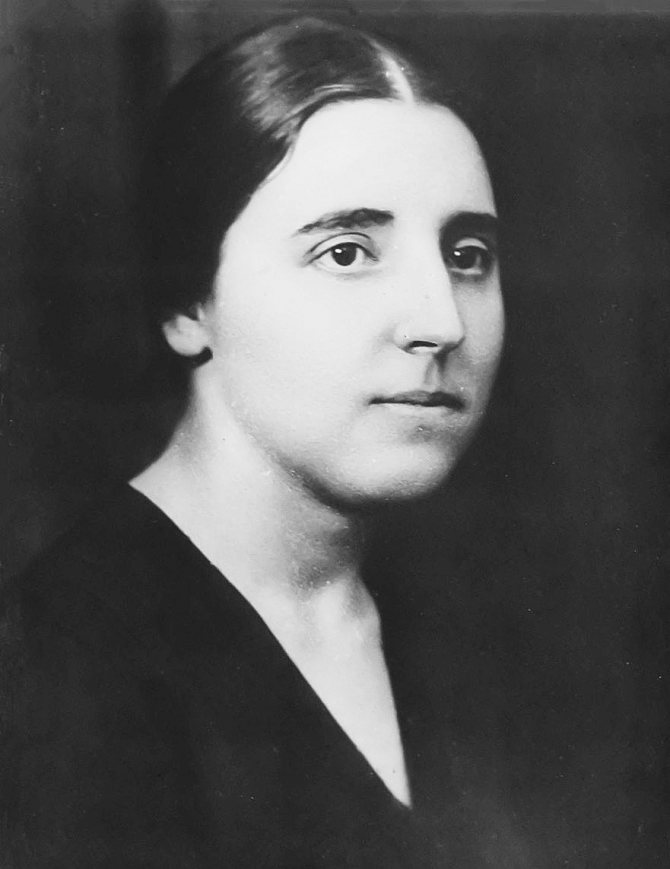
Nadezhda Alliluyeva
Knowledge base stats:
Talk channels stats:
Members stats:
Nadezhda Alliluyeva
Nadezhda Sergeyevna Alliluyeva (Russian: Надежда Сергеевна Аллилуева; 22 September [O.S. 9 September] 1901 – 9 November 1932) was the second wife of Joseph Stalin. She was born in Baku to a friend of Stalin, a fellow revolutionary, and was raised in Saint Petersburg. Having known Stalin from a young age, they married when she was 18, and had two children. Alliluyeva worked as a secretary for Bolshevik leaders, including Vladimir Lenin and Stalin, before enrolling at the Industrial Academy in Moscow to study synthetic fibres and become an engineer. She had health issues, which had an adverse impact on her relationship with Stalin. She also suspected he was unfaithful, which led to frequent arguments with him. On several occasions, Alliluyeva reportedly contemplated leaving Stalin, and after an argument, she fatally shot herself early in the morning of 9 November 1932.
Alliluyeva's father, Sergei Alliluyev, was from a peasant family in Voronezh Oblast (modern southwest Russia). He moved to the Caucasus, where he worked as an electrician for the rail depot and first became familiar with working conditions in the Russian Empire. Sergei's paternal grandmother was Romani, a fact to which his granddaughter, Svetlana, attributed the "southern, somewhat exotic features" and "black eyes" that characterized the Alliluyevs. Sergei joined the Russian Social Democratic Labour Party (RSDLP) in 1898, and became an active member in workers' study circles; it was through these meetings he met Mikhail Kalinin, one of the chief organizers of the party in the Caucasus. Sergei had been arrested and exiled to Siberia, but by 1902 he had returned to the Caucasus. In 1904, he met Ioseb Jughashvili (later known as Joseph Stalin) while helping to move a printing machine from Baku to Tiflis. Her godfather was Avel Yenukidze who was a Georgian "Old Bolshevik" and associate of Stalin.
Alliluyeva's mother, Olga Fedotenko, was the youngest of nine children of Evgeni Fedotenko and Magdalena Eicholz. Alliluyeva's daughter Svetlana wrote in her memoir that Evgeni had Ukrainian ancestry on his father's side, his mother was Georgian, and he grew up speaking Georgian at home. Magdalena came from a family of German settlers, and spoke German and Georgian at home. Olga's father initially wanted her to marry one of his friend's sons, but she refused to accept the arrangements and left home at 14 to live with Sergei, joining him in Tiflis.
Nadezhda Alliluyeva, born in Baku on 22 September 1901, was the youngest of four children, following Anna, Fyodor, and Pavel. The family moved to Moscow in 1904, but had returned to Baku by 1906. In 1907, to avoid arrest, Sergei moved the family to Saint Petersburg, where they would remain. The family would often help hide members of the Bolsheviks, a Russian revolutionary group, at their home, including Stalin. Sergei Aliluyev worked at an electricity station, and by 1911 was named head of a sector there, allowing the family to afford a comfortable lifestyle.
Exposed to revolutionary activity throughout her youth, Alliluyeva first became a supporter of the Bolsheviks while in school. Her family frequently hosted party members at their home, including hiding Vladimir Lenin during the July Days of 1917, which further strengthened Alliluyeva's views. After Lenin escaped Russia in August 1917, Stalin arrived. He had known Alliluyeva since she was a child, reportedly having saved her from drowning when they were both in Baku. It had been many years since they had last seen each other, and over the rest of the summer they became close. The couple married in February or March 1919. Stalin was a 40-year-old widower and father of one son (Yakov), born in 1907 to Stalin's first wife, Kato Svanidze, who died of typhus later that year. There was no ceremony for the marriage, as Bolsheviks frowned upon religious customs.
The Bolsheviks took power in Russia in November 1917 (O.S. October 1917), which led to the Russian Civil War. In 1918, Alliluyeva and Stalin moved to Moscow, joining other Bolshevik leaders as the capital was transferred there from Petrograd. They took up residence in the Amusement Palace of the Kremlin, occupying separate rooms. Stalin made Alliluyeva a secretary at the People's Commissariat for Nationalities, where he served as the head, and in May brought her and her brother Fyodor with him to Tsaritsyn, where the Bolsheviks were fighting the White Army as part of the Russian Civil War. Alliluyeva did not stay long there and returned to Moscow, though Stalin's involvement in the Civil War meant he was rarely at home. By 1921 the Civil War had ended, and in 1922 the Soviet Union was established, Lenin taking the leading role.
Not wanting to be dependent on Stalin, Alliluyeva transferred positions and joined Lenin's secretariat under Lydia Fotieva. This allegedly annoyed Stalin, who wanted his wife to quit her job and remain at home. Alliluyeva was comfortable working for Lenin and his wife Nadezhda Krupskaya, also a Bolshevik functionary, as they were more lenient about her work than Stalin: for example, Lenin knew that Alliluyeva had left school at a young age and consequently forgave her for spelling errors.
In 1921, a few months after the birth of their first child, Vasily, Alliluyeva was expelled from the Bolshevik Party; according to historian Oleg Khlevniuk she had trouble managing family life, professional work, and party work, and was considered "ballast with no interest in the life of the party whatsoever". Although she was admitted back through the intercession of top party officials, including Lenin, her full status was not restored until 1924. Alliluyeva was concerned that if she did not work outside the home, she would not be taken seriously. She also desired to be qualified for any role she took up. After working in Lenin's office, Alliluyeva transferred to briefly work for Sergo Ordzhonikidze, a close friend of Stalin's and a fellow senior Bolshevik, and then on to the International Agrarian Institute in the Department of Agitation and Propaganda as an assistant.
Hub AI
Nadezhda Alliluyeva AI simulator
(@Nadezhda Alliluyeva_simulator)
Nadezhda Alliluyeva
Nadezhda Sergeyevna Alliluyeva (Russian: Надежда Сергеевна Аллилуева; 22 September [O.S. 9 September] 1901 – 9 November 1932) was the second wife of Joseph Stalin. She was born in Baku to a friend of Stalin, a fellow revolutionary, and was raised in Saint Petersburg. Having known Stalin from a young age, they married when she was 18, and had two children. Alliluyeva worked as a secretary for Bolshevik leaders, including Vladimir Lenin and Stalin, before enrolling at the Industrial Academy in Moscow to study synthetic fibres and become an engineer. She had health issues, which had an adverse impact on her relationship with Stalin. She also suspected he was unfaithful, which led to frequent arguments with him. On several occasions, Alliluyeva reportedly contemplated leaving Stalin, and after an argument, she fatally shot herself early in the morning of 9 November 1932.
Alliluyeva's father, Sergei Alliluyev, was from a peasant family in Voronezh Oblast (modern southwest Russia). He moved to the Caucasus, where he worked as an electrician for the rail depot and first became familiar with working conditions in the Russian Empire. Sergei's paternal grandmother was Romani, a fact to which his granddaughter, Svetlana, attributed the "southern, somewhat exotic features" and "black eyes" that characterized the Alliluyevs. Sergei joined the Russian Social Democratic Labour Party (RSDLP) in 1898, and became an active member in workers' study circles; it was through these meetings he met Mikhail Kalinin, one of the chief organizers of the party in the Caucasus. Sergei had been arrested and exiled to Siberia, but by 1902 he had returned to the Caucasus. In 1904, he met Ioseb Jughashvili (later known as Joseph Stalin) while helping to move a printing machine from Baku to Tiflis. Her godfather was Avel Yenukidze who was a Georgian "Old Bolshevik" and associate of Stalin.
Alliluyeva's mother, Olga Fedotenko, was the youngest of nine children of Evgeni Fedotenko and Magdalena Eicholz. Alliluyeva's daughter Svetlana wrote in her memoir that Evgeni had Ukrainian ancestry on his father's side, his mother was Georgian, and he grew up speaking Georgian at home. Magdalena came from a family of German settlers, and spoke German and Georgian at home. Olga's father initially wanted her to marry one of his friend's sons, but she refused to accept the arrangements and left home at 14 to live with Sergei, joining him in Tiflis.
Nadezhda Alliluyeva, born in Baku on 22 September 1901, was the youngest of four children, following Anna, Fyodor, and Pavel. The family moved to Moscow in 1904, but had returned to Baku by 1906. In 1907, to avoid arrest, Sergei moved the family to Saint Petersburg, where they would remain. The family would often help hide members of the Bolsheviks, a Russian revolutionary group, at their home, including Stalin. Sergei Aliluyev worked at an electricity station, and by 1911 was named head of a sector there, allowing the family to afford a comfortable lifestyle.
Exposed to revolutionary activity throughout her youth, Alliluyeva first became a supporter of the Bolsheviks while in school. Her family frequently hosted party members at their home, including hiding Vladimir Lenin during the July Days of 1917, which further strengthened Alliluyeva's views. After Lenin escaped Russia in August 1917, Stalin arrived. He had known Alliluyeva since she was a child, reportedly having saved her from drowning when they were both in Baku. It had been many years since they had last seen each other, and over the rest of the summer they became close. The couple married in February or March 1919. Stalin was a 40-year-old widower and father of one son (Yakov), born in 1907 to Stalin's first wife, Kato Svanidze, who died of typhus later that year. There was no ceremony for the marriage, as Bolsheviks frowned upon religious customs.
The Bolsheviks took power in Russia in November 1917 (O.S. October 1917), which led to the Russian Civil War. In 1918, Alliluyeva and Stalin moved to Moscow, joining other Bolshevik leaders as the capital was transferred there from Petrograd. They took up residence in the Amusement Palace of the Kremlin, occupying separate rooms. Stalin made Alliluyeva a secretary at the People's Commissariat for Nationalities, where he served as the head, and in May brought her and her brother Fyodor with him to Tsaritsyn, where the Bolsheviks were fighting the White Army as part of the Russian Civil War. Alliluyeva did not stay long there and returned to Moscow, though Stalin's involvement in the Civil War meant he was rarely at home. By 1921 the Civil War had ended, and in 1922 the Soviet Union was established, Lenin taking the leading role.
Not wanting to be dependent on Stalin, Alliluyeva transferred positions and joined Lenin's secretariat under Lydia Fotieva. This allegedly annoyed Stalin, who wanted his wife to quit her job and remain at home. Alliluyeva was comfortable working for Lenin and his wife Nadezhda Krupskaya, also a Bolshevik functionary, as they were more lenient about her work than Stalin: for example, Lenin knew that Alliluyeva had left school at a young age and consequently forgave her for spelling errors.
In 1921, a few months after the birth of their first child, Vasily, Alliluyeva was expelled from the Bolshevik Party; according to historian Oleg Khlevniuk she had trouble managing family life, professional work, and party work, and was considered "ballast with no interest in the life of the party whatsoever". Although she was admitted back through the intercession of top party officials, including Lenin, her full status was not restored until 1924. Alliluyeva was concerned that if she did not work outside the home, she would not be taken seriously. She also desired to be qualified for any role she took up. After working in Lenin's office, Alliluyeva transferred to briefly work for Sergo Ordzhonikidze, a close friend of Stalin's and a fellow senior Bolshevik, and then on to the International Agrarian Institute in the Department of Agitation and Propaganda as an assistant.
Recent media