
Recent from talks
Najahid dynasty
Knowledge base stats:
Talk channels stats:
Members stats:
Najahid dynasty
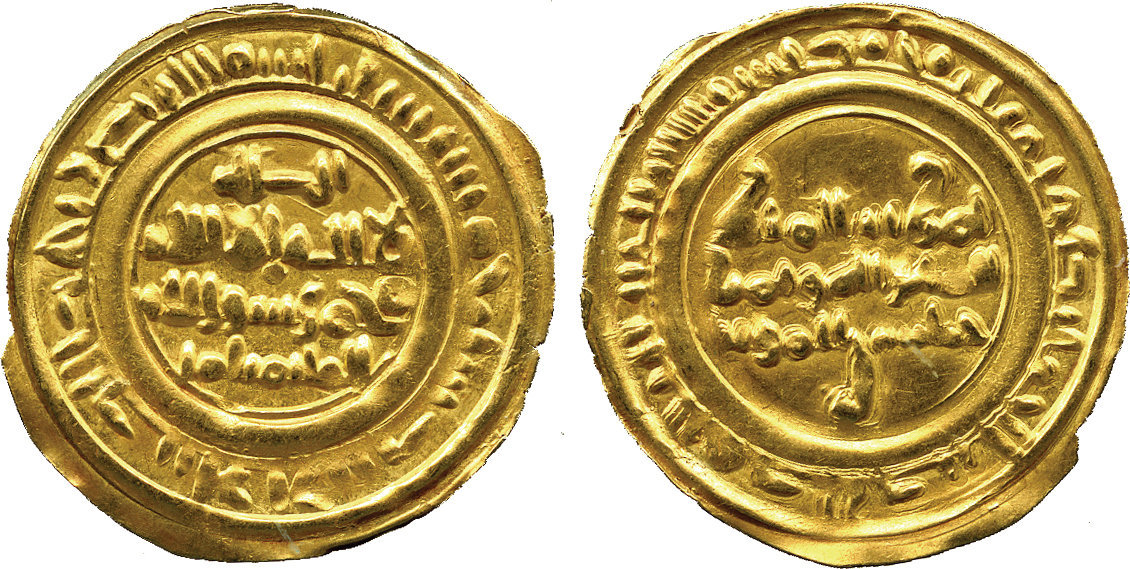
The Najahid dynasty (Arabic: بنو نجاح; Banū Najāḥ) was a Sunni Muslim dynasty of Abyssinian Mamluks that ruled parts of Yemen from 1022-1158 from its capital at Zabīd. Najah would obtain the recognition of the Abbasid Caliph al-Qadir and would be given the honorific title 'al- Mu'ayyad Nasr al-din'. They faced hostilities from the Shia Ismailis Sulayhids who were loyal to the Fatimids. Their last sovereign was killed by Ali ibn Mahdi the Kharijite in 1158.
In Yemen, despite its proximity to the African mainland, enslaved soldiers hailed from diverse origins. The presence of military slaves in the region dates back to the 1st millennium and persisted into the early modern era. At its zenith, the Himyarite Kingdom exerted significant influence over large portion of the Arabian Peninsula through its subordinate, the Kinda tribe, who acted as auxiliaries. Initially, soldiers from Abyssinia formed the majority of these military slaves during the Ziyadid era (818-1018). However, they were largely replaced by Turkish and Circassian slaves during the Ayyubid (1171–1260), Rasulid (1229–1454), and Tahirid (1454–1517) dynasties. The dynasty was established by Najah, one of the many Abyssinians recruited to serve the Ziyadid dynasty, however whether he was born in Yemen or brought over from Abyssinia is not clear. According to Umarah, Najah belonged to the Abyssinian tribe of "Jazali". This tribe seems to have furnished the dynasty. In a short list of Abyssinian tribes the Syrian geographer Al-Dimashqi also has 'the Djazl who are renowned for their beautiful physique'. Dimashqi's "Djazl" might correspond to Umarah's "Jazali," which is otherwise unidentifiable. Nevertheless, some tribes listed are identifiable. Umarah states that the vizier Muflih hailed from the tribe of "Sahrat." The most renowned ruler, Surur, Umarah says "He of whom I speak was the noble Kaid Abu Muhammad Surur al-Fatiki. He belonged to the tribe of Amhara, and all I can relate of him is but as a drop in the sea of his great merits" Umarah concluded about them, saying, "No Arab king surpassed them in personal merit or in aught but nobility of lineage. They were noted for their generosity, for their brilliant estate (architecture), and for combining renown in war with celebrated achievements in times of peace."
The last Ziyadid king died in 1018, leaving a child behind. The guardianship of the child was eventually assumed by a Nubian slave named Hussein ibn Salama. Husayn ibn Salamah saved the Ziyadid Dynasty from total collapse after a devastating attack by the Yu'firids. Prior to the ascendance of Najahids, the south-western coast of Yemen and Saudi Arabia (Tihama) was dominated by two competing kingdoms since the 9th century; the Yufirids in the city of Sana, and the Ziyadids in the city of Zabid. Husayn recovered the original limits of the Ziyadid kingdom. Husayn ibn Salamah is renowned for his construction work on Zabid. Husayn was then succeeded as vizier by a slave named Marjan, who entrusted the regency to his Abyssinian administers Nafis and Najah, but the former conspired with Marjan to kill the boy-king and assume the title of Sultan. Nafis was of a tyrannical disposition and was dreaded by the people, whilst Najah was merciful, righteous, and beloved. Nafis would end up killing the child king and the princess. The murdered king was the last of his dynasty, with him Banu Ziyad came to an end. Najah, on hearing of the treatment of the king and the princess summoned his neighbors to his assistance, Arabs and non-Arabs. He marched upon Zabid and would eventually kill Nafis and Marjan. Najah prayed over the dead body of the King and the princess and erected a mausoleum over their place of burial. Najah would obtain the recognition of the Abbasid Caliph al-Qadir and would be given the honorific title 'al-Mu'yyadd Nasr al-din' and struck coinage in his own name. He continued to rule over Tihamah, and to exercise control over most of the people of the Highlands, and he was styled King, both in the Khutbah and in official documents, with the title of Our Lord. He had several children, among whom were Said, Jayyash, Mu'arik, adh-Dhakhirah and Mansur.
While Najah held sway over the coastal areas in southwest Yemen, his dominance on the mainland faced opposition due to the emergence of the Sulayhids, a Shia Ismail dynasty loyal to the Fatimid Caliphate, led by their founder Ali al-Sulayhi. Al-Sulayhi seized control of Sana from the Yufirids, and started directly challenging Najah's rule. According to Umara al-Yamani, he lived in dread of Najah but sought to win his favor, assuming a humble demeanor, but never desisting in his efforts against him, until he succeeded in bringing about his death. This was achieved through the act of sending him a beautiful slave-girl as a gift, who poisoned him. After Najah's death, Sulayhi captured Zabid and forced Najah's children to flee to Dahlak. Out of the children of Najah, Sa'id al-Ahwal and Jayyash were the most effective. Mu'arik, the eldest of the family, in an access of folly committed suicide, and Dhakhirah, she had barely attained the age of puberty. Sa'id departed from Dahlak and concealed himself in Zabid at the house of a man named Rais Mula'ib the Khaulanite. He wrote to his brother, ordering him to come to Zabid, and announcing the speedy downfall of the Sulayhites and the restoration of their rule. Sulayhi, along with his brother and Queen Asma, traveled to Mecca for hajj, whilst on the journey, his army was ambushed and fatally attacked by Sa'id ibn Najah. He plundered and captured the soldiers of as-Sulayhi. Said, continues Jayyash, "became intoxicated with pride, and assumed a haughty demeanor even towards me his brother, son both of his father and of his mother. I advised him to show kindness to the Lady Asma, and to grant an amnesty to the Princes of the Sulayhite family who accompanied her. He then ordered the Sulayhites to be brought forth, and they were slain to the last man. The mercy of God be upon them! I saw an old man among them, who sought to protect himself behind his son, and the spear passed through the bodies of both. May God preserve us from the grievous pressure of calamity ! I shall never forget," continues Jayyash," the sight of as-Sulayhi's head mounted upon the shaft of the royal umbrella". According to Ibn Khaldun, Sulayhi was en route to Mecca under the directive of al-Mustansir Billah, who instructed him to wage war against the Emir of Mecca due to the latter's rejection of Fatimid authority. Three days after the battle, Sa'id left for Zabid with the heads of Sulayhi and his brother, Abdullah al-Sulayhi and a large amount of booty. He then imprisoned Queen Asma and he raised the heads on high, opposite the casement of a house he assigned for her residence. Asma remained a full year the captive of Sa'id ibn Najah. The death of as-Sulayhi made everyone afraid of Sa'id ibn Najah. The governors of the mountain fortresses seized possession of the places confided to their rule, and the authority of al-Mukarram (the son and successor of as-Sulayhi) was all but destroyed. However, Sa'id's authority in Tihamah grew stronger and he sent people to Dahlak to buy twenty thousand men for him. During her captivity, Asma devised a clever plan to send a letter to her son al-Mukarram. She hid the letter inside a loaf of bread and gave it to a beggar, who would then deliver it to al- Mukarram. The Princess wrote to her son as follows:
"I am great with child by (Al-Ahwal) see that thou come unto me before my delivery. If not, everlasting disgrace will ensue"
Al-Mukarram assembled an army of 3,000 horsemen and marched toward Zabid to free his mother from captivity. The Najahid army was defeated and immense numbers were slain. Said al-Ahwal fled the battle field again to Dahlak. Ahmed al-Mukaram found out later that his mother was not pregnant, she thought to excite and stimulate her son to vindication of his honor. He removed the two heads and buried them and appointed his uncle As'ad ibn Shihab to govern Zabid and its dependencies in Tihama and returned to Sana'a. In 1087, Said al-Ahwal returned to Zabid but was killed that same year by Ahmed al-Mukkaram. al-Mustansir Billah, the Fatimid Caliph, sent to Asma, two letters congratulating her on her safe return from captivity. Both started with the following:
"From Imam al-Mustansir, commander of the faithful, to al-Hurra (lit. the free - it was used by most Yemeni tribes for their elite women), the noble, the pure, the pious, the honoured, guardian of the faithful, mother of the loyal princes, God protect her"
Jayyash, the other son of Najah, fled to India and stayed there for six months with his wazir Khalf, the son of Abu Tahir the Umayyad (apparently descendant of Suleiman ibn Hisham son of Abd al-Malik) Jayyash returned to Zabid disguised as an Indian by allowing his hair to grow long and covered one of his eyes with a black cloth. He also brought with him 3,000 Oghuz Turks (The presence of Turks would drastically increase by the Ayyubid period and would later be the origins of the Rasulid dynasty). Being a Sunni, he enjoyed the support of the population and easily gained power in the city. A dispute between two Sulayhids officials in Zabid played into his hands, Jayyash overheard one of them tell the other:
Hub AI
Najahid dynasty AI simulator
(@Najahid dynasty_simulator)
Najahid dynasty
The Najahid dynasty (Arabic: بنو نجاح; Banū Najāḥ) was a Sunni Muslim dynasty of Abyssinian Mamluks that ruled parts of Yemen from 1022-1158 from its capital at Zabīd. Najah would obtain the recognition of the Abbasid Caliph al-Qadir and would be given the honorific title 'al- Mu'ayyad Nasr al-din'. They faced hostilities from the Shia Ismailis Sulayhids who were loyal to the Fatimids. Their last sovereign was killed by Ali ibn Mahdi the Kharijite in 1158.
In Yemen, despite its proximity to the African mainland, enslaved soldiers hailed from diverse origins. The presence of military slaves in the region dates back to the 1st millennium and persisted into the early modern era. At its zenith, the Himyarite Kingdom exerted significant influence over large portion of the Arabian Peninsula through its subordinate, the Kinda tribe, who acted as auxiliaries. Initially, soldiers from Abyssinia formed the majority of these military slaves during the Ziyadid era (818-1018). However, they were largely replaced by Turkish and Circassian slaves during the Ayyubid (1171–1260), Rasulid (1229–1454), and Tahirid (1454–1517) dynasties. The dynasty was established by Najah, one of the many Abyssinians recruited to serve the Ziyadid dynasty, however whether he was born in Yemen or brought over from Abyssinia is not clear. According to Umarah, Najah belonged to the Abyssinian tribe of "Jazali". This tribe seems to have furnished the dynasty. In a short list of Abyssinian tribes the Syrian geographer Al-Dimashqi also has 'the Djazl who are renowned for their beautiful physique'. Dimashqi's "Djazl" might correspond to Umarah's "Jazali," which is otherwise unidentifiable. Nevertheless, some tribes listed are identifiable. Umarah states that the vizier Muflih hailed from the tribe of "Sahrat." The most renowned ruler, Surur, Umarah says "He of whom I speak was the noble Kaid Abu Muhammad Surur al-Fatiki. He belonged to the tribe of Amhara, and all I can relate of him is but as a drop in the sea of his great merits" Umarah concluded about them, saying, "No Arab king surpassed them in personal merit or in aught but nobility of lineage. They were noted for their generosity, for their brilliant estate (architecture), and for combining renown in war with celebrated achievements in times of peace."
The last Ziyadid king died in 1018, leaving a child behind. The guardianship of the child was eventually assumed by a Nubian slave named Hussein ibn Salama. Husayn ibn Salamah saved the Ziyadid Dynasty from total collapse after a devastating attack by the Yu'firids. Prior to the ascendance of Najahids, the south-western coast of Yemen and Saudi Arabia (Tihama) was dominated by two competing kingdoms since the 9th century; the Yufirids in the city of Sana, and the Ziyadids in the city of Zabid. Husayn recovered the original limits of the Ziyadid kingdom. Husayn ibn Salamah is renowned for his construction work on Zabid. Husayn was then succeeded as vizier by a slave named Marjan, who entrusted the regency to his Abyssinian administers Nafis and Najah, but the former conspired with Marjan to kill the boy-king and assume the title of Sultan. Nafis was of a tyrannical disposition and was dreaded by the people, whilst Najah was merciful, righteous, and beloved. Nafis would end up killing the child king and the princess. The murdered king was the last of his dynasty, with him Banu Ziyad came to an end. Najah, on hearing of the treatment of the king and the princess summoned his neighbors to his assistance, Arabs and non-Arabs. He marched upon Zabid and would eventually kill Nafis and Marjan. Najah prayed over the dead body of the King and the princess and erected a mausoleum over their place of burial. Najah would obtain the recognition of the Abbasid Caliph al-Qadir and would be given the honorific title 'al-Mu'yyadd Nasr al-din' and struck coinage in his own name. He continued to rule over Tihamah, and to exercise control over most of the people of the Highlands, and he was styled King, both in the Khutbah and in official documents, with the title of Our Lord. He had several children, among whom were Said, Jayyash, Mu'arik, adh-Dhakhirah and Mansur.
While Najah held sway over the coastal areas in southwest Yemen, his dominance on the mainland faced opposition due to the emergence of the Sulayhids, a Shia Ismail dynasty loyal to the Fatimid Caliphate, led by their founder Ali al-Sulayhi. Al-Sulayhi seized control of Sana from the Yufirids, and started directly challenging Najah's rule. According to Umara al-Yamani, he lived in dread of Najah but sought to win his favor, assuming a humble demeanor, but never desisting in his efforts against him, until he succeeded in bringing about his death. This was achieved through the act of sending him a beautiful slave-girl as a gift, who poisoned him. After Najah's death, Sulayhi captured Zabid and forced Najah's children to flee to Dahlak. Out of the children of Najah, Sa'id al-Ahwal and Jayyash were the most effective. Mu'arik, the eldest of the family, in an access of folly committed suicide, and Dhakhirah, she had barely attained the age of puberty. Sa'id departed from Dahlak and concealed himself in Zabid at the house of a man named Rais Mula'ib the Khaulanite. He wrote to his brother, ordering him to come to Zabid, and announcing the speedy downfall of the Sulayhites and the restoration of their rule. Sulayhi, along with his brother and Queen Asma, traveled to Mecca for hajj, whilst on the journey, his army was ambushed and fatally attacked by Sa'id ibn Najah. He plundered and captured the soldiers of as-Sulayhi. Said, continues Jayyash, "became intoxicated with pride, and assumed a haughty demeanor even towards me his brother, son both of his father and of his mother. I advised him to show kindness to the Lady Asma, and to grant an amnesty to the Princes of the Sulayhite family who accompanied her. He then ordered the Sulayhites to be brought forth, and they were slain to the last man. The mercy of God be upon them! I saw an old man among them, who sought to protect himself behind his son, and the spear passed through the bodies of both. May God preserve us from the grievous pressure of calamity ! I shall never forget," continues Jayyash," the sight of as-Sulayhi's head mounted upon the shaft of the royal umbrella". According to Ibn Khaldun, Sulayhi was en route to Mecca under the directive of al-Mustansir Billah, who instructed him to wage war against the Emir of Mecca due to the latter's rejection of Fatimid authority. Three days after the battle, Sa'id left for Zabid with the heads of Sulayhi and his brother, Abdullah al-Sulayhi and a large amount of booty. He then imprisoned Queen Asma and he raised the heads on high, opposite the casement of a house he assigned for her residence. Asma remained a full year the captive of Sa'id ibn Najah. The death of as-Sulayhi made everyone afraid of Sa'id ibn Najah. The governors of the mountain fortresses seized possession of the places confided to their rule, and the authority of al-Mukarram (the son and successor of as-Sulayhi) was all but destroyed. However, Sa'id's authority in Tihamah grew stronger and he sent people to Dahlak to buy twenty thousand men for him. During her captivity, Asma devised a clever plan to send a letter to her son al-Mukarram. She hid the letter inside a loaf of bread and gave it to a beggar, who would then deliver it to al- Mukarram. The Princess wrote to her son as follows:
"I am great with child by (Al-Ahwal) see that thou come unto me before my delivery. If not, everlasting disgrace will ensue"
Al-Mukarram assembled an army of 3,000 horsemen and marched toward Zabid to free his mother from captivity. The Najahid army was defeated and immense numbers were slain. Said al-Ahwal fled the battle field again to Dahlak. Ahmed al-Mukaram found out later that his mother was not pregnant, she thought to excite and stimulate her son to vindication of his honor. He removed the two heads and buried them and appointed his uncle As'ad ibn Shihab to govern Zabid and its dependencies in Tihama and returned to Sana'a. In 1087, Said al-Ahwal returned to Zabid but was killed that same year by Ahmed al-Mukkaram. al-Mustansir Billah, the Fatimid Caliph, sent to Asma, two letters congratulating her on her safe return from captivity. Both started with the following:
"From Imam al-Mustansir, commander of the faithful, to al-Hurra (lit. the free - it was used by most Yemeni tribes for their elite women), the noble, the pure, the pious, the honoured, guardian of the faithful, mother of the loyal princes, God protect her"
Jayyash, the other son of Najah, fled to India and stayed there for six months with his wazir Khalf, the son of Abu Tahir the Umayyad (apparently descendant of Suleiman ibn Hisham son of Abd al-Malik) Jayyash returned to Zabid disguised as an Indian by allowing his hair to grow long and covered one of his eyes with a black cloth. He also brought with him 3,000 Oghuz Turks (The presence of Turks would drastically increase by the Ayyubid period and would later be the origins of the Rasulid dynasty). Being a Sunni, he enjoyed the support of the population and easily gained power in the city. A dispute between two Sulayhids officials in Zabid played into his hands, Jayyash overheard one of them tell the other:
Recent media