
Recent from talks
Newburgh Raid
Knowledge base stats:
Talk channels stats:
Members stats:
Newburgh Raid
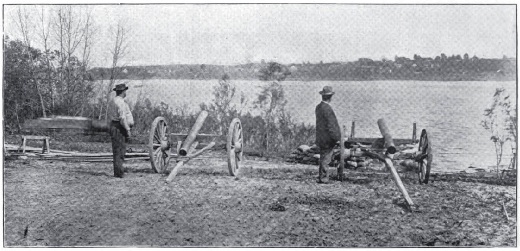
The Newburgh Raid was a successful raid by Confederate partisans on Newburgh, Indiana, on July 18, 1862, making it the first town in a northern state to be captured during the American Civil War. Confederate colonel Adam Rankin Johnson led the raid by using a force of only about 35 men he had recruited from nearby Henderson, Kentucky. They confiscated supplies and ammunition without a shot being fired by tricking Newburgh's defenders into thinking the town was surrounded by cannons. In reality, the so-called cannons were an assemblage of a stove pipe, a charred log, and wagon wheels, forever giving the Confederate commander the nickname of Adam "Stovepipe" Johnson.
The raid convinced the federal government to supply Indiana with a permanent force of regular Union Army soldiers to counter future raids and proved to be a significant boost for Union recruiting in Indiana.
Using the language of the 1862 Confederate Partisan Ranger Act, Johnson pictured himself in a book he wrote later in life as part of a military force operating in an irregular manner under the authority of such superiors as General Nathan Bedford Forrest and General John C. Breckinridge. Yet at the time of the raid, Johnson's own account suggests he had no formal appointment as an officer, wore no uniform, and commanded a hastily assembled body of civilians—more guerrillas than soldiers. Union authorities certainly viewed him as little or nothing more than a brigand, and later rejected the authority of the paroles he had issued to his eighty prisoners.
However, Johnson was not without some experience and authority. Prior to the raid he served as a scout for Gen. Forrest, just missing the Battle of Shiloh in April 1862, in south-central Tennessee, rejoining Forrest at the Confederate base of operations in Corinth, Mississippi. Johnson was ordered by Forrest to go to Henderson, Kentucky, to give a secret message to Mr. D. R. Burbank, a former employer of Johnson's. Just before launching the raid, Johnson's partisans camped at the Soaper Farm in Henderson. With thirty-five men by Johnson's later count (other counts say 32), formed by combining three-man guards for Breckinridge with recruits from Kentucky, Johnson formed a group of partisan rangers that would engage in guerrilla warfare.
Johnson and his men crossed the Ohio River on 18 July 1862. Johnson and two subordinates, Felix Akin and Frank A. Owen, shared one boat and the rest of the force crossed via a flatboat. Prior to crossing, Johnson strategically placed two "Quaker Guns", actually made of stovepipes, charred logs, and the axles and wheels from a broken wagon, on hills that had a view of Newburgh, and vice versa. Johnson was unable to find enough firearms for all of his force, but was able to acquire enough horses for each man to receive a mount. Johnson allowed each of his men to decline to join him on the raid, but to a man they all wanted to accompany him.
In Newburgh the local Indiana Legion was commanded by Union Bethell, who had previously enjoyed limited success in raising and training a local company of that state militia. Accordingly, he stored the weapons provided for them in his own unguarded riverfront warehouse, a tobacco warehouse that also held 75 loose sabers and 130 pistol/holster sets. The only defenders available for Newburgh were eighty soldiers convalescing at a makeshift hospital that was the Exchange Hotel. This hospital was itself a tempting prize for Johnson because it had medical supplies, commissary items, and arms for 200 soldiers that were meant for two future companies of the Indiana Legion; all of which Johnson's forces needed. When Johnson opened the door to the hotel, he was immediately aimed at by Union rifles, but quickly informed the Union soldiers that they were surrounded and had no hope for success.
When the raiders struck, Bethell was lunching and arrived on the scene in civilian attire. When he arrived at the hotel he refrained from more than verbal protests after Johnson pointed out two cannons placed across the river — cannons that were actually the fake dummies made from a blackened log and the piece of stovepipe that gave Johnson his subsequent nickname. Johnson said to Bethel he would "shell this town to the ground" if resistance was made.
Fifteen miles away in Evansville, Indiana, five companies of the Indiana Legion were being raised, but would not be available to defend Newburgh until after the Confederates withdrew. Through chance rather than Confederate action, the telegraph line from Newburgh to Evansville was not in operation. Word of Johnson's incursion thus took extra hours to reach state and federal military authorities. After securing the items he desired, Johnson paroled the captured Union officers and soldiers, and returned to the Kentucky soil. Newburgh had become the first town in a Northern state to be captured.
Hub AI
Newburgh Raid AI simulator
(@Newburgh Raid_simulator)
Newburgh Raid
The Newburgh Raid was a successful raid by Confederate partisans on Newburgh, Indiana, on July 18, 1862, making it the first town in a northern state to be captured during the American Civil War. Confederate colonel Adam Rankin Johnson led the raid by using a force of only about 35 men he had recruited from nearby Henderson, Kentucky. They confiscated supplies and ammunition without a shot being fired by tricking Newburgh's defenders into thinking the town was surrounded by cannons. In reality, the so-called cannons were an assemblage of a stove pipe, a charred log, and wagon wheels, forever giving the Confederate commander the nickname of Adam "Stovepipe" Johnson.
The raid convinced the federal government to supply Indiana with a permanent force of regular Union Army soldiers to counter future raids and proved to be a significant boost for Union recruiting in Indiana.
Using the language of the 1862 Confederate Partisan Ranger Act, Johnson pictured himself in a book he wrote later in life as part of a military force operating in an irregular manner under the authority of such superiors as General Nathan Bedford Forrest and General John C. Breckinridge. Yet at the time of the raid, Johnson's own account suggests he had no formal appointment as an officer, wore no uniform, and commanded a hastily assembled body of civilians—more guerrillas than soldiers. Union authorities certainly viewed him as little or nothing more than a brigand, and later rejected the authority of the paroles he had issued to his eighty prisoners.
However, Johnson was not without some experience and authority. Prior to the raid he served as a scout for Gen. Forrest, just missing the Battle of Shiloh in April 1862, in south-central Tennessee, rejoining Forrest at the Confederate base of operations in Corinth, Mississippi. Johnson was ordered by Forrest to go to Henderson, Kentucky, to give a secret message to Mr. D. R. Burbank, a former employer of Johnson's. Just before launching the raid, Johnson's partisans camped at the Soaper Farm in Henderson. With thirty-five men by Johnson's later count (other counts say 32), formed by combining three-man guards for Breckinridge with recruits from Kentucky, Johnson formed a group of partisan rangers that would engage in guerrilla warfare.
Johnson and his men crossed the Ohio River on 18 July 1862. Johnson and two subordinates, Felix Akin and Frank A. Owen, shared one boat and the rest of the force crossed via a flatboat. Prior to crossing, Johnson strategically placed two "Quaker Guns", actually made of stovepipes, charred logs, and the axles and wheels from a broken wagon, on hills that had a view of Newburgh, and vice versa. Johnson was unable to find enough firearms for all of his force, but was able to acquire enough horses for each man to receive a mount. Johnson allowed each of his men to decline to join him on the raid, but to a man they all wanted to accompany him.
In Newburgh the local Indiana Legion was commanded by Union Bethell, who had previously enjoyed limited success in raising and training a local company of that state militia. Accordingly, he stored the weapons provided for them in his own unguarded riverfront warehouse, a tobacco warehouse that also held 75 loose sabers and 130 pistol/holster sets. The only defenders available for Newburgh were eighty soldiers convalescing at a makeshift hospital that was the Exchange Hotel. This hospital was itself a tempting prize for Johnson because it had medical supplies, commissary items, and arms for 200 soldiers that were meant for two future companies of the Indiana Legion; all of which Johnson's forces needed. When Johnson opened the door to the hotel, he was immediately aimed at by Union rifles, but quickly informed the Union soldiers that they were surrounded and had no hope for success.
When the raiders struck, Bethell was lunching and arrived on the scene in civilian attire. When he arrived at the hotel he refrained from more than verbal protests after Johnson pointed out two cannons placed across the river — cannons that were actually the fake dummies made from a blackened log and the piece of stovepipe that gave Johnson his subsequent nickname. Johnson said to Bethel he would "shell this town to the ground" if resistance was made.
Fifteen miles away in Evansville, Indiana, five companies of the Indiana Legion were being raised, but would not be available to defend Newburgh until after the Confederates withdrew. Through chance rather than Confederate action, the telegraph line from Newburgh to Evansville was not in operation. Word of Johnson's incursion thus took extra hours to reach state and federal military authorities. After securing the items he desired, Johnson paroled the captured Union officers and soldiers, and returned to the Kentucky soil. Newburgh had become the first town in a Northern state to be captured.
Recent media